
Lawn, Home & Garden
Niagara Grape Maintenance: How to Grow, Prune, and Care for Healthy Vines
Learn how to care for Niagara grape vines with simple maintenance tips for pruning, watering, trellising, fertilizing, harvesting, and preventing common grape problems.
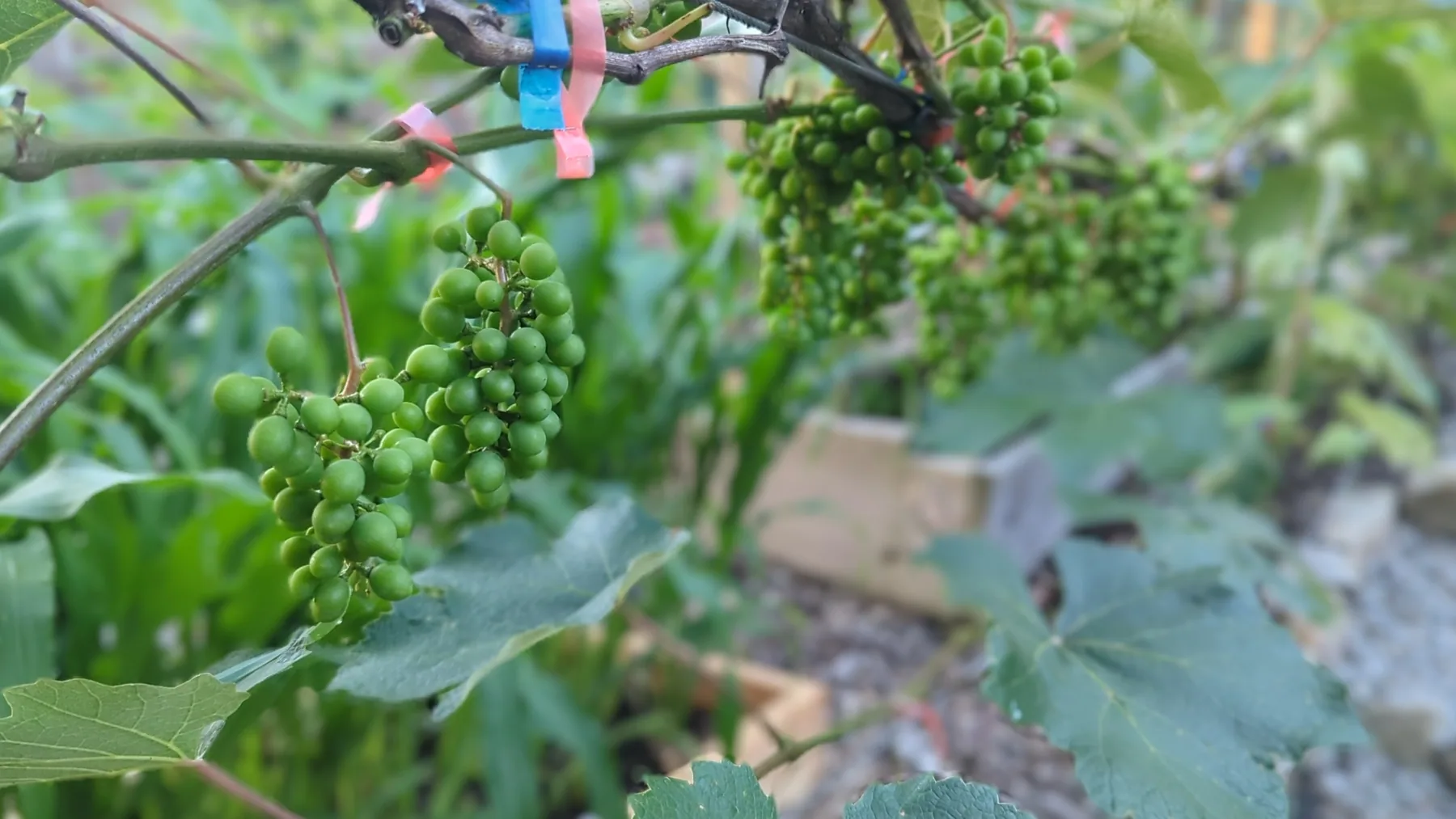
Niagara Grape Maintenance: A Simple Care Guide for Healthy Vines
Niagara grapes are one of the most recognizable green grapes grown in home gardens. They are sweet, aromatic, and often used for fresh eating, juice, jelly, and backyard grape arbors. Like most grapevines, Niagara grapes are not difficult to grow, but they do need consistent maintenance to stay productive.
The key to a healthy Niagara grapevine is simple: give it sun, airflow, strong support, and regular pruning. Grapes produce fruit on new shoots that grow from one-year-old wood, so annual pruning is one of the most important jobs for keeping vines productive.
Where Niagara Grapes Grow Best
Niagara grapes perform best in a sunny location with well-drained soil. A full-sun site helps the vine produce better fruit and reduces disease pressure by drying foliage faster after rain. Avoid low, soggy spots where water collects around the roots, because wet conditions can encourage disease problems.
For best results, plant Niagara grapes where they have at least 6 hours of direct sun daily, good air circulation, well-drained soil, a sturdy trellis or arbor, and enough space to spread without crowding nearby plants.
Watering Niagara Grapes
Young grapevines need steady moisture while they establish. Keep the root zone evenly moist, especially during dry spells in the first year or two. Once established, mature vines usually need less frequent watering unless the weather is very dry or the soil is sandy.
Water at the base of the plant instead of spraying the leaves. Wet grape foliage can encourage disease, so drip irrigation, a soaker hose, or careful hand watering is better than overhead sprinklers.
Fertilizing Niagara Grapes
Grapevines do not usually need heavy fertilizer. In fact, too much nitrogen can create lots of leafy growth at the expense of fruit. Before adding fertilizer, it is best to use a soil test so you know what the vine actually needs.
A light spring feeding may help young vines, but established Niagara grapes often do well with compost, mulch, and balanced soil care. If the vine is growing strongly and producing healthy leaves, it may not need much additional fertilizer.
Training Niagara Grapes on a Trellis
Niagara grapes need support. A trellis keeps the vine organized, improves airflow, makes pruning easier, and keeps fruit off the ground. During the first few years, the goal is to develop a strong permanent trunk and main arms that can support fruiting canes each season.
Do not let a young grapevine sprawl across the ground. Tie the main stem gently to a stake or trellis post and guide new growth as it develops. Soft plant ties work well because they hold the vine without cutting into the stem.
How to Prune Niagara Grapes
Prune Niagara grapes during dormancy, usually in late winter or very early spring before new growth begins. Dormant pruning helps control the size of the vine and encourages healthy fruiting wood for the coming season.
A common mistake is not pruning enough. Grapevines are vigorous, and an unpruned vine can become a tangled mass of leaves and old wood. Heavy shade inside the canopy reduces fruit quality and increases disease risk.
Start by removing dead, damaged, weak, or diseased wood. Then cut away old, unproductive canes and keep healthy one-year-old canes for fruiting. Thin crowded growth so sunlight and air can reach the fruiting zone, then tie selected canes securely to the trellis.
For home gardeners, the goal is not perfection. The goal is to keep the vine open, manageable, and renewed each year.
Summer Maintenance
During the growing season, check the vine regularly. Remove unwanted shoots from the trunk, guide new growth along the trellis, and thin overly dense areas if the canopy becomes crowded.
Good airflow is especially important for grapes. Dense foliage traps humidity, and humid conditions can lead to fungal disease. Light leaf removal around the fruiting zone can improve sunlight penetration and air movement, but avoid stripping too many leaves because the vine still needs foliage to feed the fruit.
Common Niagara Grape Problems
Niagara grapes can be affected by common grape issues such as powdery mildew, black rot, downy mildew, insects, birds, and poor fruit set. Many problems are easier to prevent than fix.
The best prevention starts with good maintenance. Prune every year, avoid wetting the leaves, keep weeds and tall grass away from the base, remove fallen fruit and diseased leaves, harvest ripe grapes promptly, and use netting if birds become a problem.
If leaves become spotted, distorted, or covered with mildew, identify the problem before treating. Different grape problems require different solutions, and using the wrong treatment can waste time or damage the plant.
When to Harvest Niagara Grapes
Niagara grapes should ripen fully on the vine. Grapes do not continue to improve in sweetness after picking, so taste is one of the best harvest tests. Look for full color, plump fruit, good flavor, and clusters that separate easily with pruners.
Harvest time depends on your climate and seasonal weather, but many home grape varieties ripen from late summer into early fall. Pick clusters gently and refrigerate them soon after harvest if you are not using them right away.
Seasonal Niagara Grape Maintenance Checklist
Late Winter / Early Spring
Prune dormant vines, repair trellis wires, remove dead wood, and clean up old plant debris around the base of the vine.
Spring
Watch for new growth, tie shoots to the trellis, mulch lightly, and water young vines during dry periods.
Summer
Manage canopy growth, improve airflow, monitor pests and disease, and water during drought.
Late Summer / Fall
Taste-test grapes for ripeness, harvest clusters, clean up fallen fruit, and remove diseased leaves from the garden area.
Winter
Inspect the structure of the vine and plan pruning cuts for the next dormant season.
Final Thoughts
Niagara grapes are rewarding vines for a home garden, but they need structure and yearly attention. With full sun, a strong trellis, careful watering, and regular dormant pruning, a Niagara grapevine can stay healthy, attractive, and productive for years.
The most important maintenance habit is pruning. Keep the vine open, remove old wood, and encourage strong new growth. A well-maintained Niagara grapevine will reward you with beautiful clusters and that classic sweet grape flavor.
Community
Comments
Join the conversation.
Log in to comment and earn reward points for site engagement.
Log in to commentHeather Ferreira
Jun 26, 2026
These grapes looks awesome.