
Can One Wood Stove Heat ALL My Greenhouses?!
Explore the practicality of using a wood stove to heat multiple greenhouses. Learn about setup, efficiency, and the benefits of this heating method.


At a glance
Key Takeaways
Cost-Effective Heating
Using a wood stove can significantly reduce heating costs compared to electric or gas options.
Sustainability
Wood stoves utilize a renewable resource, making them an eco-friendly choice.
Heat Distribution
Proper setup and ventilation can ensure even heat distribution across multiple greenhouses.
Independence from Electricity
Wood stoves provide a reliable heating solution that does not depend on electricity, making them ideal for remote locations.
As winter approaches, greenhouse owners often face the challenge of maintaining optimal temperatures for their plants. A common question arises: can one wood stove efficiently heat multiple greenhouses? In this article, we will explore the feasibility, advantages, and considerations of using a wood stove as a primary heating source for your greenhouses.
Understanding Greenhouse Heating Needs
Greenhouses are designed to create a controlled environment for plants, but they can also be susceptible to extreme temperatures. Understanding the heating requirements of your greenhouses is crucial. Factors such as:
- Size of the greenhouse: The larger the space, the more heat is needed. Measure the cubic footage of your greenhouses to determine the heating capacity required.
- Insulation quality: Well-insulated greenhouses retain heat more effectively. Consider the materials used for the structure and any additional insulation that can be added.
- Plant types and their temperature needs: Different plants have varying temperature requirements. Knowing the ideal temperatures for your plants can help you gauge how much heat you need.
- Local climate conditions: The climate in your region will impact the amount of heating necessary, especially during the coldest months.
These factors will influence how much heat is required to maintain a suitable growing environment. For instance, a small greenhouse in a milder climate may only need a modest amount of heat, while a large greenhouse in an area with severe winters will require a more robust heating solution.
The Benefits of Using a Wood Stove
Using a wood stove to heat your greenhouses has several advantages:
- Cost-Effective: Once installed, wood stoves can provide a low-cost heating solution, especially if you have access to free or low-cost firewood. This is particularly beneficial for gardeners looking to minimize operational expenses during the winter months.
- Environmentally Friendly: Wood is a renewable resource, making wood stoves a more sustainable heating option compared to fossil fuels. By utilizing wood, you contribute to a lower carbon footprint, especially if sourcing from sustainably managed forests.
- Consistent Heat: Wood stoves can produce a steady amount of heat, which can be beneficial for maintaining a constant temperature in your greenhouses. This consistency is crucial for preventing temperature fluctuations that can stress plants.
- Independence from Grid Power: In areas where electricity is unreliable or expensive, a wood stove provides a reliable heating source that does not depend on the electrical grid. This independence can be invaluable during power outages or in remote locations.
Overall, the use of a wood stove can enhance the resilience of your greenhouse operation, ensuring that your plants thrive regardless of external conditions.
How to Set Up a Wood Stove for Multiple Greenhouses
Setting up a wood stove to heat multiple greenhouses requires careful planning. Here are the main steps to consider:
- Choose the Right Stove: Select a wood stove with adequate heating capacity based on the total cubic footage of the greenhouses you intend to heat. Look for stoves with adjustable output settings to accommodate varying temperature needs throughout the season.
- Ventilation: Proper ventilation is essential to ensure that smoke and gases are safely expelled. Install a chimney or flue that meets local regulations. Ensure that the flue is correctly sized and installed to promote efficient draft and minimize smoke backflow.
- Insulation: Ensure that your greenhouses are well-insulated to retain heat. This can include using thermal curtains or insulating materials on the walls. Consider adding double-layer plastics or bubble wrap to enhance insulation and reduce heat loss.
- Heat Distribution: Consider using fans or ducting to distribute heat evenly across the greenhouses. This will help avoid hot and cold spots. You can install inline fans or use convection methods to circulate warm air efficiently.
- Safety Measures: Install smoke detectors and a carbon monoxide detector in and around your greenhouse. Ensure that fire extinguishers are readily available, and educate all users about fire safety protocols when operating the wood stove.
By following these steps, you can create an effective heating system that maximizes the benefits of using a wood stove while minimizing risks and inefficiencies.
Common Mistakes and Troubleshooting
When using a wood stove, it's important to avoid common pitfalls:
- Underestimating Heat Needs: Ensure that the stove's capacity matches the heating requirements of your greenhouses. A stove that is too small will struggle to maintain the desired temperatures, while an oversized stove can lead to overheating and wasted fuel.
- Poor Ventilation: Inadequate ventilation can lead to smoke buildup, which is dangerous. Always prioritize safety by ensuring good airflow. Regularly check and clean the chimney to prevent blockages that can impede proper ventilation.
- Neglecting Regular Maintenance: Regularly clean the stove and chimney to prevent creosote buildup, which can be a fire hazard. Schedule routine inspections to ensure all components are functioning correctly and efficiently.
- Ignoring Local Regulations: Be aware of local building codes and regulations regarding the installation of wood stoves. Failure to comply can result in fines or the need to remove the stove.
- Failing to Monitor Temperature: Use thermometers to keep track of the temperature within the greenhouses. This will allow you to make necessary adjustments to the wood stove or ventilation to maintain optimal conditions for your plants.
By being aware of these common mistakes, you can set yourself up for success and create a safe, efficient heating environment for your greenhouses.
Conclusion
Using a wood stove to heat multiple greenhouses can be a practical and cost-effective solution if done correctly. By understanding your heating needs, selecting the right equipment, and ensuring proper setup and maintenance, you can create a warm and inviting environment for your plants even during the coldest months. With careful planning and consideration of the factors discussed in this article, you can ensure that your greenhouses remain productive year-round.
FAQs
- Can a wood stove heat multiple greenhouses?
Yes, with proper planning and setup, a wood stove can effectively heat multiple greenhouses. The key is to ensure that the stove is appropriately sized and that heat distribution methods are in place. - What type of wood stove is best for greenhouses?
Choose a stove with adequate capacity and features suitable for heating larger spaces. Look for models that allow for adjustable heat output and have a good reputation for efficiency. - How can I ensure even heat distribution?
Consider using fans or duct systems to circulate warm air throughout the greenhouses. This can help mitigate temperature variations and ensure that all plants receive adequate warmth. - What safety measures should I take when using a wood stove?
Install smoke and carbon monoxide detectors, have fire extinguishers on hand, and ensure proper ventilation to minimize risks associated with wood stove usage. - How often should I maintain my wood stove?
Regular maintenance is essential. Clean the stove and chimney at least once a year, and check for any wear and tear on components to ensure safe operation.
Photos from this idea
Helpful products for this project
These products were matched to the materials, tools, and care steps discussed in the article.
- Amazon - View Product: Amazon
- Happybuy Hot Water Recirculating Pump, 93W 110V Water Circulator Circulating Pump NPT 3/4" w/Brass Fittings, 3-speed Control Recirculation 9.5 Gpm RS15-6 for Electric Water Heater System - View Product: Main Parameter: The hot water circulation pump features NPT 3/4 inch (19.05 mm) inlet/outlet. Voltage/Frequency:...
Source: Watch the original YouTube Short.
Frequently Asked Questions
Yes, with proper planning and setup, a wood stove can effectively heat multiple greenhouses. The key is to ensure that the stove is appropriately sized and that heat distribution methods are in place.
Choose a stove with adequate capacity and features suitable for heating larger spaces. Look for models that allow for adjustable heat output and have a good reputation for efficiency.
Consider using fans or duct systems to circulate warm air throughout the greenhouses. This can help mitigate temperature variations and ensure that all plants receive adequate warmth.
Install smoke and carbon monoxide detectors, have fire extinguishers on hand, and ensure proper ventilation to minimize risks associated with wood stove usage.
Regular maintenance is essential. Clean the stove and chimney at least once a year, and check for any wear and tear on components to ensure safe operation.
Keep exploring
Explore More Gardening Tips
Visit our blog for more insights on greenhouse management and winter gardening strategies.Read More
Shop this guide
Affiliate Picks
Tools & supplies I use and recommend

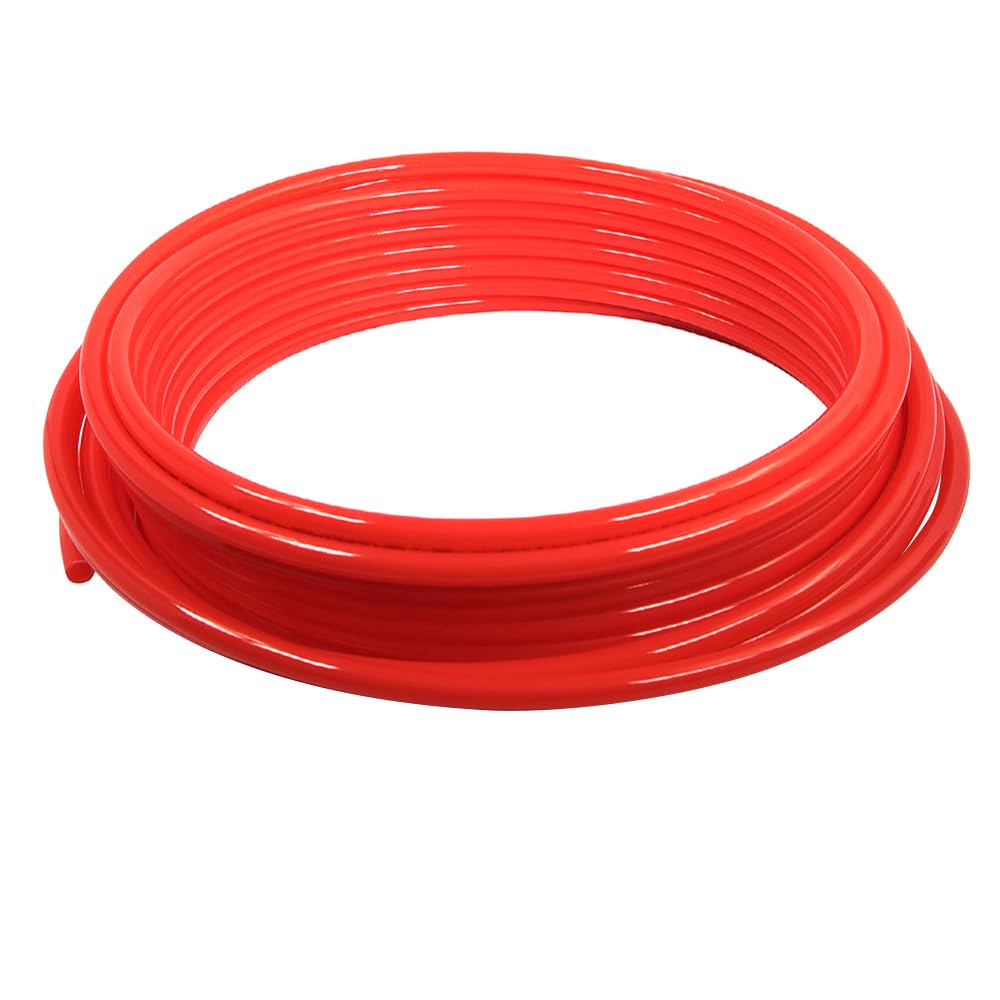
As an affiliate, junecity.studio may earn from qualifying purchases at no additional cost to you.
Keep growing
Suggested reading

How I Heat My Greenhouse Without Electricity in Connecticut!
Winter in Connecticut demands practical solutions for greenhouse heating. Discover how to keep your greenhouse warm without relying on electricity, using efficient gas heaters, ventilation techniques, and best practices.

Protecting Your Banana Trees: Winter Care Tips
Learn how to protect your banana trees from harsh winter conditions with practical tips and techniques for effective winter care.
0 comments
Comments (0)
We love hearing from our community. Share your thoughts, questions, or experience.
Have something to add?
Log in to post, react, share images, and join threads.
Newest First
All Comments
Showing 0-0 of 0
Start the conversation.
Questions and first-hand experience are welcome here.