
Did My Garden Survive the Storm? 🌪️🍐
After the storm passed, it’s essential to assess your garden for any damage and evaluate which plants thrived and which didn’t. Here’s how to check your garden's health post-storm.
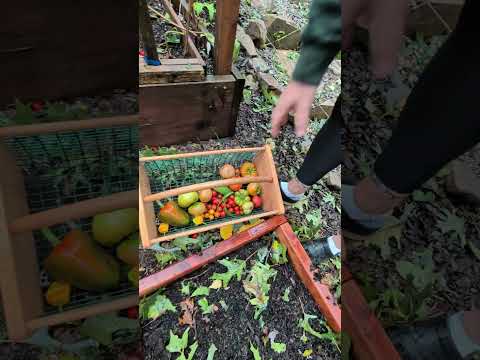

At a glance
Key Takeaways

Assessing Damage
Conduct a thorough walk-through to identify any damaged plants and debris.

Resilient Plants
Certain fruit trees and perennials are known to withstand storms well.

Post-Storm Care
Prune damaged parts and monitor for pests to help plants recover.

Long-Term Strategies
Implement diversity in plant selection and soil health management for future resilience.
As the storm clouds clear and the winds die down, garden enthusiasts often find themselves wondering: did my garden survive the storm? The aftermath of severe weather can leave your beloved plants in various states of health, and knowing how to assess and care for them is crucial. In this guide, we will explore how to evaluate your garden's condition, which plants may have survived, and what steps to take next to ensure their recovery.
Why Assessing Your Garden After a Storm Is Important
Storms can cause significant damage to plants, uproot younger seedlings, and create conditions that foster disease. Timely assessment allows you to take action to save what you can and mitigate further losses. Understanding the storm’s impact on your garden can also inform your future planting choices. By taking the time to evaluate your garden after a storm, you can make informed decisions that will help you preserve your plants and improve your overall gardening strategy.
Initial Walk-Through
Start with a gentle walk through your garden. Look for:
- Uprooted Plants: Check for any plants that have been knocked over. If they are still in good condition, you may be able to replant them. Gently lift them back into the soil, ensuring that the roots are covered and the plant is stable.
- Broken Branches: Identify any branches that have broken off larger plants or trees. Prune these areas to promote healthy regrowth. Use clean, sharp pruning shears to make clean cuts, which will help prevent disease entry.
- Debris: Clear away any fallen branches or debris that may smother smaller plants. This is also a good time to check for any trash or foreign objects that may have blown into your garden during the storm.
Assessing Plant Health
After your initial walk-through, it’s time to assess the health of your plants:
- Check Leaves: Look for signs of damage on the leaves, such as tearing or browning. Some plants may have lost leaves entirely but can still survive. If the leaf damage is extensive, consider removing the affected leaves to allow the plant to focus its energy on new growth.
- Inspect Roots: If a plant has been uprooted, check the root system. Healthy roots should be firm and white. If they appear brown and mushy, the plant may not recover. You can also replant the plant deeper in the soil to encourage new root growth.
- Look for New Growth: In some cases, plants may show signs of new growth even after a storm, indicating resilience. New shoots or leaves are a good sign that the plant is starting to bounce back.
Common Plants That Survive Storms
Some plants are more resilient to storm damage than others. Here are a few that often bounce back:
- Fruit Trees: Pears and apples, like those in our garden, often withstand strong winds. Their deep root systems help anchor them firmly in the ground, making them less likely to topple.
- Grapevines: These can be surprisingly resilient, especially if well-established. Their flexible stems allow them to bend rather than break in high winds.
- Perennials: Many perennials can endure rough weather conditions and regrow in the following seasons. Plants like coneflowers and daylilies are known for their hardiness.
- Native Plants: Many native plants are adapted to local weather conditions and can withstand storms better than non-native varieties.
Steps to Take After the Storm
After assessing the damage, follow these steps to help your garden recover:
- Prune Damaged Areas: Carefully prune any broken or damaged branches to prevent disease. If the damage is extensive, consider consulting with a local gardening expert or arborist for further advice.
- Water Wisely: After a storm, the soil may be saturated. Allow it to dry before watering again. Overwatering can lead to root rot, which is detrimental to struggling plants.
- Fertilize Judiciously: If your plants look particularly stressed, consider a light application of fertilizer to encourage recovery. Opt for organic fertilizers that promote overall soil health.
- Monitor for Pests: Storms can displace pests. Keep an eye out for any infestations that may arise. Use organic pest control methods whenever possible to protect your plants.
- Plan for Future Storms: Consider planting more resilient varieties or reinforcing existing plants with stakes or supports. This might involve using trellises for climbing plants or staking taller plants to prevent them from being blown over in future storms.
Common Mistakes to Avoid
When assessing and caring for your garden post-storm, avoid these common pitfalls:
- Rushing to Replant: Give your plants time to recover before replanting or making significant changes. This allows you to accurately assess what survived and what did not.
- Over-Watering: Many plants may be prone to root rot after a storm, so avoid over-watering. Check the moisture level of the soil before adding more water.
- Neglecting Soil Health: Test soil quality, as heavy rains can wash away important nutrients. Consider adding organic matter to improve soil structure and nutrient content.
Next Steps for Recovery
Post-storm recovery is a process that requires patience and vigilance. Regularly monitor your garden for signs of stress or recovery, and adjust your care routine as necessary. With proper attention, your garden can thrive once again.
Consider keeping a gardening journal to track your garden's progress after the storm. Documenting the changes will help you identify what works and what doesn’t, making you a more effective gardener in the long run.
Long-Term Strategies for Resilience
In addition to immediate recovery steps, consider implementing long-term strategies to enhance your garden's resilience against future storms:
- Diversity in Plant Selection: Planting a diverse range of species can enhance your garden's resilience. Different plants have varying levels of tolerance to wind and water, which can help stabilize the ecosystem.
- Soil Health Management: Regularly amend your soil with organic matter to improve its structure and drainage. Healthy soil supports robust plant growth, making them more resilient to stress.
- Windbreaks: Plant hedges or trees as windbreaks to protect more vulnerable plants from the full force of storm winds. Position these strategic barriers around your garden to create a sheltered microclimate.
- Regular Maintenance: Keep up with regular maintenance tasks such as pruning, weeding, and mulching. Healthy plants are more likely to withstand adverse weather conditions.
Conclusion
Assessing your garden after a storm is a vital step in ensuring the health and longevity of your plants. By taking the time to evaluate damage, care for your plants, and implement strategies for future resilience, you can not only recover from the storm but also enhance your garden's overall health. Remember, storms may test your garden, but with care and commitment, it can emerge stronger than before!
Photos from this idea
Helpful products for this project
These products were matched to the materials, tools, and care steps discussed in the article.
- Just Good Soil Essential Nutrient Protocol - 3-Step Soil Food System for Organic & Regenerative Gardening, Organic Plant Food & Soil Enhancer for Home Gardening - Sprout_01, Rise_02 & Replenish_03 - View Product: COMPLETE 3-STEP SOIL FOOD SYSTEM: Includes Sprout_01 Soil Life Kickstarter...
- Plant Cleaning Wipes by Southside Plants - Gentle, Plant-Based Wipes for Shiny Leaves and Better Photosynthesis - Unscented, Extra Thick Waffle Weave Leaf Wipe for Indoor & Outdoor Plants - 80 Ct - View Product: Clean Leaves for Healthy, Happy Plants & Air - Removing dust, dirt, pollution, and...
- FANDAMEI 300 PCS Plant Support Clips, Plastic Garden Plant Ties, Tomato Clips Trellis for Tomato Cucumber Flower Squash Vine, 1” Inner Diameter for Climbing Plants - View Product: Large Quantity & High Quality Tomato Clips: Total 300 pcs plant support clips...
- HQAUT 10/8/6/5 Inch Large Clear Nursery Pots with Drainage Holes, 16 Pack Gallon Clear Plastic Pots for Plants, Seedling Starter Pot, Garden Plant Pots for Succulents Flowers - View Product: Variety Pack Nursery Pots : You will get 5/6/8/10 inch plant pots (4 of each...
- BN-LINK Durable Seedling Heat Mat for Seed Starting 10" x 20.75", Waterproof Warming Mat Plant Heating Pad for Seed Germination, Indoor Growing, Hydroponic, Greenhouse, ETL Listed - View Product: IDEAL GERMINATION TEMPERATURE: The BN-LINK seedling heat mat helps maintain...
Source: Watch the original YouTube Short.
Keep exploring
Want More Gardening Tips?
Explore our detailed guides and resources to keep your garden thriving.Visit Our Blog
Keep growing
Suggested reading

My 5-Foot Squash Tree Is Still Loaded!
Discover the secrets to growing a thriving squash tree that keeps producing even as the garden slows down. Learn how to maximize growth and yield while troubleshooting common issues.

Find the Clues. Win the Lemon Tree. 🍋
Join the Junecity.studio Treasure Hunt and learn how to care for your very own Meyer lemon seedling. Discover tips, tricks, and the best practices to grow and nurture this delightful citrus tree!
0 comments
Comments (0)
We love hearing from our community. Share your thoughts, questions, or experience.
Have something to add?
Log in to post, react, share images, and join threads.
Newest First
All Comments
Showing 0-0 of 0
Start the conversation.
Questions and first-hand experience are welcome here.