
Do You Really Need Pressure-Treated Wood?
Explore the intricacies of pressure-treated wood and understand when it's necessary for your gardening and DIY projects. This guide covers alternatives, benefits, and practical advice based on real-world experiences.


At a glance
Key Takeaways

Longevity
Pressure-treated wood can last for decades, making it a cost-effective choice for outdoor projects.

Pest Resistance
The chemicals in pressure-treated wood deter insects, providing a longer lifespan for your structures.

Common Mistakes
Avoid assuming all wood is suitable for outdoor use; choose based on your specific needs.
Introduction
When embarking on garden and DIY projects, one common question arises: do you really need pressure-treated wood? This guide delves into the pros and cons of using pressure-treated wood, exploring when it's essential and when alternatives may suffice. Understanding the nuances of this material can help you make informed decisions that not only benefit your projects but also protect your health and the environment.
What is Pressure-Treated Wood?
Pressure-treated wood is lumber that has been treated with chemical preservatives to protect it from rot, insects, and decay. This treatment process involves placing the wood in a chamber and applying high pressure to force preservatives deep into the fibers. The result is a durable material that's ideal for outdoor applications, particularly those in contact with soil or moisture.
Benefits of Pressure-Treated Wood
- Longevity: Pressure-treated wood can last for decades, making it a cost-effective choice for projects like decks, fences, and garden beds.
- Resistance to Pests: The chemicals used in the treatment process deter insects such as termites, which can wreak havoc on untreated wood.
- Protection Against Rot: This type of wood is less susceptible to decay, which is crucial for structures exposed to the elements.
When is Pressure-Treated Wood Necessary?
While pressure-treated wood has its advantages, not every project requires it. Here are some scenarios where pressure-treated wood is the best choice:
Ground Contact Projects
Any structure that will be in direct contact with the ground, such as fence posts, deck supports, or garden beds, should be made with pressure-treated wood. The chemicals help prevent rot from moisture exposure. For instance, if you are building a raised garden bed, using pressure-treated wood can significantly extend the life of your structure, allowing it to withstand the elements and remain functional for years to come.
High Moisture Areas
Areas that experience a lot of moisture or humidity, such as coastal regions or areas with heavy rainfall, will benefit from pressure-treated wood due to its resistance to decay. In these environments, untreated wood can quickly rot, leading to structural failures. For example, if you live in a region prone to heavy rains, using pressure-treated wood for your outdoor projects can save you from frequent repairs and replacements.
Alternatives to Pressure-Treated Wood
For projects that don't require the durability of pressure-treated wood, consider these alternatives:
Untreated Wood
For structures that won't be exposed to moisture, such as indoor furniture or decorative elements, untreated wood can be a viable option. It’s more environmentally friendly and safer for plants if you’re using it in a garden setting. When using untreated wood, consider applying a natural oil finish or a non-toxic sealant to enhance its durability while maintaining its safety for plants and soil.
Cedar and Redwood
These naturally rot-resistant woods are excellent alternatives for outdoor projects. They don't require chemical treatment and can last many years with proper care. Cedar, in particular, has natural oils that repel insects and decay, making it a great choice for garden beds and outdoor furniture. However, both cedar and redwood can be more expensive than pressure-treated options, so consider your budget when making a choice.
Common Mistakes and Troubleshooting
When selecting wood for your projects, avoid these common mistakes:
- Assuming All Wood is Created Equal: Not all wood types are suitable for outdoor use; be sure to choose the right type based on your project needs. For example, using pine for outdoor furniture without treatment can lead to rapid deterioration.
- Ignoring Local Regulations: Some areas have restrictions on the use of pressure-treated wood due to health concerns. Always check your local regulations to avoid penalties and ensure compliance.
- Neglecting Maintenance: Even pressure-treated wood requires maintenance. Regular sealing and staining can extend its life. Create a maintenance schedule that includes inspections and treatments to preserve the integrity of your structures.
Conclusion
Understanding the role of pressure-treated wood in your gardening and DIY projects is crucial for making informed decisions. While it offers significant benefits in durability and pest resistance, alternatives exist that may be better suited for specific applications. Whether you choose pressure-treated wood or an alternative, always prioritize safety and environmental considerations in your projects. Remember that the right choice can enhance the longevity of your work and contribute to a healthier garden environment.
Frequently Asked Questions
1. Can pressure-treated wood be used for vegetable gardens?
While pressure-treated wood is safe for certain applications, it's important to note that the chemicals can leach into the soil. If you're concerned about chemical exposure, consider using untreated wood or naturally rot-resistant varieties like cedar or redwood for your vegetable garden beds.
2. How long does pressure-treated wood last?
With proper care, pressure-treated wood can last anywhere from 20 to 40 years, depending on its use and the environment. Regular maintenance, such as sealing and staining, can significantly extend its lifespan.
3. Is pressure-treated wood safe for children’s playsets?
Yes, pressure-treated wood is commonly used for outdoor structures like playsets due to its durability. However, ensure that the wood is fully dried before assembly to minimize chemical leaching. Regular inspections and maintenance will also help keep the structure safe for children.
Photos from this idea
Helpful products for this project
These products were matched to the materials, tools, and care steps discussed in the article.
- 4-in-1 Soil Moisture Meter Digital Plant Temperature/Soil Moisture/PH Meter/Sunlight Intensity Backlight LCD Display Soil Test Meter for Gardening, Farming and Outdoor Plants - View Product: 【4 in 1 function】This is a 4-in-1 multifunctional soil tester.Our soil tester fastly to measure soil moisture, pH,...
- MEPEREZ Premium Pruning Shears For Gardening, Work 3 Times Easier, Pruners Heady Duty, Sharp Garden Clippers Cuting Florist Flower, Hedge, Herb, Rose, Indoor Live Plants, Arthritis Weak Hand Snips - View Product: 🎁STRONG CONSTRUCTION, DURABLE, SHARP FOR A LONG TIME: Made of premium materials with higher quality, this pair of...
- AggFencer Hardware Cloth 1/2 inch 48 x 100ft Chicken Wire Fencing, Hot-Dipped Galvanized After Welding Garden Plant Supports Welded Metal Chicken Wire Poultry Animal Netting Cage Screen - View Product: High quality raw materials: Our hardware cloth chooses the strength, toughness and ductility of low carbon steel...
Source: Watch the original YouTube Short.
Keep exploring
Ready to Start Your Project?
Explore our curated selection of tools and materials to make your next gardening or DIY project a success!Shop NowShop this guide
Affiliate Picks
Tools & supplies I use and recommend


As an affiliate, junecity.studio may earn from qualifying purchases at no additional cost to you.
Keep growing
Suggested reading
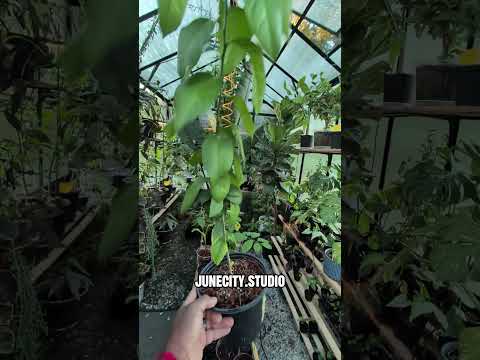
Find the Clues. Win the Lemon Tree. 🍋
Join the Junecity.studio Treasure Hunt and learn how to care for your very own Meyer lemon seedling. Discover tips, tricks, and the best practices to grow and nurture this delightful citrus tree!

Tomorrow Decides Who Wins the Lemon Tree 🍋
Explore the strategy behind winning a lemon tree in a competitive treasure hunt. Learn tips for caring for your own lemon plants and optimizing their growth.
0 comments
Comments (0)
We love hearing from our community. Share your thoughts, questions, or experience.
Have something to add?
Log in to post, react, share images, and join threads.
Newest First
All Comments
Showing 0-0 of 0
Start the conversation.
Questions and first-hand experience are welcome here.