
What Came Indoors With My Plants?

Bringing plants indoors means bringing in whatever hitched a ride. I use Garsum yellow sticky traps as early-warning monitors — not a cure-all.
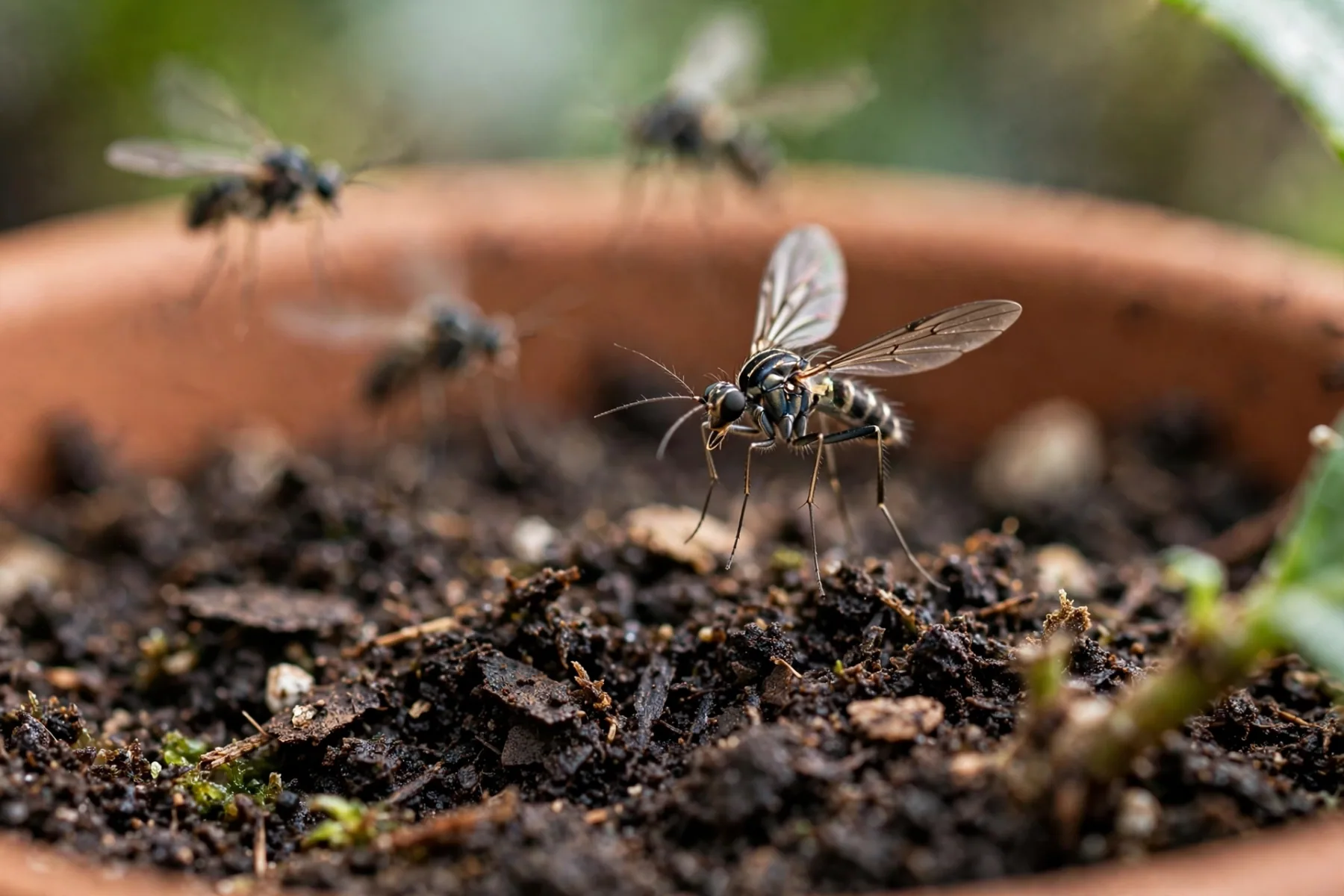
Every fall I bring my tropicals and houseplants back inside, and every fall the same thought crosses my mind: what came in with them? Out on the patio all summer, the plants picked up passengers — fungus gnats in the soil, maybe a mealybug or two hiding in a leaf joint, thrips I never even saw. You cannot see most of them on day one. So before the plants settle in for winter, I set out an early-warning system: yellow sticky traps.
I use Garsum yellow sticky traps, and I want to be clear about what they are: a monitoring tool. They catch flying insects on a bright yellow card so you can see what is flying around your plants. They are not a cure for every pest problem, and I am not going to pretend they are. They are the smoke alarm, not the fire extinguisher.
🌱 What I use
Garsum Yellow Sticky Traps — the yellow sticky traps I set among my indoor plants as early-warning pest monitors.
https://www.amazon.com/dp/B07ZSC4CK1?tag=andreferrei04-20
Why yellow, and why now
Yellow cards attract many flying plant pests — fungus gnats, whiteflies, thrips, winged aphids — the way a porch light draws moths. Sticking a few cards among the plants you just brought inside is the fastest way to find out what hitched a ride. The first week or two indoors is when you want answers, because that is when a small problem is still small.
Setting them up
- Place them low and close: push the trap stakes into the pots of the plants you just brought in, or hang the cards just above the soil line. Fungus gnats hover low around the soil surface, so that is where the card does its best work.
- One per plant or per grouping: I put a trap in each suspect pot — the ones that sat outside all summer — rather than one lonely card in the middle of the room.
- Check them on a schedule: I look at the cards when I water. A few specks is information; a card going black is a situation.
- Replace as needed: dusty, full cards stop catching. Swap them out and keep watching.
Reading what you catch
The trap tells you what is flying, which narrows down what is breeding. Tiny dark flies stuck near the soil line point at fungus gnats living in the top layer of the mix. What the trap will not do is identify every pest — mealybugs and scale do not fly to yellow cards, so you still need to inspect leaf joints and stems with your eyes. The trap is one tool in the inspection, not the whole inspection.
What traps do not do
They do not solve every pest problem. A sticky card will not touch mealybugs, scale, spider mites, or root mealybugs, and it will not fix the conditions that let pests thrive — soggy soil, stressed plants, no airflow. If the traps show you have fungus gnats, the fix is letting the top of the soil dry out between waterings, not buying more cards. The trap's job is to tell you the truth early. The fixing is still on you.
My indoor-plant inspection routine
- Before they come in: look every plant over — under leaves, in leaf joints, on the soil surface. Hose off or wipe down anything suspicious outside, where the mess stays outside.
- Traps go in on day one: cards in the pots of everything that lived outdoors.
- Weekly checks: glance at the cards when I water. Note what is stuck and how many.
- Quarantine the suspects: anything catching a crowd gets moved away from the clean plants until I know what I am dealing with.
The bottom line
Something always tries to come inside with the plants. Yellow sticky traps will not stop every pest, but they will tell you what is in the room — and knowing early is half the battle. Set them out, check them when you water, and deal with what you find while it is still small.
Keep exploring
Find more Junecity guides
Browse practical gardening, outdoor living, and DIY articles.Browse the blogKeep growing
Suggested reading

Growing 11-Foot Banana Trees in Connecticut: A Comprehensive Guide
Discover how to successfully grow cold-hardy banana trees in Connecticut, including root protection methods and essential care tips for these tropical plants.
Find the Clues. Win the Lemon Tree. 🍋
Join the Junecity.studio Treasure Hunt and learn how to care for your very own Meyer lemon seedling. Discover tips, tricks, and the best practices to grow and nurture this delightful citrus tree!
0 comments
Comments (0)
We love hearing from our community. Share your thoughts, questions, or experience.
Have something to add?
Log in to post, react, share images, and join threads.
Newest First
All Comments
Showing 0-0 of 0
Start the conversation.
Questions and first-hand experience are welcome here.