
I’m Growing an Avocado Tree in the Ground in Connecticut!

Discover how to successfully grow an avocado tree in Connecticut's challenging climate, with practical tips, materials, and troubleshooting advice.
Introduction
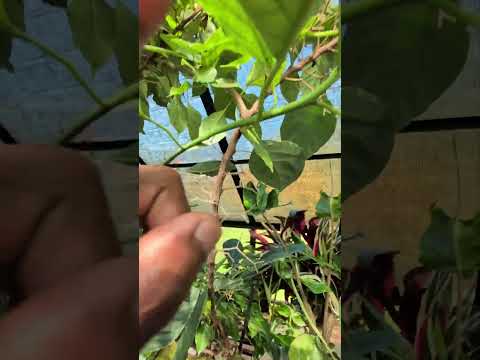
Growing tropical plants like avocado trees in colder climates can seem daunting, especially in regions like Connecticut, where winters can be harsh. However, with the right techniques and preparations, it is entirely possible to cultivate a thriving avocado tree right in your garden. This guide will explore essential steps, materials needed, and tips for success.
Why Grow Avocado Trees?
Avocado trees not only provide delicious fruit but also serve as beautiful ornamental plants. Their lush green foliage adds a tropical touch to any garden. Additionally, home-grown avocados are fresher and more nutritious than store-bought ones, making them a rewarding addition to your garden. Moreover, avocados are rich in healthy fats and can enhance a variety of dishes, from salads to smoothies, making them a valuable crop for any home gardener.
Understanding the Challenges of Growing Avocados in Connecticut
Connecticut's cold winters pose a significant challenge for growing avocados, which are native to warmer climates. Here are some factors to consider:
- Temperature: Avocados thrive in temperatures between 60°F and 85°F. Protecting them from frost is crucial, as temperatures below 30°F can damage young trees.
- Soil Conditions: Well-draining soil is essential to prevent root rot. Amending the soil with organic matter can improve drainage and provide the necessary nutrients for growth.
- Sunlight: Avocado trees require full sun for optimal growth. Selecting a suitable planting location that receives adequate sunlight throughout the day is vital.
- Humidity: While avocados prefer a humid environment, Connecticut’s dry winter air can be challenging. Consider using a humidifier or misting your plants during dry spells.
Materials Needed for Planting
To successfully grow an avocado tree in your Connecticut garden, gather the following materials:
- Avocado Seedling: Choose a healthy seedling, ideally a variety suited for colder climates. Varieties like 'Bacon' or 'Fuerte' are known to be more cold-tolerant.
- Organic Soil: Use a high-quality organic potting mix or coco chips, such as Riare 10LBS Coco Chips Substrate. This will ensure good drainage and moisture retention.
- Plant Labels: Use Aluminum Plant Labels to mark your plants and keep track of different varieties.
- Frost Protection Kit: Invest in a Plant Covers Freeze Protection Kit for winter. This will help shield your tree from unexpected frosts.
- Mulch: Organic mulch will help retain moisture and regulate soil temperature. Consider using wood chips or straw around the base of the tree.
Step-by-Step Guide to Planting Your Avocado Tree
- Select a Planting Location: Choose a sunny spot that receives at least 6-8 hours of sunlight daily. Avoid areas that are prone to standing water or heavy shade.
- Prepare the Soil: Amend the soil with organic matter to enhance drainage. Test the pH level to ensure it's between 6 and 7, which is ideal for avocado trees. You may need to add lime or sulfur to adjust the pH accordingly.
- Plant the Seedling: Dig a hole large enough to accommodate the root ball of the seedling. Place the seedling in the hole and cover it with soil, firming it gently around the base. Ensure that the top of the root ball is level with the surrounding soil.
- Watering: Water the tree thoroughly after planting. Ensure the soil remains moist but not soggy during the growing season. Adjust your watering schedule based on rainfall and temperature.
- Frost Protection: Use the frost protection kit during the winter months to shield your avocado tree from cold temperatures. Consider placing frost blankets over your tree during particularly chilly nights.
- Regular Maintenance: Monitor your tree for pests and diseases. Regularly check for signs of aphids, spider mites, or fungal infections, and treat them promptly.
Common Mistakes to Avoid
When growing avocado trees in Connecticut, it's essential to avoid common pitfalls:
- Overwatering: Excess water can lead to root rot. Ensure proper drainage by planting in a raised bed or using pots with drainage holes. Monitor soil moisture closely, especially after heavy rains.
- Ignoring Frost Warnings: Always protect your avocado tree during frost warnings to prevent damage. Be proactive in covering your tree when temperatures are expected to drop.
- Neglecting Sunlight: Ensure your tree receives adequate sunlight for healthy growth. If necessary, prune back surrounding plants or trees that may cast shade.
- Choosing the Wrong Variety: Not all avocado varieties are suited for colder climates. Always research and select varieties that can tolerate lower temperatures.
Maintaining Your Avocado Tree
Regular maintenance is key to a healthy avocado tree:
- Fertilization: Use an organic fertilizer during the growing season to promote healthy growth. A balanced fertilizer with equal parts nitrogen, phosphorus, and potassium is ideal. Follow the manufacturer's instructions for application rates.
- Pruning: Prune your tree to maintain its shape and remove any dead or diseased branches. This will also increase airflow and light penetration, which is essential for fruit production.
- Monitoring Pests: Keep an eye out for pests and diseases that may affect your tree. Regularly inspect the leaves and stems for any signs of trouble, and take appropriate action immediately.
- Water Management: Adjust your watering based on the season. In the hot summer months, your avocado tree may require more frequent watering, while in fall and winter, you can reduce the frequency.
Conclusion
Growing an avocado tree in Connecticut is not only possible but can be a rewarding experience. With the right materials, careful planning, and attention to detail, you can enjoy the fruits of your labor right from your backyard. Embrace the challenge of growing avocados in a cooler climate, and soon you'll be harvesting your own avocados, adding a touch of tropical paradise to your home.
Photos from this idea
Helpful products for this project
These products were matched to the materials, tools, and care steps discussed in the article.
- Aluminum Plant Labels - 200PCS Metal Tags with Wires for Plant Markers, Tree Tags, Outdoor Identification and Greenhouse - View Product: 【Package Information】You will receive 200 pieces of aluminum plant labels in the package, sturdy and waterproof....
- Plant Covers Freeze Protection Kit, 10 x 30Ft Frost Cloth and 6Pcs Fiberglass Garden Hoops 1oz/yd² Floating Row Cover with Greenhouse Hoops Frost Blanket for Winter Garden Covers for Raised Beds - View on Amazon: 【Best Winter Plant Covers Freeze Protection Kit】This garden bed cover kit contains all gardening tools to build a...
- HQAUT 10/8/6/5 Inch Large Clear Nursery Pots with Drainage Holes, 16 Pack Gallon Clear Plastic Pots for Plants, Seedling Starter Pot, Garden Plant Pots for Succulents Flowers - View Product: Variety Pack Nursery Pots : You will get 5/6/8/10 inch plant pots (4 of each size), 16 pack in total which are...
- Riare 10LBS Coco Chips Substrate for Plants- 100% Organic Coconut Husk Chips with Low EC and pH Balanced, High Expansion Coconut Substrate Coco Husk Mulch for Garden Flowers, Herbs, Planting - View Product: Organic Coconut Chip: You will get 10 lbs coco chips bricks planting substrate, made from pure natural coco coir...
- 4-in-1 Soil Moisture Meter Digital Plant Temperature/Soil Moisture/PH Meter/Sunlight Intensity Backlight LCD Display Soil Test Meter for Gardening, Farming and Outdoor Plants - View Product: 【4 in 1 function】This is a 4-in-1 multifunctional soil tester.Our soil tester fastly to measure soil moisture, pH,...
Source: Watch the original YouTube Short.
Keep exploring
Find more Junecity guides
Browse practical gardening, outdoor living, and DIY articles.Browse the blogShop this guide
Affiliate Picks
Tools & supplies I use and recommend


As an affiliate, junecity.studio may earn from qualifying purchases at no additional cost to you.
Keep growing
Suggested reading

Growing 11-Foot Banana Trees in Connecticut: A Comprehensive Guide
Discover how to successfully grow cold-hardy banana trees in Connecticut, including root protection methods and essential care tips for these tropical plants.
Can I Grow an Avocado Tree in the Ground in Connecticut?
Discover the ins and outs of growing an avocado tree in Connecticut, including suitable conditions, care tips, and potential challenges.
0 comments
Comments (0)
We love hearing from our community. Share your thoughts, questions, or experience.
Have something to add?
Log in to post, react, share images, and join threads.
Newest First
All Comments
Showing 0-0 of 0
Start the conversation.
Questions and first-hand experience are welcome here.