
Growing BANANAS in CONNECTICUT?! Winter Is Coming! 🍌🥶

Learn how to protect your banana trees in Connecticut's harsh winter. Discover effective insulation methods using grass clippings and other tips for successful banana cultivation in cold climates.


At a glance
Key Takeaways
Insulation is Key
Using grass clippings effectively insulates your banana trees against winter's chill.

Pruning Helps
Regular pruning of dead leaves can help focus the plant's energy on survival.

Monitor Watering
Reduce watering during winter to avoid root rot from excess moisture.
As winter approaches, many gardeners in colder climates face the challenge of protecting their tropical plants. Banana trees, known for their lush foliage and delectable fruit, can thrive even in Connecticut with the right care. In this article, we'll explore how to insulate your banana trees using grass clippings and other practical tips to ensure they survive the frigid months ahead.
Why Growing Bananas in Connecticut Is Possible
Many people may think that growing bananas is a tropical endeavor, but with the right techniques, it can be done successfully in colder regions like Connecticut. The key lies in understanding your plant's needs and taking proactive measures to shield them from the cold. Connecticut's climate presents unique challenges, but with careful planning and execution, you can enjoy homegrown bananas.
Understanding Banana Trees
- Varieties: Different banana varieties have varying degrees of cold tolerance. For instance, the Dwarf Cavendish is a popular choice among home gardeners due to its manageable size and ability to produce fruit in less ideal conditions.
- Growth Cycle: Banana plants grow rapidly and can produce fruit within nine to twelve months under ideal conditions. They are considered perennials, meaning they can live for several years if properly cared for.
Preparing Your Banana Trees for Winter
Preparation is crucial for the survival of your banana trees during winter. Here are some steps you can take:
1. Timing Your Preparations
Start preparing your banana trees for winter in late fall, before the first frost. This gives your plants time to adapt to the upcoming changes. Keep an eye on the weather forecast and be proactive.
2. Pruning
Trim your banana trees to remove any dead or damaged leaves. This helps reduce stress on the plant and allows it to focus its energy on survival. When pruning, use clean, sharp tools to prevent any disease from entering the plant. Remove any leaves that show signs of damage or disease, and consider cutting back any stems that are weak or unhealthy.
3. Insulating with Grass Clippings
One effective method to insulate your banana trees is using grass clippings. Here's how:
- Collect Grass Clippings: Gather fresh grass clippings from your lawn. Ensure they are dry to prevent mold. You can also mix in other organic materials like straw or shredded leaves for added insulation.
- Apply a Layer: Spread a thick layer of grass clippings around the base of the banana tree. This will provide insulation and help retain moisture. Aim for a layer that is at least 6 to 12 inches thick to be effective against the cold.
- Monitor Moisture Levels: Check the moisture level of the soil beneath the clippings. Ensure it's not too soggy, as this can lead to root rot. Water the soil well before applying the clippings, but afterwards, be careful not to overwater.
Additional Winter Care Tips
In addition to insulation, consider the following tips to keep your banana trees healthy during winter:
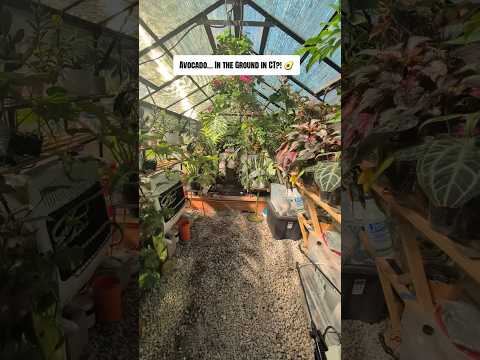
- Use Grow Lights: If your banana trees are indoors or in a greenhouse, consider using grow lights to mimic sunlight and promote growth. This is especially important during the shorter days of winter when natural sunlight is limited.
- Water Sparingly: Reduce watering during the winter months, as the plants will not require as much moisture. However, ensure that the soil remains slightly moist, as completely drying out can cause stress.
- Monitor Temperature: Keep an eye on the temperature around your banana trees. Ideally, they should be kept in a warm environment, above 50°F (10°C) to prevent frost damage.
Common Mistakes to Avoid
As you prepare your banana trees for winter, be aware of these common mistakes:
- Overwatering: Excess moisture can be detrimental to the roots during cold months. Always check the soil moisture before watering.
- Neglecting to Insulate: Failing to insulate your banana trees can lead to frost damage. Make insulation a priority as temperatures drop.
- Ignoring Pests: Winter can bring its own set of pests. Regularly check your plants for any signs of pests or disease and take action promptly.
Conclusion
Growing banana trees in Connecticut is not only possible but can also be a rewarding experience with the right preparation and care. By insulating your plants with grass clippings and following the tips outlined in this article, you can help your banana trees thrive even in the coldest months. Embrace the challenge, and enjoy the fruits of your labor come spring!
Frequently Asked Questions
Can I grow bananas indoors during winter?
Yes, bananas can be grown indoors during winter. Ensure they receive adequate light, preferably from grow lights, and maintain a warm temperature.
What is the best banana variety for colder climates?
The Dwarf Cavendish is often recommended for colder climates due to its hardiness and shorter growing season.
How much sunlight do banana trees need?
Banana trees thrive in full sunlight, requiring at least 6-8 hours of direct sunlight each day for optimal growth.
Photos from this idea
Helpful products for this project
These products were matched to the materials, tools, and care steps discussed in the article.
- Plant Cleaning Wipes by Southside Plants - Gentle, Plant-Based Wipes for Shiny Leaves and Better Photosynthesis - Unscented, Extra Thick Waffle Weave Leaf Wipe for Indoor & Outdoor Plants - 80 Ct - View Product: Clean Leaves for Healthy, Happy Plants & Air - Removing dust, dirt, pollution, and...
- MySoil Soil Test Kit, Unlock Your Lawn & Garden Potential, Complete & Accurate Nutrient and pH Analysis with Recommendations Tailored to Your Soil and Plant Needs - View Product: KNOW BEFORE YOU GROW | Grow the healthiest, sustainable lawn and garden with the...
- VIVOSUN LumaLight 100W LED Grow Light, Full Spectrum Plant Light, Smart Dimmable & High PPFD for Indoor Plants Seedling Vegetables Bloom, Fits 2×2/2×4 Grow Tents - View Product: Optimized Full Spectrum: With white, blue, red and far-red LEDs (3000K, 5000K...
- BN-LINK 5-Pack 10 Gallon Grow Bags, Heavy Duty Aeration Fabric Pots with Handles, Thickened Nonwoven Plant Bags for Vegetables, Flowers, Fruits - View Product: 【Durable & Eco-Friendly Material】: Crafted from 300g BPA-free non-woven fabric...
- 4” Longan Seedling – Live Tropical Fruit Tree - Checkout: Grow your own tropical fruit tree with a healthy Longan (Dimocarpus longan)...
Source: Watch the original YouTube Short.
Keep growing
Suggested reading

My 5-Foot Squash Tree Is Still Loaded!
Discover the secrets to growing a thriving squash tree that keeps producing even as the garden slows down. Learn how to maximize growth and yield while troubleshooting common issues.
Can I Grow an Avocado Tree in the Ground in Connecticut?
Discover the ins and outs of growing an avocado tree in Connecticut, including suitable conditions, care tips, and potential challenges.
0 comments
Comments (0)
We love hearing from our community. Share your thoughts, questions, or experience.
Have something to add?
Log in to post, react, share images, and join threads.
Newest First
All Comments
Showing 0-0 of 0
Start the conversation.
Questions and first-hand experience are welcome here.