
Growing Massive Ponderosa Lemons in My Connecticut Greenhouse!

Discover the secrets to growing enormous Ponderosa lemons in your greenhouse with expert tips and practical guidance.


At a glance
Key Takeaways

Optimal Growing Conditions
Ponderosa lemons thrive in warm temperatures, requiring ample sunlight and humidity.

Soil and Watering Needs
Use well-draining soil and water thoroughly, allowing the soil to dry slightly between watering.

Fertilization Schedule
Feed with a balanced fertilizer every 4-6 weeks during the growing season for best results.
Introduction
If you've ever dreamed of growing your own citrus fruits, you're in for a treat! The Ponderosa lemon, known for its large size and unique flavor, can be a rewarding addition to your greenhouse. In this article, we'll explore the best practices for nurturing these massive lemons in a Connecticut greenhouse environment, from selecting the right varieties to managing common pests and diseases.
Why Ponderosa Lemons?
Ponderosa lemons (Citrus × limon 'Ponderosa') are renowned for their hefty size, often weighing over a pound. They have a thick, bumpy skin and are less acidic than regular lemons, making them perfect for culinary uses and beverages. Growing these lemons not only brings a touch of the tropics to your garden but also provides a sense of accomplishment as you nurture them to fruition.
These lemons are not just large; they are also incredibly fragrant. The aroma of a Ponderosa lemon can fill a room, making it a delightful addition to any culinary dish. The flavor profile is sweet with a hint of tartness, providing a refreshing twist to lemonade, cocktails, or even savory dishes. Furthermore, the Ponderosa lemon tree is a beautiful ornamental plant, boasting glossy green leaves and fragrant white flowers that bloom in the spring.
Getting Started: Your Greenhouse Setup
Creating the ideal environment for your Ponderosa lemons starts with your greenhouse setup. Here are some essential considerations:
- Temperature Control: Ponderosa lemons thrive in warm temperatures, ideally between 70°F to 85°F. Ensure your greenhouse is well-insulated to maintain these temperatures, especially during colder months. Consider using a heating system to keep the temperature consistent.
- Lighting: These citrus trees require full sun for at least 8 hours a day. Position your greenhouse to maximize sunlight exposure, and consider using grow lights during the shorter days of winter to supplement natural light.
- Humidity: Maintain humidity levels around 50-60% to encourage healthy growth. You can use a humidifier or mist the plants regularly. This is especially important during the dry winter months when indoor heating can lower humidity levels.
Soil Requirements
Using well-draining soil is crucial for the health of your Ponderosa lemons. A mix of potting soil and sand or perlite works well. This combination helps prevent root rot and ensures that your plants receive the necessary nutrients. Ideally, the soil pH should be between 5.5 and 6.5, which is slightly acidic, as this range promotes optimal nutrient uptake for citrus trees.
To create the perfect potting mix, consider using:
- Potting Soil: A high-quality, organic potting soil will provide the necessary nutrients and structure for your Ponderosa lemon tree.
- Perlite or Sand: Adding perlite or coarse sand helps improve drainage, preventing water from pooling around the roots.
- Organic Matter: Incorporate organic compost to enhance soil fertility and improve moisture retention.
Before planting, it’s a good practice to test your soil to ensure it meets the necessary pH and nutrient levels. You can use DIY soil test kits available at garden centers or send samples to local agricultural extension services for a more comprehensive analysis.
Watering Techniques
Water your Ponderosa lemons thoroughly but allow the soil to dry slightly between waterings. Overwatering can lead to root rot, so it's essential to monitor the moisture levels closely. During the growing season, which typically runs from spring to early fall, increase watering as the plant's needs grow.
Here are some tips for effective watering:
- Check Soil Moisture: Use your finger to check the top inch of soil. If it feels dry, it's time to water. Aim for a consistent watering schedule, adjusting based on the season and environmental conditions.
- Watering Technique: Water deeply and evenly around the base of the plant, ensuring that the entire root system receives moisture. Avoid getting water on the leaves to reduce the risk of fungal diseases.
- Use Mulch: Applying a layer of organic mulch around the base of your lemon tree can help retain moisture, regulate soil temperature, and suppress weeds.
Fertilization
Feed your Ponderosa lemons with a balanced fertilizer every 4-6 weeks during the growing season. A fertilizer high in potassium will encourage fruit production and overall plant health. Consider using organic options for a more natural approach.
When selecting a fertilizer, look for one specifically formulated for citrus trees, as these products often contain the right balance of nutrients, including nitrogen, phosphorus, and potassium, as well as trace elements like magnesium and iron.
Here are some effective fertilization practices:
- Granular Fertilizers: These can be sprinkled around the base of the plant and watered in. Follow the manufacturer's instructions for the appropriate amount based on the age and size of your tree.
- Liquid Fertilizers: These can be diluted in water and applied during regular watering. This method allows for quicker absorption of nutrients.
- Organic Options: Compost tea, fish emulsion, or well-rotted manure can provide a nutrient boost while improving soil health.
Common Mistakes to Avoid
Even experienced gardeners can make mistakes when growing Ponderosa lemons. Here are some common pitfalls to watch out for:
- Neglecting Pruning: Regular pruning helps maintain shape and encourages airflow, which can prevent disease. Remove any dead or diseased branches and shape the tree to allow sunlight to penetrate the canopy.
- Ignoring Pests: Keep an eye out for common pests like aphids and spider mites. Early intervention is key to managing infestations. Use insecticidal soap or neem oil as a natural remedy.
- Overfertilizing: Too much fertilizer can lead to nutrient burn and hinder fruit production. Follow recommended guidelines for feeding your plants.
- Improper Watering: Both overwatering and underwatering can stress your plants. Be attentive to their moisture needs, especially during hot weather.
Harvesting Your Lemons
Once your lemons reach their full size, you can begin to harvest them. Look for a slight yellowing of the skin and a firm texture. Use pruning shears to cut the fruit from the tree, taking care not to damage the branches.
Here are some tips for harvesting:
- Timing: Lemons are typically ready to harvest 6-12 months after flowering. Monitor their size and color as they mature.
- Harvesting Technique: Always use clean, sharp shears to avoid damaging the plant. Cut the fruit off the stem rather than pulling it, which can harm the branches.
- Post-Harvest Care: Store harvested lemons in a cool, dry place away from direct sunlight. They can last several weeks if stored properly.
Conclusion
Growing Ponderosa lemons in your Connecticut greenhouse can be a rewarding experience. With the right care, you can enjoy these unique fruits while enhancing your gardening skills. Remember to create an optimal environment, provide proper watering and nutrition, and keep an eye out for common issues. Happy gardening!
Photos from this idea
Helpful products for this project
These products were matched to the materials, tools, and care steps discussed in the article.
- Just Good Soil Essential Nutrient Protocol - 3-Step Soil Food System for Organic & Regenerative Gardening, Organic Plant Food & Soil Enhancer for Home Gardening - Sprout_01, Rise_02 & Replenish_03 - View Product: COMPLETE 3-STEP SOIL FOOD SYSTEM: Includes Sprout_01 Soil Life Kickstarter...
- Suca Plant Tying Machine, Lightweight Plant Tying Tape Tool to Tie Up Vine Quickly, Plant Tie Tapener Gun with Tapes and Staples, Red - View Product: Time-saving & Lightweight: Our plant tying machine tool features a 45mm opening...
- Plant Cleaning Wipes by Southside Plants - Gentle, Plant-Based Wipes for Shiny Leaves and Better Photosynthesis - Unscented, Extra Thick Waffle Weave Leaf Wipe for Indoor & Outdoor Plants - 80 Ct - View Product: Clean Leaves for Healthy, Happy Plants & Air - Removing dust, dirt, pollution, and...
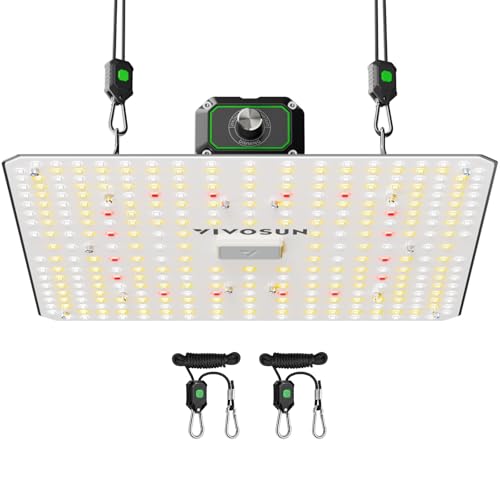
- VIVOSUN LumaLight 100W LED Grow Light, Full Spectrum Plant Light, Smart Dimmable & High PPFD for Indoor Plants Seedling Vegetables Bloom, Fits 2×2/2×4 Grow Tents - View Product: Optimized Full Spectrum: With white, blue, red and far-red LEDs (3000K, 5000K...
- NAYE Grafting Gardening Knife,2-5/8" Curved Straight Blades Garden Knife for Budding Pruning,with Grafting Tape Plant Labels/Tree Tags - View Product: Razor sharp curved/straight two blade pocket grafting knife.
Source: Watch the original YouTube Short.
Keep exploring
Explore More Gardening Tips
Visit our blog for more insights on greenhouse gardening and tropical plants.Read More
Shop this guide
Affiliate Picks
Tools & supplies I use and recommend


As an affiliate, junecity.studio may earn from qualifying purchases at no additional cost to you.
Keep growing
Suggested reading

This Citrus Tree Survives Connecticut Winters! 🍊❄️
Learn how to successfully grow the cold-hardy Flying Dragon citrus tree in Connecticut, ensuring it thrives through winter's harshest conditions.

Tomorrow Decides Who Wins the Lemon Tree 🍋
Explore the strategy behind winning a lemon tree in a competitive treasure hunt. Learn tips for caring for your own lemon plants and optimizing their growth.
0 comments
Comments (0)
We love hearing from our community. Share your thoughts, questions, or experience.
Have something to add?
Log in to post, react, share images, and join threads.
Newest First
All Comments
Showing 0-0 of 0
Start the conversation.
Questions and first-hand experience are welcome here.