
Growing Tropical Fruit in Connecticut in Late October!

Discover how to successfully grow tropical fruits like Longan and Yellow Dragon Fruit even as the frost begins to settle in Connecticut. This article offers practical tips, techniques, and product recommendations to help you thrive in cooler climates.


At a glance
Key Takeaways

Unique Harvests
Growing tropical fruits like Longan and Dragon Fruit can provide unique flavors that are not available locally.

Year-Round Gardening
Extend your gardening season and keep your passion alive even in colder months.

Greenhouse Benefits
A greenhouse allows you to control temperature and humidity, ideal for tropical plants.
Introduction
As the leaves change and the chill of October settles in Connecticut, many gardeners might think it's time to pack away their tools and prepare for winter. However, for those with a passion for tropical fruits, this season can still be productive. With the right techniques and tools, it's possible to grow tropical fruits such as Longan and Yellow Dragon Fruit in your greenhouse or indoors.
Why Grow Tropical Fruits in Cooler Climates?
Growing tropical fruits can be a rewarding challenge, especially in areas like Connecticut where the climate is not naturally conducive to these plants. The benefits include:
- Unique Harvests: Enjoying the flavors of tropical fruits that are not typically available in local markets, offering a taste of exotic produce right from your backyard.
- Year-Round Gardening: Extending the growing season and keeping your gardening passion alive through the colder months, allowing you to engage with your plants year-round.
- Greenhouse Benefits: Utilizing a greenhouse allows for the manipulation of temperature and humidity, creating a suitable environment for tropical plants to thrive.
- Educational Experience: Growing tropical fruits provides an opportunity to learn about different plant care techniques, helping to enhance your gardening skills.
- Environmental Benefits: Growing your own fruits can contribute to reducing your carbon footprint, as you minimize reliance on store-bought produce that requires transportation.
Getting Started with Tropical Fruits
Before diving into the specifics of growing Longan and Yellow Dragon Fruit, it's essential to understand the basic requirements of these plants. Both fruits thrive under specific conditions and require careful attention to detail.
Choosing the Right Environment
Tropical fruits thrive in warm, humid conditions. Here are some tips for creating the perfect environment:
- Temperature: Maintain a temperature between 70°F and 85°F (21°C to 29°C) inside your greenhouse. This temperature range mimics the natural habitat of tropical plants, promoting healthy growth.
- Humidity: Aim for humidity levels around 70-90%. You can achieve this through regular misting or using a humidifier. High humidity is crucial for the development of healthy fruit.
- Light: Ensure your tropical fruits receive plenty of bright, indirect sunlight. A south-facing greenhouse is ideal, as it provides maximum exposure to sunlight throughout the day.
- Ventilation: Proper air circulation is necessary to prevent fungal diseases. Open windows or use fans to ensure good airflow, especially on humid days.
- Soil Quality: Use high-quality, well-draining potting mix that retains moisture but allows excess water to escape. Consider adding perlite or coconut coir to improve drainage.
Essential Tools and Materials
To successfully grow tropical fruits, consider the following tools:
- Grow Bags: These are perfect for providing adequate drainage and aeration to your plants. Consider using BN-LINK 5-Pack 10 Gallon Grow Bags. Their breathable design promotes healthy root development.
- Quality Soil: Use well-draining soil enriched with organic matter to provide essential nutrients. A mix containing compost, peat moss, and perlite works well.
- Watering Can: A good watering can will help ensure your plants receive the right amount of water without over-saturating the soil. Look for one with a long spout for easy access to your plants.
- Thermometer and Hygrometer: These tools will help you monitor the temperature and humidity levels in your greenhouse, ensuring optimal growing conditions.
- Fertilizer: Use a balanced, slow-release fertilizer to provide your plants with the nutrients they need throughout the growing season.
- Pruning Shears: Invest in a good pair of pruning shears for trimming and shaping your plants, promoting healthy growth and fruit production.
Growing Longan and Yellow Dragon Fruit
Now that you've set up your environment, let’s dive into the specifics of growing Longan and Yellow Dragon Fruit.
Longan (Dimocarpus longan)
Longan is a tropical fruit tree that produces sweet, juicy fruits. Here’s how to grow it:
- Planting: Start with a healthy Longan seedling. You can find 4” Longan Seedling – Live Tropical Fruit Tree for an excellent start. Make sure to plant it in a location where it will receive plenty of light.
- Watering: Keep the soil consistently moist but not soggy. Water more frequently during the growing season, especially as the plant begins to flower. Consider using a drip irrigation system to maintain consistent moisture.
- Fertilizing: Use a balanced fertilizer every few months to promote healthy growth. A fertilizer high in potassium will help boost fruit production.
- Pruning: Regularly prune your Longan tree to maintain its shape and remove any dead or diseased branches. This will encourage better air circulation and reduce the risk of pests.
- Pest Control: Monitor your plants for signs of pests such as aphids or scale insects. Use organic pest control methods when needed, such as insecticidal soap or neem oil.
- Harvesting: Longan fruits are typically ready to harvest in late summer to early fall. Look for fully mature fruits that have turned a golden brown color.
Yellow Dragon Fruit (Hylocereus undatus)
Dragon fruit is known for its vibrant appearance and unique taste. Follow these steps to ensure successful growth:
- Planting: Opt for a mature cutting that is fully rooted. Consider using the 4” Yellow Dragon Fruit Mature Cutting. Plant it in a well-draining potting mix, ensuring the roots are covered without being overly compacted.
- Support Structure: As a climbing plant, Dragon Fruit requires support. Use a trellis or sturdy stakes to help it grow upward. This will also improve air circulation around the plant.
- Watering: Water sparingly, allowing the soil to dry out between waterings to prevent root rot. Dragon Fruit prefers slightly drier conditions compared to Longan.
- Fertilizing: Feed your Dragon Fruit plant with a balanced fertilizer every month during the growing season to encourage healthy growth and fruiting.
- Flowering and Pollination: Dragon Fruit flowers bloom at night and are often pollinated by bats or moths. If you're growing indoors, you may need to hand-pollinate the flowers to ensure fruit set.
- Harvesting: Dragon fruit is typically ready to harvest when the skin turns bright pink or yellow, and the scales start to curl back. Cut the fruit from the plant using sharp shears.
Common Mistakes to Avoid
When growing tropical fruits in cooler climates, be mindful of these common pitfalls:
- Overwatering: Be cautious not to overwater your plants, which can lead to root rot. Always check the moisture level of the soil before watering.
- Insufficient Light: Ensure your plants receive enough light, as inadequate lighting can stunt their growth. If you're growing indoors, consider using grow lights to supplement natural sunlight.
- Ignoring Pests: Regularly check for pests and diseases that can affect your plants, and take action promptly. Early detection can save your plants from significant damage.
- Neglecting Soil Quality: Ensure that you're using high-quality soil that provides sufficient drainage and nutrients. Poor soil can hinder growth and fruit production.
- Failing to Prune: Neglecting to prune your plants can lead to overcrowded growth and poor air circulation, increasing the risk of disease.
Next Steps and Maintenance
As you nurture your tropical fruits, regular maintenance is key to ensuring a bountiful harvest. Consider the following:
- Pruning: Regularly prune your plants to encourage healthy growth and remove any dead or diseased branches. Proper pruning can also help shape the plant for better light exposure.
- Monitoring Conditions: Keep an eye on temperature and humidity levels, adjusting as necessary to maintain optimal growth conditions. Use a thermometer and hygrometer to track these levels accurately.
- Fertilizing Schedule: Establish a regular fertilizing schedule during the growing season to ensure that your plants receive the necessary nutrients for growth and fruiting.
- Harvesting Techniques: Be patient and wait for your fruits to ripen fully before harvesting for the best flavor. Use sharp shears to cut the fruit from the plant to avoid damaging it.
- Seasonal Adjustments: As the seasons change, be prepared to adjust your care routine. In colder months, consider bringing potted plants indoors or providing additional heating in your greenhouse.
Conclusion
Growing tropical fruits in Connecticut during late October is possible with the right tools, techniques, and care. By creating a suitable environment and avoiding common mistakes, you can enjoy the unique flavors of Longan and Yellow Dragon Fruit even as the frost approaches. Embrace the challenge and enjoy the fruits of your labor this fall and winter. Happy gardening!
Photos from this idea
Helpful products for this project
These products were matched to the materials, tools, and care steps discussed in the article.
- BN-LINK 5-Pack 10 Gallon Grow Bags, Heavy Duty Aeration Fabric Pots with Handles, Thickened Nonwoven Plant Bags for Vegetables, Flowers, Fruits - View Product: 【Durable & Eco-Friendly Material】: Crafted from 300g BPA-free non-woven fabric, these grow bags are built to last...
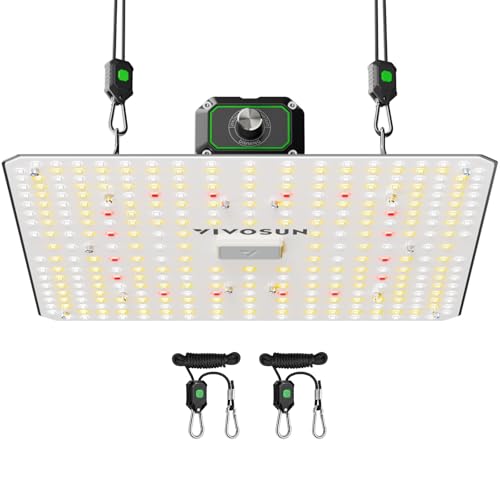
- VIVOSUN LumaLight 100W LED Grow Light, Full Spectrum Plant Light, Smart Dimmable & High PPFD for Indoor Plants Seedling Vegetables Bloom, Fits 2×2/2×4 Grow Tents - View Product: Optimized Full Spectrum: With white, blue, red and far-red LEDs (3000K, 5000K, 660nm and 730nm), this grow light...
- MEPEREZ Premium Pruning Shears For Gardening, Work 3 Times Easier, Pruners Heady Duty, Sharp Garden Clippers Cuting Florist Flower, Hedge, Herb, Rose, Indoor Live Plants, Arthritis Weak Hand Snips - View Product: 🎁STRONG CONSTRUCTION, DURABLE, SHARP FOR A LONG TIME: Made of premium materials with higher quality, this pair of...
Source: Watch the original YouTube Short.
Keep exploring
Ready to start your tropical garden?
Explore our selection of tropical fruit seedlings and grow bags to kickstart your adventure.Shop Now
Shop this guide
Affiliate Picks
Tools & supplies I use and recommend


As an affiliate, junecity.studio may earn from qualifying purchases at no additional cost to you.
Keep growing
Suggested reading

Growing Pink Guava in Connecticut! 😳
Discover how to successfully grow pink guava in Connecticut, even in challenging climates. Learn about the conditions and care needed for this tropical delight.

How I Heat My Connecticut Greenhouse!
Discover the effective heating methods for your greenhouse, focusing on natural gas and radiant floor heating systems to keep your plants thriving during winter.
0 comments
Comments (0)
We love hearing from our community. Share your thoughts, questions, or experience.
Have something to add?
Log in to post, react, share images, and join threads.
Newest First
All Comments
Showing 0-0 of 0
Start the conversation.
Questions and first-hand experience are welcome here.