
Halloween in My Greenhouse! Spider Gets a Pass… Aphids Don't!

Explore the duality of pest management in your greenhouse this Halloween—why some creatures are allies and others must be evicted.


At a glance
Key Takeaways
Embrace Beneficial Insects
Spiders and other beneficial insects are crucial for maintaining a healthy greenhouse ecosystem.

Effective Aphid Management
Use insecticidal soap and introduce beneficial insects to control aphid populations.

Inspect Regularly
Frequent inspections of plants can help catch infestations early.
Introduction
As the Halloween season approaches, gardeners find themselves balancing the spooky ambiance of fall with the ongoing responsibilities of maintaining a healthy greenhouse. This year, I encountered a fascinating situation: a friendly spider and an unwelcome infestation of aphids. Join me as I delve into the importance of pest management in your greenhouse, highlighting why some creatures earn a pass while others are shown the door.
Why Pest Management Matters
Maintaining a healthy greenhouse environment is essential for thriving plants. Pests can disrupt growth, cause diseases, and lead to overall plant decline. Understanding which pests are harmful and which can be beneficial is key to effective management. Pest management is not just about eliminating unwanted insects; it’s about fostering a balanced ecosystem that promotes plant health.
Beneficial vs. Harmful Pests
In the world of gardening, not all pests are created equal. Some pests can actually be beneficial to your greenhouse, while others can wreak havoc on your plants. Here’s a closer look:
- Beneficial Pests: These include predatory insects like spiders, ladybugs, and lacewings, which help control harmful pest populations. For instance, ladybugs are known for their voracious appetite for aphids, making them a gardener’s best friend.
- Harmful Pests: Aphids, whiteflies, and spider mites feed on plant sap, weakening plants and spreading diseases. Aphids, in particular, can reproduce quickly, leading to infestations that can damage not only the plants they inhabit but also their neighbors.
Meet the Spider: A Beneficial Ally
This Halloween, I found a spider weaving its intricate web in the corner of my greenhouse. While many might find spiders creepy, they play a vital role in pest control. Spiders are natural predators and can help keep harmful pest populations in check. By preying on insects like aphids and flies, spiders contribute to maintaining a balanced ecosystem within your greenhouse.
Why Spiders Deserve a Pass
Although spiders may not be the most popular creatures in gardens, their contributions to pest management are invaluable. Here are some reasons why they deserve a pass:
- Natural Pest Control: Spiders catch and consume various pests, reducing the need for chemical interventions. This is especially important in organic gardening, where chemical pesticides are avoided.
- Low Maintenance: Once established, spiders require little to no care, making them an excellent addition to any greenhouse ecosystem. They thrive in the environment without requiring additional resources.
- Indicators of a Healthy Ecosystem: The presence of spiders often indicates a balanced ecosystem, as they typically thrive in environments with ample food sources and minimal disturbances.
Evicting the Aphids
In stark contrast to the spider, my greenhouse also harbored an unsightly number of aphids. These tiny pests multiply rapidly and can quickly devastate plant health. Here’s how I tackled the aphid invasion effectively:
Steps to Control Aphids
- Identify the Infestation: Regularly check plants for signs of aphids, such as curled leaves, sticky residue (honeydew), and the presence of ants, which often farm aphids for their honeydew. Early detection is crucial to preventing a full-blown infestation.
- Use Insecticidal Soap: A safe and effective method to control aphids is by spraying them with insecticidal soap. This disrupts their cell membranes, leading to their demise. Ensure that you cover both the tops and undersides of leaves, as aphids often hide there.
- Introduce Beneficial Insects: Release ladybugs or lacewings, which will feed on the aphids and help restore balance. Establishing a population of these beneficial insects can provide long-term pest control.
- Implement Cultural Controls: Maintain plant health through proper watering and fertilization practices. Healthy plants are more resilient to pest infestations. Additionally, rotating crops and managing plant spacing can minimize the spread of aphids.
- Regular Monitoring: Continue to monitor your plants even after treatment. Check for any signs of returning aphids and be prepared to take action immediately.
Recommended Products for Pest Control
To effectively manage pests in your greenhouse this Halloween, consider using the following products:
- 10 Pack Tomato Roller Hooks with 49.2FT String: Great for supporting plants and keeping them healthy. These hooks are essential for vine crops and can help with airflow around plants.
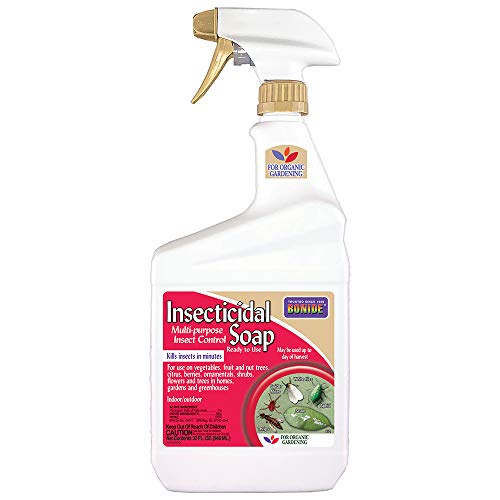
- Bonide Insecticidal Soap: A versatile solution for controlling aphids and other pests. This product is easy to apply and is safe for use on vegetables and ornamentals.
- Monterey Horticultural Oil: Effective against a wide range of pests, including aphids. This horticultural oil suffocates insects and is a good option for organic gardening.
- VEVOR Greenhouse Heater: Ensure your greenhouse maintains the right temperature for optimal plant health. This heater can help create a stable environment for your plants, especially during the cooler months.
Common Mistakes to Avoid
While managing pests, it's important to avoid common pitfalls:
- Overusing chemicals can harm beneficial insects and disrupt the ecosystem. Always follow the recommended application rates and timings to minimize impact.
- Neglecting regular inspections can lead to severe infestations that are harder to control. Make it a habit to check your plants at least once a week.
- Ignoring the signs of distress in your plants can lead to larger problems down the line. Be vigilant for any changes in leaf color, texture, or overall health.
- Failing to diversify your plant selection can lead to pest outbreaks. A variety of plants can help attract beneficial insects and deter harmful ones.
Conclusion: A Balanced Approach to Pest Management
As we celebrate Halloween, let’s remember the balance of nature in our greenhouses. Embrace the beneficial creatures like spiders while taking proactive measures against harmful pests like aphids. By implementing effective pest management strategies, you can maintain a thriving greenhouse environment year-round. A healthy greenhouse not only supports robust plant growth but also fosters a harmonious ecosystem where all creatures have their role to play.
Whether you’re a seasoned gardener or just starting, understanding the dynamics of your greenhouse can lead to more productive and rewarding experiences. This Halloween, take the opportunity to reflect on your gardening practices and make adjustments that will benefit both your plants and the environment.
Photos from this idea
Helpful products for this project
These products were matched to the materials, tools, and care steps discussed in the article.
- Bonide Insecticidal Soap, 32 oz Ready-to-Use Spray Multi-Purpose Insect Control for Organic Gardening Indoor and Outdoor - View on Amazon: Captain Jack's Insecticidal Super Soap controls species of adelgid, ant, aphid, borer, caterpillar, spider mite,...
- Monterey Horticultural Oil Bundled with Measuring Spoon - Treatment for Control of Insects - OMRI Listed - 1 Gallon - View Product: NSECT KILLER - This pest control is great for use on aphids, leaf miners, thrips, leafhoppers, spider mites, scales,...
- Sevin Insect Killer Spray, Ready-to-Use 2, 1 Gallon | Kills on Contact, over 700 Listed Insects, Pest Control Spray, Shake and Spray - View Product: Plant insecticide to protect your roses and edibles from listed damaging pests This insecticide sprayer won't harm...
Source: Watch the original YouTube Short.
Shop this guide
Affiliate Picks
Tools & supplies I use and recommend


As an affiliate, junecity.studio may earn from qualifying purchases at no additional cost to you.
Keep growing
Suggested reading

How I Heat My Connecticut Greenhouse!
Discover the effective heating methods for your greenhouse, focusing on natural gas and radiant floor heating systems to keep your plants thriving during winter.

Building My NEW Greenhouse With Heated Floors! 🔥❄️
Explore the process of building a new greenhouse equipped with heated floors to create an optimal environment for your plants. Discover the steps, materials, and tips to ensure a successful build.
0 comments
Comments (0)
We love hearing from our community. Share your thoughts, questions, or experience.
Have something to add?
Log in to post, react, share images, and join threads.
Newest First
All Comments
Showing 0-0 of 0
Start the conversation.
Questions and first-hand experience are welcome here.