
How I Heat My Greenhouse Floor in Connecticut 🔥

Learn how to effectively heat your greenhouse floor using hot water circulation, ensuring your tropical plants thrive during the cold Connecticut winters.


At a glance
Key Takeaways

Efficient Heating
A hot water circulation system provides efficient heating to keep your plants warm.
Proper Insulation
Insulating your greenhouse effectively prevents heat loss.

Monitor Temperature
Regularly check the temperature to avoid overheating your plants.
Routine Maintenance
Regular checks on your heating system can help prevent issues and ensure longevity.
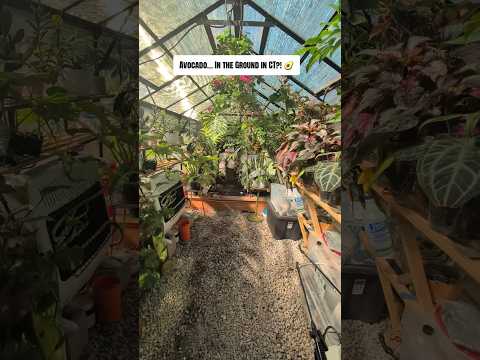
As winter approaches, maintaining the right temperature in your greenhouse becomes crucial, especially if you're growing tropical plants that thrive in warmer conditions. In this guide, I’ll share how I heat my greenhouse floor using a hot water circulation system, ensuring that my plants stay warm and healthy even when temperatures drop outside.
Why Heating Your Greenhouse Floor Matters
Heating the floor of your greenhouse helps create a stable environment for your plants, preventing root damage from cold temperatures and promoting healthy growth. A heated floor can also help in seed germination and maintaining consistent humidity levels. When the soil temperature is kept warm, it encourages the roots to grow and develop properly, establishing a strong foundation for your plants. This is particularly important for tropical plants, which may struggle to survive in colder conditions.
Furthermore, heating the greenhouse floor can reduce the risk of diseases that thrive in cold, damp conditions. By keeping the soil warm and dry, you can promote healthier plants that are less susceptible to rot and other issues. In colder climates like Connecticut, where winter temperatures can plunge, having a reliable heating system can make all the difference in your greenhouse's productivity.
Understanding the Hot Water Circulation System
My heating system circulates hot water through tubing laid beneath the greenhouse floor. This radiant heating method is efficient and effectively radiates warmth upwards, directly warming the soil and roots of your plants. The principle behind radiant floor heating is simple: hot water is circulated through pipes or tubing, which then transfers heat to the surrounding area. This method provides even heating and minimizes hot or cold spots within your greenhouse.
Components You’ll Need
- Hot Water Circulation Pump: A reliable pump is essential for maintaining water flow. I use the Happybuy Hot Water Recirculating Pump, which features a powerful motor and adjustable speed controls, allowing you to customize the water flow based on your greenhouse's needs.
- Heating Tubing: PEX tubing is commonly used for heating systems due to its durability and flexibility. Ensure it is suitable for hot water applications to avoid leaks and damage.
- Heat Source: You’ll need a water heater or boiler to heat the water circulated through the tubing. A gas or electric water heater can work effectively, but ensure it has enough capacity to meet your heating demands.
- Thermostat: A thermostat will help you maintain the desired temperature in your greenhouse. Digital thermostats with temperature probes are ideal as they provide accurate readings and control.
Installation Steps
1. Plan Your Layout
Before installation, plan the layout of your tubing beneath the greenhouse floor. Consider the size of your greenhouse and the layout of your planting beds to ensure even heating. Measure the dimensions of your greenhouse and sketch a layout that accommodates your plants while allowing for sufficient tubing coverage. A serpentine pattern is often recommended to maximize heat distribution.
2. Install the Tubing
Lay the PEX tubing in a serpentine pattern across the greenhouse floor. Ensure that the tubing is secured and has no leaks. You can use clips or anchors to fasten the tubing to the ground. It is essential to maintain consistent spacing between the tubes to ensure even heating. Typically, spacing them 12 to 18 inches apart works well, but this may vary based on your specific greenhouse setup and plant requirements.
3. Connect to the Pump
Connect one end of the tubing to the hot water circulation pump and the other end to your heating source. Ensure that all connections are tight and secure to prevent leaks. It’s advisable to use Teflon tape on threaded connections to ensure a tight seal. Make sure that the pump is positioned in a way that allows for easy access during maintenance.
4. Set Up the Thermostat
Install the thermostat in a location where it can accurately read the temperature of the greenhouse. Set it to your desired temperature, typically between 65°F and 75°F for tropical plants. Follow the manufacturer's instructions for installation and calibration to ensure accurate temperature readings. You may want to consider placing multiple temperature sensors in different areas of the greenhouse to monitor temperature variations.
5. Test the System
Before the cold winter sets in, test your system to ensure that it is functioning properly. Check for any leaks and make sure that the water is circulating effectively. Run the system for several hours to observe how well it heats the greenhouse. You can also use a thermometer to check the soil temperature to ensure it reaches the desired levels.
Common Mistakes to Avoid
- Not insulating the greenhouse properly: Proper insulation is key to retaining heat. Use bubble wrap or thermal curtains to minimize heat loss through the walls and ceiling of the greenhouse.
- Overheating: Be cautious of overheating your plants. Ensure your thermostat is functioning correctly and monitor temperatures regularly to avoid damaging your plants.
- Neglecting maintenance: Regular maintenance on your heating system can prevent breakdowns during critical times. Check the pump, tubing, and thermostat periodically to ensure they are working efficiently.
- Inadequate water heater capacity: Make sure your water heater can provide sufficient hot water for your heating system. If it’s undersized, you may struggle to maintain adequate temperatures.
Key Takeaways
- Efficient Heating: A hot water circulation system provides efficient heating to keep your plants warm and healthy.
- Proper Insulation: Insulating your greenhouse effectively prevents heat loss and maintains stable temperatures.
- Monitor Temperature: Regularly check the temperature to avoid overheating your plants and ensure they are thriving.
- Routine Maintenance: Regular checks on your heating system can help prevent issues and ensure longevity.
Conclusion
Heating your greenhouse floor can significantly enhance the growth and health of your tropical plants during the harsh winter months. By following the steps outlined above, you can create a warm, nurturing environment for your plants, ensuring they thrive even in the coldest conditions. Investing in a hot water circulation system is a practical solution for any gardener looking to extend their growing season and improve the overall health of their plants throughout the winter.
Photos from this idea
Helpful products for this project
These products were matched to the materials, tools, and care steps discussed in the article.
- BN-LINK Durable Seedling Heat Mat for Seed Starting 10" x 20.75", Waterproof Warming Mat Plant Heating Pad for Seed Germination, Indoor Growing, Hydroponic, Greenhouse, ETL Listed - View Product: IDEAL GERMINATION TEMPERATURE: The BN-LINK seedling heat mat helps maintain...
- 4” Longan Seedling – Live Tropical Fruit Tree - Checkout: Grow your own tropical fruit tree with a healthy Longan (Dimocarpus longan)...
- VEVOR Greenhouse Heater with Thermostat, 1500W PTC Fast Heating with Overheat Protection, 3-Speed Setting Small Grow Tent Heater, Electric Portable Heater Fan for Green House, Flower Room, Workplace - View on Amazon: High-Power Heating: Is your greenhouse humid?
- BioGreen Electric Greenhouse Heater & Fan with Digital Thermostat PALMA | 1500 Watts, 5100 BTU/hr | 5800 ft³/h Air Circulation -58 to 210.2°F | Stainless Steel | Spraywater Proof - View on Amazon: TWO SEPARATELY ADJUSTABLE HEATING ELEMENTS: 750 watts or 1500 watts power.
Source: Watch the original YouTube Short.
Keep exploring
Ready to Heat Your Greenhouse?
Explore our range of products to help maintain the perfect temperature for your plants.Shop NowKeep growing
Suggested reading
Can I Grow an Avocado Tree in the Ground in Connecticut?
Discover the ins and outs of growing an avocado tree in Connecticut, including suitable conditions, care tips, and potential challenges.

My Sugar Cane Is Taking Over the Greenhouse 😂
Discover how to manage and grow sugar cane in your greenhouse, ensuring healthy plants and a bountiful harvest.
0 comments
Comments (0)
We love hearing from our community. Share your thoughts, questions, or experience.
Have something to add?
Log in to post, react, share images, and join threads.
Newest First
All Comments
Showing 0-0 of 0
Start the conversation.
Questions and first-hand experience are welcome here.