
Garden
How to Protect Plants From Frost and Freezing Temperatures: 7 Proven Methods
Seven practical ways to reduce frost and freeze damage, from timing irrigation and using row covers to protecting containers, monitoring microclimates, and knowing when plants need a heated space.
Shop This Project
Products selected from the existing Junecity affiliate catalog.
This article contains affiliate links. junecity.studio may earn from qualifying purchases at no additional cost to you.

Amazon product
Govee Smart Thermometer Hygrometer, WiFi Humidity Temperature Sensor with App Notification Alert, 2 Years Free Data Storage Export, Wireless Remote Monitor for Room Greenhouse Incubator Wine Cellar
View Product
Amazon product
VEVOR Greenhouse Heater with Thermostat, 1500W PTC Fast Heating with Overheat Protection, 3-Speed Setting Small Grow Tent Heater, Electric Portable Heater Fan for Green House, Flower Room, Workplace
View on Amazon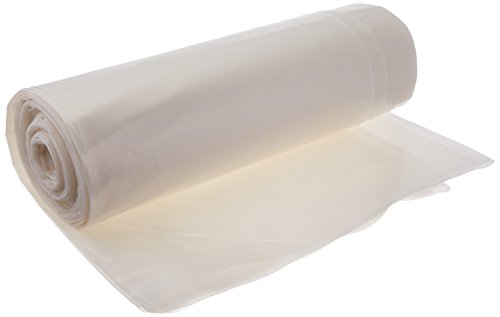
Amazon product
Frost King P1025/6W Polyethylene Sheeting, 10' x 25' x 6 mil., Clear
View on Amazon
Amazon product
American Bubble Boy Small Plus Bubble, 700 Square feet, 12" Wide, Perforated Every 12", Original Grade
View ProductFrost protection works best when it begins before temperatures fall. The goal is not to make the garden warm; it is to slow heat loss, block radiational cooling, keep protective materials from touching tender foliage where possible, and match the method to the plant and forecast.
These seven methods cover the situations most home gardeners face: a brief light frost, a harder overnight freeze, tender container plants, exposed raised beds, and valuable plants that need a protected structure. Forecasts are regional, so place a reliable thermometer where the plants actually grow and treat wind, duration, soil moisture, and microclimate as part of the decision.
Frost and a hard freeze are not the same problem
A light surface frost can form even when a nearby official reading stays above freezing. A prolonged freeze can chill leaves, stems, containers, and roots far more deeply. The longer and colder the event, the less a thin cover alone can accomplish.
Prepare materials before the temperature drops
Keep covers dry, label sensitive containers, secure hoops and anchors, and identify safe indoor or greenhouse space in advance. Never place an unsafe heat source under a cover or in an enclosed structure.
Monitor the plant-level forecast
Compare the regional forecast with a thermometer in the actual garden. Low spots, open sky exposure, wind breaks, paving, walls, and greenhouse glazing can produce very different plant temperatures.
Start with evenly moist soil
When appropriate for the crop and drainage, water the root zone earlier in the day so soil can store heat. Do not soak cold, poorly drained ground or wet foliage at night.
Cover plants before heat escapes
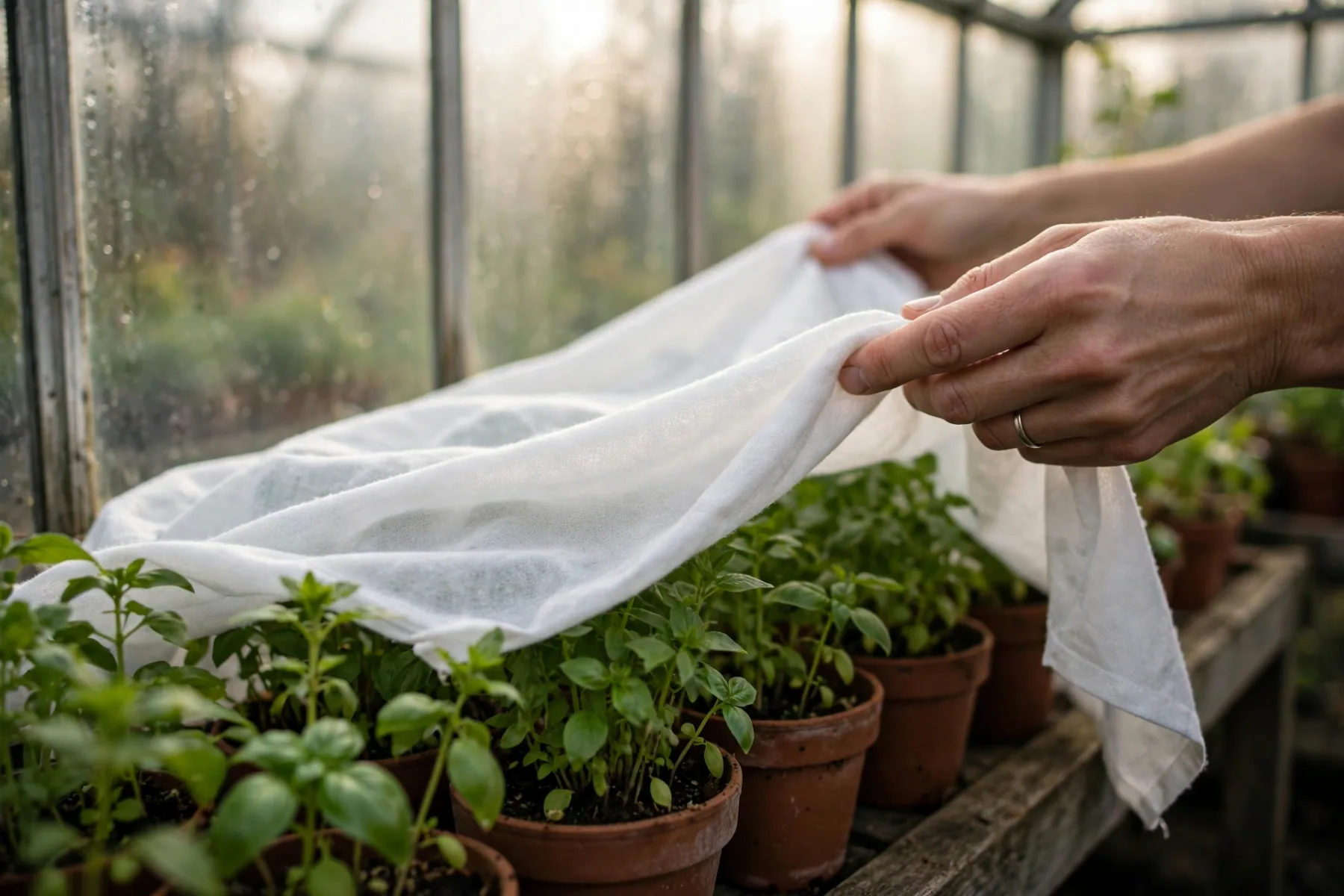
Install frost cloth, row cover, sheets, or another breathable garden material before sunset. Extend the cover to the ground to trap soil warmth and support it above tender foliage when possible.
Insulate roots and crowns
A suitable mulch layer reduces rapid temperature swings around roots and perennial crowns. Keep material arranged for drainage and avoid packing wet mulch tightly against rot-prone stems.
Move or group containers
Pots cool faster than the ground. Move tender containers into a protected, suitable space or group them near a sheltered wall, then insulate the container as well as the foliage.
Use a cold frame or greenhouse correctly
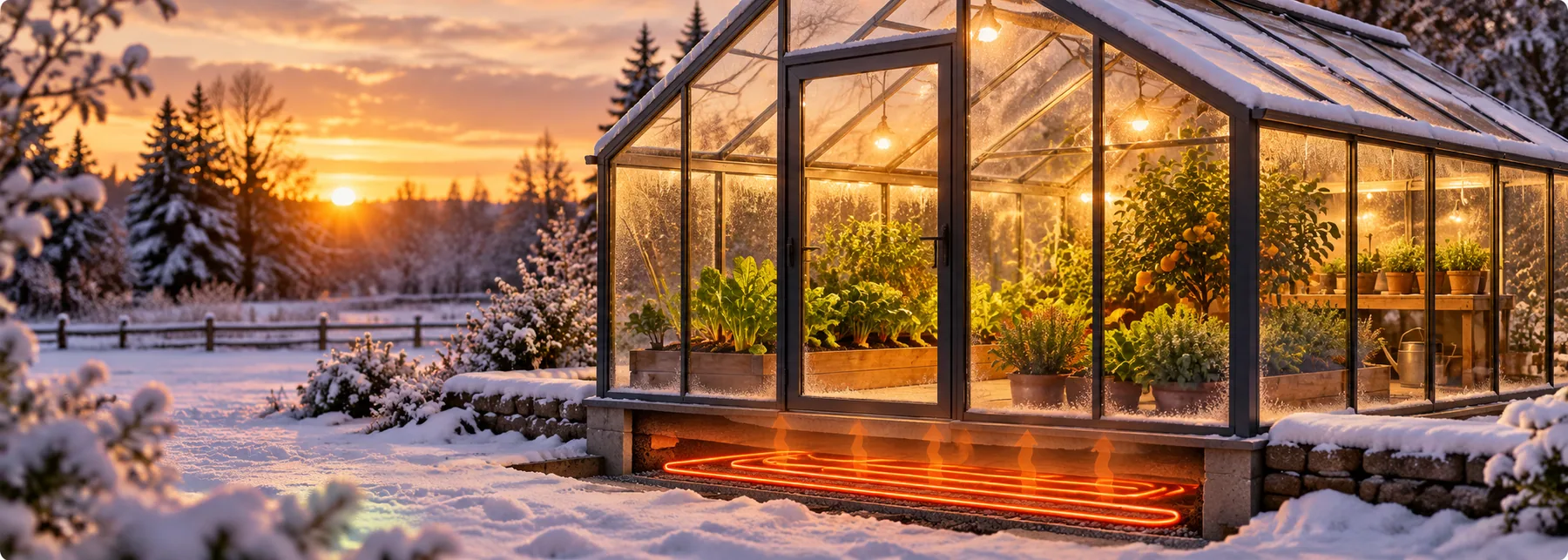
A protected structure blocks wind and slows heat loss, but an unheated greenhouse can still freeze. Monitor the interior and use only equipment rated and installed for that environment.
Wait before pruning freeze damage
After the event, allow frozen tissue to thaw naturally and assess it over several days. Dead outer growth may shield living tissue from another cold night, so avoid immediate heavy pruning.
Watch for: Electrical and fuel-burning heaters require manufacturer-approved installation, ventilation, clearances, and weather protection. Covers must never contact a hot appliance.
Match the Method to the Situation
Protection should become more substantial as temperature, wind, and exposure increase.
Frost cloth or row cover
A practical first layer for short cold events when it is installed early, secured to the ground, and supported over fragile plants.
Move tender containers
Best for tropical plants and small pots that can safely go to a bright indoor, garage, shed, cold-frame, or greenhouse location suited to the plant.
Cold frame or greenhouse
Useful for a collection or repeated cold nights, but it still needs temperature monitoring and a safe backup plan for deeper freezes.
Common Frost-Protection Mistakes
Waiting until plants are already frosted, using plastic directly on leaves, leaving covers open at the bottom, forgetting container roots, and keeping plants covered through warm daylight can all reduce the benefit of protection. Check every setup before dark and remove or vent protection when safe.
Plan ahead for the next cold night
Browse more Junecity greenhouse and seasonal garden guides.
Browse cold-weather guidesFrequently Asked Questions
At what temperature should I cover plants?
Use the plant's tenderness, microclimate, wind, and forecast duration rather than one universal threshold. Many tender plants need protection before air temperatures reach freezing.
Can plastic protect plants from frost?
Plastic can shed rain and wind, but direct contact may conduct cold to foliage and trapped condensation can cause problems. Support it above plants and use an inner fabric layer when appropriate.
Can I leave frost cloth on during the day?
Lightweight breathable covers may remain briefly in cool weather, but plants often need ventilation, light, and pollinator access once temperatures recover.
Should I prune frost-damaged leaves immediately?
Usually wait until tissue thaws and the extent of damage is clear. Dead material can also provide temporary protection if another freeze is expected.
 I’m Never Buying Garlic Again 🧄
 Protecting Your Banana Trees: Winter Care Tips
 Growing 11-Foot Banana Trees in Connecticut: A Comprehensive Guide
 How I Heat My Connecticut Greenhouse!
0 comments
Comments (0)
We love hearing from our community. Share your thoughts, questions, or experience.
Have something to add?
Log in to post, react, share images, and join threads.
Newest First
All Comments
Showing 0-0 of 0
Start the conversation.
Questions and first-hand experience are welcome here.