
How to Prune Niagara Grapes

Master the art of pruning Niagara grapes with this comprehensive guide, ensuring a bountiful harvest and healthy vines.
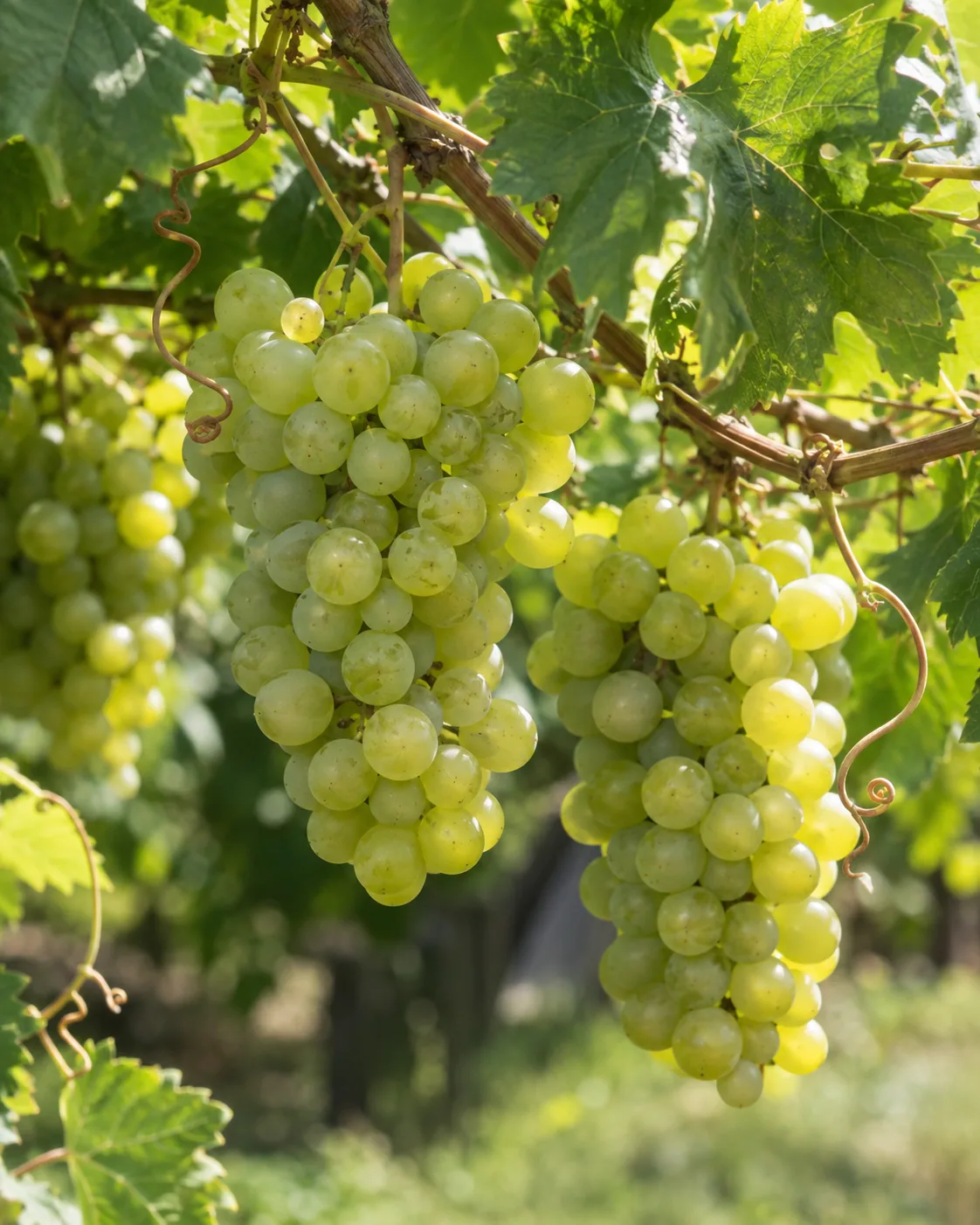
Pruning is an essential practice for maintaining healthy grapevines and ensuring a productive harvest. Niagara grapes, known for their sweet flavor and adaptability, require specific pruning techniques to thrive. This guide will walk you through everything you need to know about pruning your Niagara grape vines effectively.
Understanding Niagara Grapes
Niagara grapes are a popular variety known for their resilience and sweet taste, making them perfect for fresh eating and winemaking. Understanding their growth habits is crucial for effective pruning. These grapes grow on a trellis system, and proper pruning will help optimize sunlight exposure and air circulation.
In the wild, Niagara grapes naturally grow as vigorous vines that can reach significant heights. They tend to produce clusters of grapes that thrive when they receive adequate sunlight and air circulation. Hence, managing their growth through pruning is vital not only for fruit production but also for the overall health of the vine.
When to Prune
The ideal time to prune Niagara grapes is during the dormant season, typically late winter to early spring, before new growth begins. This timing helps minimize stress on the vines and encourages robust growth in the upcoming season.
Pruning during this period also allows you to identify the structure of the vine without the distraction of foliage. As the buds begin to swell in early spring, you can make more informed decisions about which canes to keep and which to remove.
Tools You Will Need
- Pruning Shears: Sharp and clean shears are necessary for making precise cuts. Ensure they are sterilized to prevent the spread of disease.
- Gloves: Protect your hands while handling vines, especially if you have sensitive skin.
- Pruning Saw: For thicker branches that cannot be cut with shears, a pruning saw will be necessary to make clean cuts.
- Disinfectant: A solution to clean your tools between cuts can help prevent the transmission of diseases.
Steps to Prune Niagara Grapes
- Assess the Vine: Examine your grapevine for dead or diseased wood. Look for canes that are one to two years old, which will be the most productive. Canes that are too old can become less fruitful over time, so it’s essential to recognize which ones to keep.
- Remove Dead or Diseased Wood: Cut away any canes that show signs of disease or damage to promote healthy growth. Look for signs of canker, which appears as lesions or dead patches on the wood.
- Thin the Canopy: Aim to leave about 4-6 healthy canes per vine, ensuring they are evenly spaced for optimal sunlight exposure. This spacing allows air to circulate freely, reducing the chances of fungal diseases.
- Cut Back Canes: Trim the selected canes to about 6-10 buds each to promote strong growth. Make cuts just above a bud and at a slight angle to encourage sap flow towards the remaining buds.
- Final Inspection: After pruning, step back and assess the vine. Ensure there is an open structure that allows for good air circulation. This visual check can help you identify areas that may need further trimming.
Common Mistakes to Avoid
- Over-Pruning: Removing too much can lead to weaker vines. Always leave enough canes for healthy growth. A good rule of thumb is to remove no more than 30% of the vine’s total growth in one season.
- Pruning at the Wrong Time: Pruning too early or late can stress the vine and affect fruit production. Late pruning can lead to frost damage on the new growth.
- Ignoring the Health of the Vine: Always assess the overall health of the vine. If it appears weak or stressed, consider adjusting your pruning strategy to support recovery.
Key Takeaways
- Optimal Timing: Prune during the dormant season for best results. This will support a healthy regrowth in spring.
- Tool Care: Use sharp and clean tools to prevent damage to the vines. Disinfect tools between cuts to avoid disease spread.
- Healthy Canopy: Maintain an open canopy for air circulation and sunlight exposure. This is crucial for fruit quality and vine health.
- Regular Monitoring: Keep an eye on your vines throughout the growing season, not just during pruning. Early detection of problems can save your harvest.
Conclusion
By following these steps and avoiding common mistakes, you can successfully prune your Niagara grapes, leading to healthier vines and a more bountiful harvest. Remember, pruning is both an art and a science; it requires practice and observation to master. Happy pruning!
Keep exploring
Find more Junecity guides
Browse practical gardening, outdoor living, and DIY articles.Browse the blogKeep growing
Suggested reading
Find the Clues. Win the Lemon Tree. 🍋
Join the Junecity.studio Treasure Hunt and learn how to care for your very own Meyer lemon seedling. Discover tips, tricks, and the best practices to grow and nurture this delightful citrus tree!

This One Grape Vine Started It All 🍇
Explore the journey of propagating grapevines from a single mother plant, and learn how to cultivate your own Niagara grapes at home for a fruitful harvest.
0 comments
Comments (0)
We love hearing from our community. Share your thoughts, questions, or experience.
Have something to add?
Log in to post, react, share images, and join threads.
Newest First
All Comments
Showing 0-0 of 0
Start the conversation.
Questions and first-hand experience are welcome here.