
I Built This Greenhouse Watering System for Under $30 🤯

Discover how to create an efficient and affordable greenhouse watering system using lightweight materials for under $30. This guide provides practical steps and insights for DIY enthusiasts.


At a glance
Key Takeaways
Cost-effective Solution
Building your own system can save you money and be tailored to your specific needs.

Efficiency
A lightweight system reduces physical strain during watering.
Customizable
You can easily modify your system as your greenhouse needs change.
Creating an efficient watering system for your greenhouse can be daunting, especially if you're concerned about costs. However, with a little creativity and the right materials, you can set up a functional greenhouse watering system for under $30. This article will guide you through the steps of building your own lightweight watering setup, utilizing a coil hose and quick-connect fittings for ease of use.
Why a Greenhouse Watering System Matters
Watering your greenhouse effectively is essential for maintaining healthy plants. A well-designed system can ensure that your plants receive the right amount of water without the hassle of dragging heavy hoses around. By building a lightweight watering system, you can save time, reduce physical strain, and promote better plant growth.
Moreover, a thoughtful watering system can help in reducing water wastage. By controlling the flow and distribution of water, you ensure that every drop counts, which is especially important in regions where water conservation is prioritized. This approach not only benefits your plants but also contributes to environmental sustainability.
Materials Needed
- Coil Hose (5/8 inch)
- Quick-Connect Fittings
- Shutoff Valves
- Wall-Mounted Hose Reel (optional for storage)
- Garden Hose Adapter
Step-by-Step Instructions
- Gather Your Materials: Ensure you have all the materials listed above. Measure the length of your greenhouse to determine how much hose you will need. A standard greenhouse may require anywhere from 50 to 100 feet of hose, depending on the layout and the number of plants you are watering.
- Install Quick-Connect Fittings: Attach the quick-connect fittings to the ends of your coil hose. This will allow for easy connections and disconnections when watering. Ensure that the fittings are compatible with your hose size to prevent leaks.
- Set Up Shutoff Valves: Install shutoff valves at convenient points along the hose to control the flow of water as needed. Position these valves near the entrance of the greenhouse for easy access. This will enable you to quickly shut off the water when moving around or adjusting your watering strategy.
- Mount the Hose Reel: If using a hose reel, mount it on the wall of your greenhouse to keep the hose organized and out of the way. This not only helps in keeping your workspace tidy but also prevents the hose from tangling, which can lead to wear and tear over time.
- Connect to Water Supply: Use a garden hose adapter to connect your system to the water supply. Ensure all connections are secure to prevent leaks. If your greenhouse is far from the main water source, consider using a longer hose or installing a permanent line for convenience.
- Test the System: Turn on the water and test your setup. Adjust the shutoff valves to find the optimal water flow for your plants. Observe how the water distributes across your greenhouse and make adjustments as necessary to ensure even coverage.
Common Mistakes to Avoid
- Not securing connections properly can lead to leaks, wasting water and potentially damaging your plants.
- Using a hose that is too long for your greenhouse can create unnecessary tangles and make maneuvering difficult.
- Forgetting to install shutoff valves may result in excessive water flow, potentially drowning your plants or creating a soggy environment conducive to disease.
- Overlooking the importance of testing your system can lead to discovering problems only after you’ve planted your crops, which can be frustrating and costly.
Maintenance Tips
To ensure your greenhouse watering system lasts, regularly check for leaks and clean the fittings and hoses. Store the hose properly when not in use to prevent kinks and damage. During the off-season, consider draining your system to avoid freezing and cracking in colder climates.
Additionally, inspect the quick-connect fittings and shutoff valves for wear and replace them as needed. Regular maintenance will help you avoid costly repairs and ensure your system runs efficiently throughout the growing season.
Choosing the Right Hose and Fittings
When selecting a coil hose, consider the material. PVC hoses are lightweight and flexible but may not withstand extreme temperatures. Rubber hoses, while heavier, offer greater durability and flexibility. Evaluate your greenhouse conditions to choose the best option.
Similarly, when selecting fittings, ensure they have a tight seal to prevent leaks. Look for fittings made from brass or heavy-duty plastic, as they are more durable and reliable than cheaper alternatives.
Cost-Effective Solutions
Building your own watering system can significantly reduce costs compared to purchasing pre-made systems. By sourcing materials from local hardware stores or online, you can find deals that fit your budget. Additionally, consider repurposing old hoses or fittings from previous gardening projects to minimize expenses.
Why DIY is the Best Option
Creating your own greenhouse watering system allows you to customize it according to your specific needs. It gives you the freedom to adjust the design as your greenhouse expands or your watering needs change. Furthermore, the satisfaction of building something with your own hands is a rewarding experience that enhances your gardening journey.
Key Takeaways
- Cost-effective Solution: Building your own system can save you money and be tailored to your specific needs.
- Efficiency: A lightweight system reduces physical strain during watering and helps in conserving water.
- Customizable: You can easily modify your system as your greenhouse needs change, ensuring it remains effective.
Conclusion
Creating a functional greenhouse watering system doesn't have to be expensive or complicated. By following these steps and considering the maintenance and material choices, you can build an efficient system for under $30 that will help you maintain a thriving greenhouse. Make the most out of your gardening experience by implementing an effective watering solution that saves you time and effort. Happy gardening!
Photos from this idea
Helpful products for this project
These products were matched to the materials, tools, and care steps discussed in the article.
- AQUA CREST RV Inline Hose Water Filter, Garden and Camper, NSF Certified, Greatly Reduces Chlorine, Bad Taste, Odor, 2 Pack with Hose Protector (Package May Vary) - View Product: 𝗔𝘂𝘁𝗵𝗼𝗿𝗶𝘁𝗮𝘁𝗶𝘃𝗲 𝗡𝗦𝗙 𝗰𝗲𝗿𝘁𝗶𝗳𝗶𝗲𝗱: As thousands of professional...
- GARDENA Retractable Garden Hose Reel - 50 Feet - Auto Retract Hose Reel with 180° Swivel Wall Mount - Heavy Duty - Includes Spray Nozzle - 20500 - View Product: Convenient watering: Give the 50 foot, high quality garden hose a short pull after...
- VEVOR Retractable Garden Hose Reel, 5/8 Inch x 100 ft Wall Mounted Hose Reel, Heavy Duty Garden Hose Reel with 9 Patterns Nozzle, Any Length Lock, Upgraded Slow Return System and 180°Swivel Bracket - View Product: Wide Coverage: With a 100 ft hose and 6 ft lead hose, this hose reel covers up to...
- SIGURANTA RV Winterize/Winterization Blowout Adapter - Brass with Ball Valve, 1/4" Male Quick Connect to 3/4" Male & Female GHT Garden Hose Thread - View Product: Product includes: Male & Female 2-Piece Set * 1, Leak-Proof Washers * 2...
- 5-Gallon White Bucket Pail Container with Lid | Food Grade | Heavy-Duty Approx 90 MIL Extra Durable | Metal Handles with Plastic Grip | Multi-Use | Easy Stack and Store | BPA Free - 6 Pack - View Product: MULTI-USE: Make storage a breeze with these multi-purpose 5-gallon buckets.
Source: Watch the original YouTube Short.
Keep exploring
Ready to Build Your System?
Start your DIY journey today and transform your greenhouse watering experience.Explore More Projects
Keep growing
Suggested reading
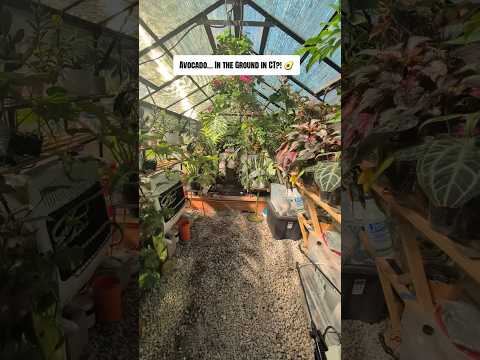
Can I Grow an Avocado Tree in the Ground in Connecticut?
Discover the ins and outs of growing an avocado tree in Connecticut, including suitable conditions, care tips, and potential challenges.
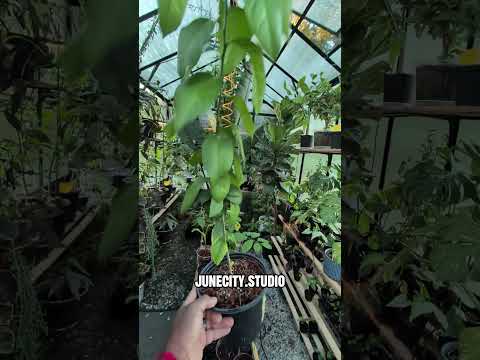
Find the Clues. Win the Lemon Tree. 🍋
Join the Junecity.studio Treasure Hunt and learn how to care for your very own Meyer lemon seedling. Discover tips, tricks, and the best practices to grow and nurture this delightful citrus tree!
5 comments
Comments (5)
We love hearing from our community. Share your thoughts, questions, or experience.
Have something to add?
Log in to post, react, share images, and join threads.
Newest First
All Comments
Showing 1-2 of 2
Veronica Harvey
VerifiedAug 19, 2026
I am getting my first greenhouse soon, I have gotten so much inspiration and I can’t wait to try some of your ideas in my greenhouse!
View 2 repliesHide replies
Andre
Aug 19, 2026
Thats exciting. Are you planning to have it heated?
Veronica Harvey
Aug 28, 2026
I live in zone 4 so I thought about buying a pellet stove to heat it!
Sean
VerifiedAug 14, 2026
Hey man, just wanted to say I love what you're doing! Keep up the good work!
View 1 replyHide replies
Andre
Aug 14, 2026
Than you my friend. I appreciate you stopping by the site