
I Found a Tiny Toad in My Water Feature 🐸❤️
Discover the joy and importance of finding wildlife like tiny toads in your garden water features. This article explores how to create a welcoming habitat for these beneficial creatures.


At a glance
Key Takeaways
Toads are Essential
Toads help control pests naturally, reducing the need for chemicals.

Create a Welcoming Habitat
Provide a shaded, clean water feature with hiding spots for toads.

Avoid Chemicals
Use natural methods for pest control to protect toads.
The sight of a tiny toad nestled in your garden water feature can bring a smile to any gardener's face. Not only are these little amphibians adorable, but they also play a crucial role in your garden's ecosystem. In this article, we will delve into the significance of such discoveries and provide practical tips for creating and maintaining a toad-friendly habitat in your garden.
Why Toads Matter in Your Garden
Toads are natural pest controllers, consuming insects that can harm your plants. By inviting them into your garden, you can reduce the need for chemical pesticides and promote a healthier environment. Here are some reasons why toads are beneficial:
- Pest Control: Toads eat a variety of pests, including slugs, beetles, and mosquitoes. Their diet helps keep pest populations in check, which is particularly important for maintaining the health of your plants.
- Soil Health: Their activities help aerate the soil and enrich it with organic matter, contributing to a balanced ecosystem that supports plant growth.
- Indicator Species: The presence of toads can indicate a healthy environment. If your garden attracts these amphibians, it suggests that your ecosystem is thriving and free from harmful pollutants.
Creating a Toad-Friendly Water Feature
Toads thrive in environments that mimic their natural habitats. Here’s how to ensure your water feature is a welcoming place for them:
1. Choose the Right Location
When planning your water feature, consider placing it in a shady area. Toads prefer cooler environments that provide respite from the sun. Surrounding the water feature with native plants will not only enhance its aesthetic appeal but also provide cover and food sources for toads and other wildlife.
2. Add Hiding Spots
Incorporate rocks, logs, or aquatic plants to create hiding spots for toads. These places offer shelter from predators and harsh weather conditions. You can use flat stones to create platforms above the water, allowing toads to bask in the sun while still having a quick escape route back to the water.
3. Ensure Clean Water
Maintaining clean water in your feature is crucial to prevent harmful algae and bacteria. Regularly check and clean the water to keep it fresh and inviting. If your water feature is large enough, consider introducing a small fountain or a pump to keep the water circulating, which will help maintain its cleanliness and oxygen levels.
4. Avoid Chemicals
Minimize the use of pesticides and herbicides around your water feature to protect the toads and other wildlife. Instead, opt for organic pest control methods, such as introducing beneficial insects or using natural repellents that won’t harm amphibians.
5. Provide a Gradual Slope
Ensure that the edges of your water feature have a gentle slope, allowing toads easy access to the water without fear of drowning. Steep edges can trap toads and prevent them from accessing the water, so consider using gravel or sand to create a gradual incline.
Common Mistakes to Avoid
Creating a habitat for toads can be rewarding, but there are common pitfalls to watch out for:
- Over-cleaning: While it’s important to keep water clean, excessive cleaning can disrupt the balance of the ecosystem. Allow natural processes to occur and only intervene when necessary.
- Using Chemicals: Avoid applying fertilizers or pesticides near the water source, as these can be toxic to amphibians and other wildlife.
- Lack of Vegetation: Ensure there is enough natural vegetation around the water feature; this is crucial for providing food and shelter for toads and other beneficial creatures.
Maintenance Tips for Your Water Feature
Regular maintenance will ensure that your water feature remains a safe haven for toads:
- Check water levels regularly and refill as needed, especially during dry spells.
- Remove debris and fallen leaves to prevent stagnation, which can lead to algae growth.
- Monitor for signs of algae growth and treat it promptly using natural methods to avoid harming wildlife.
- Inspect for any signs of disease or distress in the toad population, such as lesions or unusual behavior.
- Occasionally, check for any unwanted pests or predators that may threaten the toad population.
Encouraging More Wildlife in Your Garden
In addition to creating a toad-friendly environment, consider ways to attract other beneficial wildlife to your garden:
1. Plant Native Flora
Native plants provide food and habitat for a variety of wildlife, including birds, butterflies, and beneficial insects. By choosing plants that are indigenous to your area, you can create a thriving ecosystem that supports local biodiversity.
2. Create Additional Water Sources
In addition to your main water feature, consider adding smaller water sources, such as bird baths or shallow dishes filled with water. These will attract a wider range of wildlife and provide drinking sources for birds and other animals.
3. Build Insect Hotels
Insect hotels are structures that provide shelter for beneficial insects like bees, ladybugs, and lacewings. These insects play important roles in pollination and pest control, making them valuable allies in your garden.
4. Avoid Monoculture Planting
Monocultures, or planting a single type of plant, can limit the diversity of wildlife that visits your garden. Aim for a variety of plant species to create different layers of habitat and attract a diverse array of creatures.
Conclusion
Finding a tiny toad in your water feature is a delightful reminder of nature's wonders. By creating a welcoming environment, you not only support these charming creatures but also enhance the health of your garden. Embrace the joy of wildlife and let these little helpers thrive in your outdoor space!
Photos from this idea
Helpful products for this project
These products were matched to the materials, tools, and care steps discussed in the article.
- Just Good Soil Essential Nutrient Protocol - 3-Step Soil Food System for Organic & Regenerative Gardening, Organic Plant Food & Soil Enhancer for Home Gardening - Sprout_01, Rise_02 & Replenish_03 - View Product: COMPLETE 3-STEP SOIL FOOD SYSTEM: Includes Sprout_01 Soil Life Kickstarter...
- Zevo Flying Insect Trap - Plug-in Indoor Fly Trap and Bug Light Trap Refill with Blue and UV Light - No-Mess Cartridge for House Flies, Fruit Fly Trap and Gnats (1 Plug-in Base and 3 Cartridges) - View Product: Catch Flying Insects 24/7: This plug-in flying insect trap uses blue and UV light...
- DiatomaceousEarth Food Grade Diatomaceous Earth – 10lb | 100% Organic, All-Natural Powder | Safe for Humans & Pets | OMRI Listed for Organic Use - View Product: ✅ OMRI Listed for Organic Use – Certified by the Organic Materials Review...
- 5-Gallon White Bucket Pail Container with Lid | Food Grade | Heavy-Duty Approx 90 MIL Extra Durable | Metal Handles with Plastic Grip | Multi-Use | Easy Stack and Store | BPA Free - 6 Pack - View Product: MULTI-USE: Make storage a breeze with these multi-purpose 5-gallon buckets.
Source: Watch the original YouTube Short.
Keep exploring
Ready to Create Your Own Toad-Friendly Habitat?
Explore more tips and resources to enhance your garden's ecosystem.Learn More
Keep growing
Suggested reading

A Jamaican Favorite Is Blooming in Connecticut! 🇯🇲
Discover how to grow the delicious naseberry tree in Connecticut, embracing a piece of Jamaican culture right in your backyard. Learn about the unique conditions, care tips, and the joy of witnessing this tropical fruit bloom in northern climates.
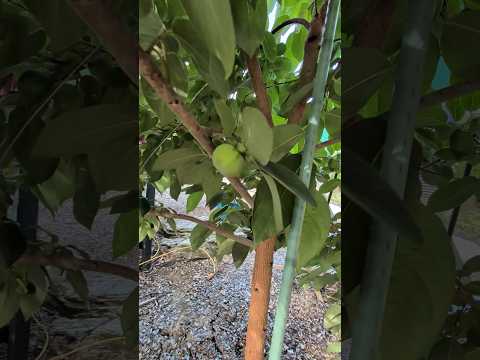
My Persimmon Tree FINALLY Produced! 👀
After three years of care, my persimmon tree has finally produced fruit! Join me as I share the journey, tips for growing persimmons, and what to expect as these fruits ripen in Connecticut.
0 comments
Comments (0)
We love hearing from our community. Share your thoughts, questions, or experience.
Have something to add?
Log in to post, react, share images, and join threads.
Newest First
All Comments
Showing 0-0 of 0
Start the conversation.
Questions and first-hand experience are welcome here.