
🍎 I Grafted My Honeycrisp as Insurance… IT WORKED!
Discover the art of grafting as we explore how to successfully graft a Honeycrisp apple tree onto a Yellow Delicious as a backup. Learn the essential techniques, tools, and tips for successful grafting in your own garden.

At a glance
Key Takeaways
Grafting Provides Backup
Grafting allows you to create a backup of your favorite fruit trees, ensuring their survival and productivity.

Technique Matters
Using proper technique when grafting is crucial for ensuring a successful union between the scion and rootstock.
Care After Grafting
Proper post-grafting care, including watering and pest monitoring, is essential for the success of your graft.
Grafting can be a game-changer in the world of gardening, especially for fruit trees. If you're looking to ensure the survival and productivity of your apple trees, grafting is an excellent technique to master. In this post, we'll explore how I grafted my Honeycrisp apple tree onto a Yellow Delicious as a backup, and share practical tips and insights to help you do the same.
Why Graft?
Grafting is a horticultural technique that involves joining two plants together so that they grow as one. This method is particularly useful for:
- Preserving Varieties: Grafting allows you to propagate a specific variety of fruit tree that you love, ensuring its characteristics are maintained. This is especially important for heirloom varieties that may not produce true-to-type seedlings.
- Improving Resilience: By grafting onto a hardier rootstock, you can enhance the tree's resistance to diseases, pests, and environmental factors. This can lead to healthier trees and better fruit production.
- Maximizing Space: You can grow multiple varieties on a single tree, which is ideal for limited garden space. This method allows gardeners to create a diverse fruit tree that can yield different types of apples from a single trunk.
Tools and Materials Needed
Before you start grafting, gather the necessary tools and materials:
- Grafting Knife: A high-quality grafting knife is essential for making clean cuts. Look for one with a sharp blade and a comfortable handle for precision work.
- Grafting Tape: This helps secure the graft and protect it from moisture loss. Opt for flexible, stretchable tape that can conform to the shape of the graft.
- Metal Zip Ties: These can be used as an alternative to grafting tape for added security. They are especially useful in windy conditions where extra hold is needed.
- Pruning Shears: Useful for trimming the scion and rootstock to prepare them for grafting. Choose a pair that is sharp and easy to maneuver.
- Grafting Wax or Sealant: This optional material can be applied to the graft area to help seal it and prevent moisture loss. It can also protect the graft from pests and diseases.
Steps to Graft Your Honeycrisp Apple Tree
- Select Your Scion: Choose a healthy branch from your Honeycrisp apple tree. It should be about the thickness of a pencil and have several buds. Make sure the scion is vigorous and healthy, as this will increase the chances of successful grafting.
- Prepare the Rootstock: Select a compatible rootstock, such as Yellow Delicious. Make a clean cut at an angle to create a smooth surface for grafting. Ensure that the rootstock is healthy and well-established to support the new growth.
- Make the Cut on the Scion: Cut the bottom of the scion at a matching angle to fit snugly against the rootstock. This cut should be made with precision to maximize the contact area between the two plants.
- Join the Scion and Rootstock: Align the cambium layers (the green layer just beneath the bark) of both pieces as closely as possible. This alignment is crucial for the successful transfer of nutrients and growth between the scion and rootstock.
- Secure the Graft: Use grafting tape or metal zip ties to hold the scion and rootstock together tightly. Make sure the binding is firm but not too tight, as this could damage the tissues.
- Seal the Graft: Optionally, apply grafting wax or sealant to prevent moisture loss. This step helps to protect the graft from drying out and reduces the risk of infection.
Care After Grafting
Once you have successfully grafted your Honeycrisp apple tree, it's essential to provide proper care:
- Watering: Keep the grafted area moist but not overly wet. Water regularly to support growth, especially during dry spells. The soil should be well-draining to prevent waterlogging, which can lead to root rot.
- Sunlight: Ensure the graft receives adequate sunlight, but protect it from harsh afternoon rays. A bit of shade during the hottest part of the day can help prevent stress on the young graft.
- Monitor for Pests: Keep an eye out for any signs of pests or diseases that could jeopardize the graft. Regular inspections can help catch problems early, allowing you to take action quickly.
- Remove Weeds: Weeds can compete for nutrients and water, so keep the area around the graft free from weeds. This will help your grafted tree establish itself more effectively.
- Fertilization: After a few weeks, you may consider applying a balanced fertilizer to encourage healthy growth. Be cautious not to over-fertilize, as this can harm the plant.
Common Mistakes to Avoid
Grafting can be tricky, but avoiding these common mistakes can significantly improve your success rate:
- Improper Alignment: Always ensure that the cambium layers are aligned perfectly. Misalignment can lead to graft failure as the two plants may not fuse properly.
- Using Dull Tools: Make sure your grafting knife is sharp to minimize damage to the plants. Dull tools can crush plant tissues, making successful grafting more difficult.
- Neglecting Care: Post-grafting care is crucial; don’t forget to water and monitor your plant. A lack of attention during this stage can lead to failure.
- Grafting at the Wrong Time: Timing is key in grafting. Ideally, grafting should be done in late winter or early spring when the plants are still dormant but ready to grow.
- Ignoring Environmental Conditions: Grafting in extreme weather conditions can lead to failure. Aim for a calm day with moderate temperatures to maximize success.
Conclusion
Grafting is a rewarding skill that can enhance your apple orchard or home garden. By following the steps outlined in this guide and avoiding common pitfalls, you can successfully graft your Honeycrisp apple tree and enjoy delicious fruits for years to come. Remember, patience and practice are key. As you gain experience, you'll become more adept at this art, allowing you to expand your fruit tree collection and enjoy the fruits of your labor. Happy grafting!
Photos from this idea
Helpful products for this project
These products were matched to the materials, tools, and care steps discussed in the article.
- MEPEREZ Premium Pruning Shears For Gardening, Work 3 Times Easier, Pruners Heady Duty, Sharp Garden Clippers Cuting Florist Flower, Hedge, Herb, Rose, Indoor Live Plants, Arthritis Weak Hand Snips - View Product: 🎁STRONG CONSTRUCTION, DURABLE, SHARP FOR A LONG TIME: Made of premium materials...
- Metal Zip Ties,100 Pcs 11.8 Inch,304 Stainless Steel Zip Ties Multi-purpose Metal Cable Ties-Suitable for Outdoor Chain Link Fence and Exhaust Wrap Zip Ties - View Product: HIGH QUALITY: Our metal zip ties are made of high-quality 304 stainless steel...
- NAYE Grafting Gardening Knife,2-5/8" Curved Straight Blades Garden Knife for Budding Pruning,with Grafting Tape Plant Labels/Tree Tags - View Product: Razor sharp curved/straight two blade pocket grafting knife.
- Armpow 12 Inch Zip Ties Black 1000 PCS, 60 Lbs- Heavy Duty Tensile Strength, Nylon PA66 UV Resistant Cable Ties for Indoor and Outdoor Use - Ideal for object bundling and fastening - View Product: 【Zip Tie Details】 Specifications Length: 12in | Width: 0.18in | Maximum Diameter...
- BN-LINK Durable Seedling Heat Mat for Seed Starting 10" x 20.75", Waterproof Warming Mat Plant Heating Pad for Seed Germination, Indoor Growing, Hydroponic, Greenhouse, ETL Listed - View Product: IDEAL GERMINATION TEMPERATURE: The BN-LINK seedling heat mat helps maintain...
Source: Watch the original YouTube Short.
Keep growing
Suggested reading
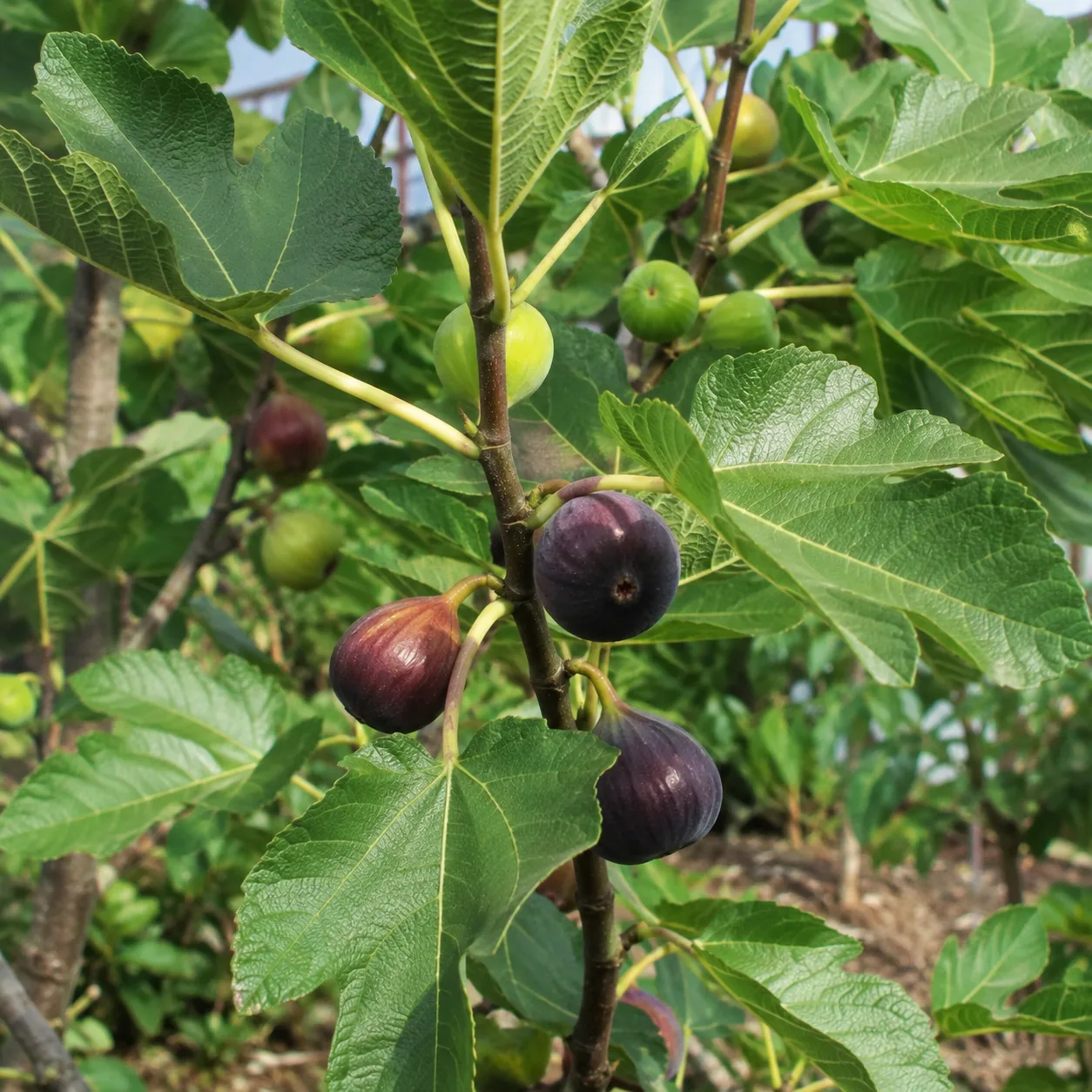
How to Grow Figs: From Planting to a Sweet Harvest
Learn how to successfully grow a healthy fig tree from planting to harvest, including watering, pruning, fertilizing, winter protection, and propagation.

The Garden Didn’t Get the Memo That Summer Is Over 😂🍅🌶️
Even as September rolls in, your garden keeps delivering a bountiful harvest. Discover tips for managing late-season crops and ensuring your vegetable garden thrives well into fall.
0 comments
Comments (0)
We love hearing from our community. Share your thoughts, questions, or experience.
Have something to add?
Log in to post, react, share images, and join threads.
Newest First
All Comments
Showing 0-0 of 0
Start the conversation.
Questions and first-hand experience are welcome here.