
I Harvested the Nectarines AND the Tree! 😳🍑

Discover the fascinating process of air layering a nectarine tree, allowing you to harvest fruit while simultaneously growing a new tree.


At a glance
Key Takeaways

Harvest While You Grow
Air layering allows you to harvest nectarines from the parent tree while growing a new tree simultaneously.

Higher Success Rate
This method generally results in a higher success rate compared to traditional cutting methods.
Air layering is a remarkable propagation technique that allows gardeners to grow new plants from existing branches while still enjoying the fruits of their labor. In this post, we'll explore how to successfully air layer a nectarine tree, ensuring you can harvest delicious nectarines while cultivating a new tree at the same time.
Understanding Air Layering
Air layering is a plant propagation method that encourages a branch to develop roots while still attached to the parent plant. This technique is particularly beneficial for fruit trees like nectarines, as it allows the original tree to continue producing fruit while the new roots form.
Benefits of Air Layering for Nectarines
- Simultaneous Harvest: You can enjoy the fruit from the parent tree while growing a new tree.
- Higher Success Rate: Air layering often results in a higher success rate compared to other propagation methods like cuttings.
- Preservation of Genetics: The new tree is genetically identical to the parent, ensuring the same fruit quality.
Step-by-Step Guide to Air Layering a Nectarine Tree
- Choose a Healthy Branch: Select a healthy, flexible branch that is at least one year old and has good fruiting potential.
- Prepare the Branch: Make a circular cut about one-third through the branch, just below a leaf node. This will help stimulate root growth.
- Apply Rooting Hormone: Dust the cut area with rooting hormone to encourage root formation.
- Wrap with Sphagnum Moss: Cover the cut area with moist sphagnum moss, ensuring it stays hydrated throughout the process.
- Secure with Plastic Wrap: Wrap the moss in plastic wrap to maintain moisture and warmth, securing both ends tightly.
- Wait for Roots to Form: Monitor the wrapped area for about 4-6 weeks. Once roots are visible through the moss, it's time to cut the branch free.
- Plant the New Tree: Carefully cut the branch below the new roots and transplant it into a pot or directly into the ground.
Common Mistakes and Troubleshooting
- Insufficient Moisture: If the moss dries out, the rooting process may fail. Ensure the moss remains moist throughout the rooting period.
- Poor Wrapping Technique: Loose wrapping can expose the roots to air, hindering their development. Make sure the plastic wrap is secure.
Conclusion and Next Steps
Air layering is an excellent method for propagating nectarines while enjoying their fruits. By following these steps and avoiding common pitfalls, you can successfully create a new tree from your existing one. Happy gardening!
Photos from this idea

Source: Watch the original YouTube Short.
Keep exploring
Explore More Gardening Projects
Check out our gardening projects and tips to enhance your skills.View Projects
Keep growing
Suggested reading

Tomorrow Decides Who Wins the Lemon Tree 🍋
Explore the strategy behind winning a lemon tree in a competitive treasure hunt. Learn tips for caring for your own lemon plants and optimizing their growth.
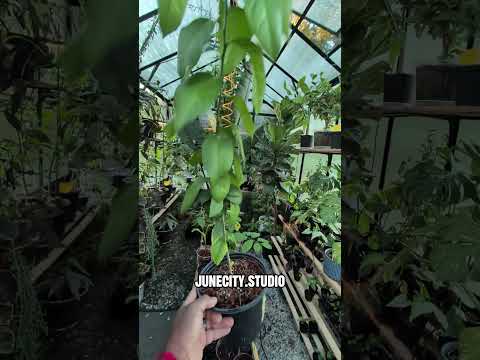
Find the Clues. Win the Lemon Tree. 🍋
Join the Junecity.studio Treasure Hunt and learn how to care for your very own Meyer lemon seedling. Discover tips, tricks, and the best practices to grow and nurture this delightful citrus tree!
1 comments
Comments (1)
We love hearing from our community. Share your thoughts, questions, or experience.
Have something to add?
Log in to post, react, share images, and join threads.
Newest First
All Comments
Showing 1-1 of 1
Heather Ferreira
VerifiedJul 25, 2026
This is very interesting