
I’m Selling Cuttings From My Giant Golden Pothos

Explore the process of propagating and selling cuttings from your Golden Pothos. Learn tips for successful propagation, care, and how to ensure your cuttings thrive.

At a glance
Key Takeaways

Easy Propagation
Golden Pothos can be easily propagated in water or soil, making it a perfect plant for beginners.

Optimal Conditions
Provide warm temperatures and bright, indirect light to encourage root growth.

Common Mistakes
Avoid overwatering and ensure your tools are sharp for clean cuts.
Selling Your Cuttings
Market your rooted cuttings effectively to attract buyers and ensure they thrive.
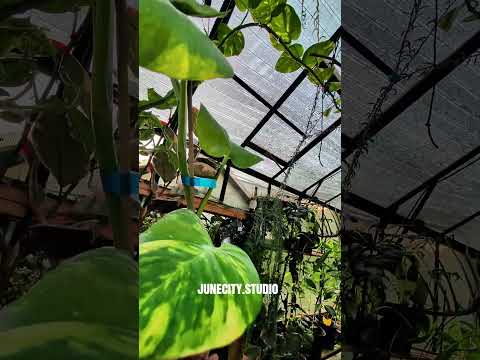
Golden Pothos (Epipremnum aureum) is not only a stunning houseplant but also an incredibly popular choice for propagation. With its beautiful trailing vines and heart-shaped leaves, this plant can be easily propagated from cuttings. In this article, we will explore the step-by-step process of taking cuttings from your Golden Pothos and tips for successful rooting.
Why Propagate Golden Pothos?
Propagating Golden Pothos offers several benefits:
- Cost-Effective: Instead of purchasing new plants, propagate from existing ones to expand your collection. This not only saves money but also allows you to enjoy the satisfaction of growing your own plants.
- Gift Potential: Share your love of plants by gifting rooted cuttings to friends and family. A beautifully packaged cutting can make a thoughtful gift for any plant lover.
- Healthy Growth: Removing cuttings can encourage bushier growth in the parent plant. This helps maintain the vigor of the original plant while also providing you with new plants.
- Environmental Benefits: Growing plants can help improve air quality in your home, making it a healthier environment.
When to Take Cuttings
The best time to take cuttings from your Golden Pothos is during the growing season, typically in spring or summer. This is when the plant is actively growing and will have a better chance of rooting successfully. Taking cuttings during dormancy in fall or winter can lead to unsuccessful propagation due to the plant's reduced metabolic activity.
Materials Needed
- Sharp scissors or pruning shears to make clean cuts
- Container with water or potting soil, depending on your preferred propagation method
- Clonex Rooting Gel (optional, but recommended for better results) to promote root development
- Heat mat (optional for optimal rooting conditions) to provide consistent warmth
- Clear plastic bag or humidity dome (optional) to maintain humidity
Steps for Propagating Golden Pothos Cuttings
- Select a Healthy Stem: Choose a healthy stem with at least 4-6 leaves. Ensure it is free of disease or pests. Look for stems that are firm and vibrant in color.
- Make the Cut: Using sharp scissors, cut just below a node (the point where a leaf meets the stem). This is crucial as roots will emerge from the node. A clean cut reduces stress on the plant and promotes faster healing.
- Prepare the Cutting: Remove the lower leaves, leaving 2-3 leaves on the cutting. This helps the cutting focus its energy on root development while also minimizing moisture loss. It's important to avoid having leaves submerged in water, as this can lead to rot.
- Rooting Method: You can propagate in water or directly in soil. For water propagation, place the cutting in a jar of water, ensuring the node is submerged. For soil propagation, dip the cut end in Clonex Rooting Gel and plant it in moist potting soil, which will provide nutrients to the cutting.
- Provide Optimal Conditions: If using water, change the water every few days to keep it fresh and oxygenated. If using soil, keep it lightly moist but not soggy. A heat mat can help maintain warm temperatures (around 70°F to 85°F) for better rooting.
- Wait for Roots: Within a few weeks, you should see roots starting to develop. If propagating in water, once the roots are about 2-3 inches long, you can transfer the cutting to soil. Keep an eye on the cutting, as roots may take longer to develop in colder temperatures.
- Care for Your New Plant: Once potted, care for your new plant as you would any Golden Pothos, providing bright, indirect light and watering when the top inch of soil is dry. Monitor the moisture levels to ensure the plant thrives.
Common Mistakes to Avoid
- Using Dull Tools: Always use sharp scissors or shears to make clean cuts, which reduces the risk of damage to the plant. Dull tools can crush the stem and make it more difficult for the cutting to take root.
- Overwatering: Ensure that your cuttings do not sit in waterlogged conditions, as this can lead to rot. If propagating in soil, use a well-draining mix and be cautious not to overwater.
- Insufficient Light: Place your cuttings in a spot with bright, indirect light to encourage healthy growth. Direct sunlight can scorch the leaves of young cuttings.
- Neglecting Humidity: Young cuttings benefit from higher humidity levels. If your environment is dry, consider using a clear plastic bag or humidity dome to retain moisture.
- Forgetting to Fertilize: Once your cuttings are established, they will benefit from regular feeding. Use a diluted liquid fertilizer every month to promote healthy growth.
Conclusion
Propagating Golden Pothos cuttings is a rewarding and straightforward process that can enhance your indoor garden. By following these steps and avoiding common pitfalls, you can successfully grow new plants from your existing Pothos. Whether you’re looking to expand your own collection or share with friends, these cuttings are sure to thrive. Remember that patience is key, as rooting can take time, but the results are well worth the wait.
Next Steps
Once your cuttings have rooted and are established, you can consider how to sell them. Here are a few tips:
- Market Your Plants: Use social media platforms or local gardening groups to showcase your cuttings. High-quality photos and descriptions can attract buyers.
- Set a Fair Price: Research local prices for similar plants to ensure your pricing is competitive.
- Offer Care Instructions: Providing care instructions with your cuttings can enhance customer satisfaction and encourage repeat business.
- Attend Local Markets: Consider selling at local farmers' markets or plant fairs to reach a wider audience.
Photos from this idea
Helpful products for this project
These products were matched to the materials, tools, and care steps discussed in the article.
- Clonex Rooting Gel - High-Performance Rooting Compound for Plant Cuttings, Contains IBA, Promotes Root Initiation & Development - 100ml - View Product: HIGH-PERFORMANCE ROOTING GEL - Clonex Rooting Gel is a water-based formula with...
- BN-LINK Durable Seedling Heat Mat for Seed Starting 10" x 20.75", Waterproof Warming Mat Plant Heating Pad for Seed Germination, Indoor Growing, Hydroponic, Greenhouse, ETL Listed - View Product: IDEAL GERMINATION TEMPERATURE: The BN-LINK seedling heat mat helps maintain...
- 4" Alocasia ‘Red Secret’ – Fully Rooted Cutting - Checkout: Add bold tropical color to your collection with Alocasia ‘Red Secret’, known for...
- 8” Golden Pothos Live Plant – Easy-Care Indoor Houseplant - Checkout: Bring fresh greenery indoors with a beautiful Golden Pothos (Epipremnum aureum).
- HQAUT 10/8/6/5 Inch Large Clear Nursery Pots with Drainage Holes, 16 Pack Gallon Clear Plastic Pots for Plants, Seedling Starter Pot, Garden Plant Pots for Succulents Flowers - View Product: Variety Pack Nursery Pots : You will get 5/6/8/10 inch plant pots (4 of each...
Source: Watch the original YouTube Short.
Keep exploring
Ready to Start Your Plant Journey?
Explore our collection of houseplants and propagation supplies to get started today!Shop NowKeep growing
Suggested reading

My Backyard Tomato Factory Is Out of Control 🍅
Discover how to maximize your tomato harvest with effective trellising and care strategies. This guide covers everything from plant support to common mistakes, ensuring a bountiful yield.

A Jamaican Favorite Is Blooming in Connecticut! 🇯🇲
Discover how to grow the delicious naseberry tree in Connecticut, embracing a piece of Jamaican culture right in your backyard. Learn about the unique conditions, care tips, and the joy of witnessing this tropical fruit bloom in northern climates.
0 comments
Comments (0)
We love hearing from our community. Share your thoughts, questions, or experience.
Have something to add?
Log in to post, react, share images, and join threads.
Newest First
All Comments
Showing 0-0 of 0
Start the conversation.
Questions and first-hand experience are welcome here.