
Morning Walk Through My Backyard Food Forest
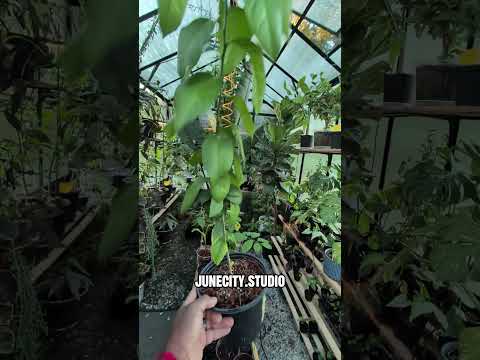
Explore the tranquility of an early morning stroll through a backyard food forest filled with fruit trees, vegetables, and peaceful spots for breakfast.


At a glance
Key Takeaways

Embrace Morning Walks
Starting your day with a walk in the garden enhances mindfulness and connection to nature.
Diversity in Planting
Plant a variety of fruits and vegetables to create a balanced ecosystem.

Create a Relaxing Space
Incorporate cozy spots in your garden for relaxation and enjoyment.
Introduction
There’s something magical about starting the day with a morning walk through your garden. The fresh air, the dew on the leaves, and the gentle sounds of nature create an atmosphere of peace and tranquility. In this article, we will take a closer look at the experience of walking through a backyard food forest, highlighting the various fruits and vegetables that thrive in this serene environment.
Why a Food Forest?
A food forest is not just a garden; it’s a sustainable ecosystem designed to mimic the natural environment. By incorporating a variety of plants—including fruit trees, vegetables, and herbs—you can create a self-sustaining space that provides food and beauty throughout the year. The practice of cultivating such a garden enhances biodiversity, promotes soil health, and encourages beneficial wildlife.
The Benefits of Walking Through Your Garden
- Connection to Nature: Engaging with your garden first thing in the morning helps foster a deeper connection to nature.
- Mindfulness: Walking through your garden promotes mindfulness, allowing you to appreciate the beauty around you and reflect on your gardening journey.
- Inspiration: Observing the growth and changes in your plants can inspire new gardening ideas and projects that enhance your outdoor space.
- Physical Activity: A morning walk provides gentle exercise that can boost your mood and set a positive tone for the day.
Key Features of My Backyard Food Forest
Fruit Trees
My backyard food forest features a variety of fruit trees that serve as the centerpiece of this tranquil environment. Some of the key highlights include:
- Pears: The pear trees offer sweet, juicy fruit that is perfect for snacking or cooking. Their fragrant blossoms in spring attract pollinators, making them a great addition to any garden.
- Apples: Apple trees provide a bountiful harvest in late summer to fall. With numerous varieties to choose from, you can enjoy crisp eating apples, sweet baking apples, or even cider-making apples.
- Grapes: Clusters of grapes hanging from the vines add a touch of elegance to the garden. Besides being delicious fresh, they can be used to make jams, jellies, and wines.
Each tree adds not only beauty but also a bounty of fresh fruit for family and friends to enjoy, creating cherished moments of gathering and sharing.
Vegetable Patch
Alongside the fruit trees, I have dedicated space for growing vegetables. This mix of fruits and vegetables creates a vibrant and productive landscape that provides fresh produce year-round. Some of the standout vegetables include:
- Tomatoes: Known for their versatility, tomatoes can be used in salads, sauces, and salsas. Their bright color and juicy texture make them a garden favorite.
- Leafy Greens: Varieties such as spinach, kale, and lettuce thrive in the cooler months. They are packed with nutrients and can be harvested continuously as you enjoy fresh salads.
- Carrots: Grown underground, carrots are a root vegetable that thrives in well-drained soil. Their sweet flavor is enhanced by cool temperatures.
Incorporating a variety of vegetables not only enhances the culinary options available but also contributes to a balanced ecosystem in the garden.
A Cozy Breakfast Spot
One of my favorite features is a small breakfast spot nestled under the pear tree. It’s the perfect place to enjoy a quiet morning meal while surrounded by the beauty of my food forest. The serene atmosphere, combined with the sounds of rustling leaves and chirping birds, creates a peaceful haven. Here, I often enjoy:
- Fresh Fruit: Picking pears or apples right off the tree adds a delightful freshness to breakfast.
- Garden Omelets: Eggs from local farms paired with freshly picked vegetables make for a nourishing start to the day.
- Herbal Teas: Sipping herbal teas made from garden herbs enhances the morning experience.
This cozy spot not only serves as a place for nourishment but also for reflection and inspiration as I plan for the day ahead.
Tips for Creating Your Own Food Forest
- Choose the Right Location: Select a spot that receives plenty of sunlight and has good drainage. Observe how sunlight moves through your garden to find the optimal planting locations.
- Diversity is Key: Plant a variety of fruits, vegetables, and herbs to create a balanced ecosystem. This diversity attracts beneficial insects and helps prevent pest problems.
- Consider Companion Planting: Some plants thrive better when grown together, enhancing growth and pest resistance. For example, planting basil near tomatoes can improve their flavor and deter pests.
- Plan for Maintenance: Regular care, including watering, pruning, and harvesting, is essential for a thriving food forest. Create a maintenance schedule to keep your plants healthy.
- Incorporate Mulching: Using organic mulch helps retain soil moisture, suppress weeds, and improve soil health as it decomposes.
- Embrace Permaculture Principles: Design your garden to mimic natural ecosystems, maximizing space and minimizing waste while promoting biodiversity.
Common Mistakes to Avoid
- Neglecting Soil Quality: Healthy soil is the foundation of a productive garden. Regularly test your soil and amend it with organic matter as needed.
- Overcrowding: Give plants enough space to grow without competing for resources. Follow recommended spacing guidelines for each plant type.
- Ignoring Pest Control: Regularly monitor for pests and take action to protect your plants. Introduce beneficial insects like ladybugs or use organic pest control methods when necessary.
- Failing to Rotate Crops: Rotating crops each growing season helps prevent soil depletion and reduces pest and disease buildup.
- Not Planning for Seasonal Changes: Consider the seasonal growth patterns and plan your planting and harvesting accordingly to maximize yields.
Conclusion
Walking through a food forest in the morning is a delightful experience that offers peace and plenty of inspiration. By creating your own food forest, you can enjoy the beauty of nature while reaping the benefits of homegrown food. Whether you're sipping tea under your favorite fruit tree or harvesting fresh vegetables for breakfast, the rewards of your efforts will be bountiful.
FAQ
- What is a food forest?
A food forest is a garden designed to replicate a natural ecosystem, incorporating a variety of fruits, vegetables, and herbs for sustainable food production. - How do I start my own food forest?
Begin by choosing a suitable location, selecting diverse plants, and planning for maintenance. Research companion planting and permaculture principles to enhance your design.
Photos from this idea
Helpful products for this project
These products were matched to the materials, tools, and care steps discussed in the article.
- Just Good Soil Essential Nutrient Protocol - 3-Step Soil Food System for Organic & Regenerative Gardening, Organic Plant Food & Soil Enhancer for Home Gardening - Sprout_01, Rise_02 & Replenish_03 - View Product: COMPLETE 3-STEP SOIL FOOD SYSTEM: Includes Sprout_01 Soil Life Kickstarter...
- Bird Netting for Garden, 26 x 49FT Heavy Duty Anti Bird Netting Mesh with Ties and Landscape Staples for Vegetable, Fruit Trees & Other Plants, Lasting Against Birds Squirrels and Poultry, Black - View Product: HDPE Material: Different from traditional nylon and polypropylene (PP) materials...
- Root Genie Smart Garden Fertilizing System | attachments Include Metal Pistol Grip Spray Nozzle, Fertilizer Canister and Ball Valve | Great for All Flower, Plant, Trees and Vegetables Gardens. - View Product: Consider a plants mouth the roots.
- Bare Essentials Living - White Kaolin Clay Powder (2 lb) 100% Natural White Powdered Clay for Seed Bombs, White Clay Mask, DIY Spa, Soap, Bath Bomb, Deodorant, Can be Used as Kaolin Clay for Gardening - View Product: 100% NATURAL WHITE KAOLIN CLAY: This pure and chemical-free kaolin clay powder is...
Source: Watch the original YouTube Short.
Keep exploring
Explore More Gardening Tips
Visit our blog for more insights on creating your own backyard oasis.Read More
Keep growing
Suggested reading

My Backyard Tomato Factory Is Out of Control 🍅
Discover how to maximize your tomato harvest with effective trellising and care strategies. This guide covers everything from plant support to common mistakes, ensuring a bountiful yield.
Find the Clues. Win the Lemon Tree. 🍋
Join the Junecity.studio Treasure Hunt and learn how to care for your very own Meyer lemon seedling. Discover tips, tricks, and the best practices to grow and nurture this delightful citrus tree!
0 comments
Comments (0)
We love hearing from our community. Share your thoughts, questions, or experience.
Have something to add?
Log in to post, react, share images, and join threads.
Newest First
All Comments
Showing 0-0 of 0
Start the conversation.
Questions and first-hand experience are welcome here.