
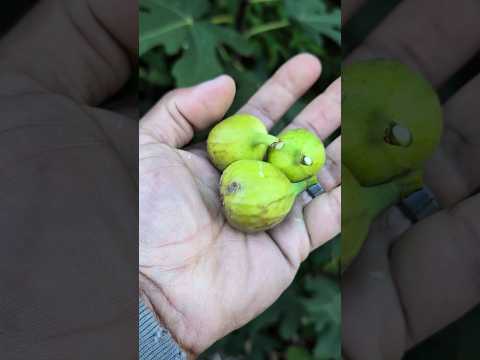
My Chicago Hardy Fig Is Still Producing! 😳

Discover how to successfully grow Chicago Hardy figs in colder climates, including tips on care, protection from frost, and maximizing your harvest.

At a glance
Key Takeaways

Cold-Hardy Variety
Chicago Hardy Figs can withstand cold temperatures down to -10°F.

Easy to Plant
These figs can be planted in pots or directly in the ground, making them versatile.

Frost Protection is Key
Use covers and mulch to protect your fig tree during winter months.
Growing figs in colder climates might seem like a challenge, but with the right care and attention, it's entirely possible! The Chicago Hardy Fig (Ficus carica) is a remarkable variety that thrives even in places like Connecticut, producing delicious fruit even as temperatures drop. In this article, we'll explore everything you need to know about nurturing your Chicago Hardy Fig tree, from planting to protection against frost, and even troubleshooting common issues.
Why Choose Chicago Hardy Figs?
Chicago Hardy Figs are known for their resilience and ability to produce fruit in less-than-ideal conditions. Here’s why they stand out:
- Cold-Hardy: This variety can withstand temperatures as low as -10°F when properly established, making it an excellent choice for northern gardeners.
- Sweet Flavor: The figs are rich in flavor, making them a delightful addition to your garden and kitchen. They are perfect for fresh eating, baking, and making preserves.
- Versatile Growth: They can be grown in pots or directly in the ground, making them suitable for various garden setups, including patios and small urban spaces.
Planting Your Chicago Hardy Fig
Follow these detailed steps for successful planting:
- Choose the Right Location: Select a sunny spot with well-draining soil. Figs thrive in full sun, so aim for at least 6-8 hours of direct sunlight each day.
- Prepare the Soil: Amend the soil with organic matter, such as compost or aged manure, to ensure good drainage and nutrient availability. Figs prefer slightly acidic to neutral pH levels (around 6.0 to 7.0).
- Plant the Cutting: Dig a hole slightly larger than the root ball of your fig cutting, place it in the hole, and backfill with soil. Make sure to plant at the same depth as it was in the pot.
- Water Thoroughly: Ensure the plant receives plenty of water after planting to help establish its roots. A deep watering is essential, especially in the first few weeks.
- Mulch: Apply a 2-3 inch layer of mulch around the base of the tree to retain moisture and suppress weeds. Organic mulches like wood chips or straw work well.
Caring for Your Fig Tree
After planting, regular care is essential for healthy growth:
- Watering: Keep the soil consistently moist, especially during dry spells. Figs prefer deep watering rather than frequent shallow watering. It's critical to allow the top inch of soil to dry out before watering again.
- Fertilizing: Use a balanced, slow-release fertilizer in early spring to promote healthy growth. A fertilizer high in potassium will help enhance fruit quality. Avoid over-fertilizing, as this can lead to excessive leaf growth at the expense of fruit production.
- Pruning: Prune your tree during dormancy in late winter or early spring to maintain shape and promote air circulation. Remove any dead or crossing branches, and thin out crowded areas to enhance light penetration.
- Pest Management: Regularly check your fig tree for signs of pests like aphids, spider mites, and fig beetles. Use insecticidal soap or neem oil as needed to control infestations.
- Monitoring for Diseases: Figs can be susceptible to fungal diseases such as leaf spot and root rot. Ensure good air circulation and avoid overhead watering to minimize these risks.
Protecting Your Figs from Frost
As the temperatures drop, protecting your fig tree becomes crucial. Here are several strategies to keep your tree healthy through the winter months:
- Use Plant Covers: Consider using frost cloths or blankets to cover your tree during cold snaps. These covers can trap heat and prevent frost damage. Make sure to remove them when temperatures rise to prevent overheating.
- Mulch Around the Base: Apply a thick layer of mulch (about 4-6 inches) around the base to insulate the roots. This will help maintain soil temperature and protect the roots from freezing.
- Move Potted Trees Indoors: If your fig is in a pot, bring it indoors or to a sheltered location when frost is expected. If you can’t move it, consider wrapping the pot in burlap or bubble wrap for insulation.
- Prune Before Winter: Pruning before winter can help reduce wind resistance and the risk of damage from heavy snow or ice accumulation on branches.
- Monitor Temperature: Use a thermometer to keep track of overnight temperatures. If a severe cold snap is forecasted, take extra precautions, such as covering the tree or bringing it indoors.
Common Mistakes to Avoid
Even seasoned gardeners can make errors when it comes to figs. Here are some common pitfalls to watch out for:
- Overwatering: Make sure not to let the soil become waterlogged, as figs prefer well-draining soil. Water only when the top inch of soil is dry, and avoid letting the roots sit in water.
- Neglecting Pruning: Regular pruning helps maintain fruit production and tree health. Failing to prune can lead to overcrowding and reduced air circulation, increasing disease risk.
- Ignoring Pest Issues: Keep an eye out for pests like fig beetles and take action promptly. Neglecting pest problems can lead to severe damage and reduced yields.
- Planting Too Deep: Ensure that the root crown of the fig tree is at the soil surface to prevent rot. Planting too deep can suffocate the roots and hinder growth.
- Over-Fertilizing: Excessive fertilizer can lead to lush foliage but poor fruit production. Follow recommended guidelines for feeding your fig tree.
Harvesting Your Figs
Harvesting figs is one of the most rewarding aspects of growing them:
- Timing: Figs are best harvested when they are fully ripe. The fruit should be soft to the touch and slightly drooping on the branch. The color will depend on the variety, but generally, they will deepen as they ripen.
- Harvesting Technique: Gently twist the fig to remove it from the stem, or use pruning shears if necessary to avoid damaging the plant. Always harvest in the morning when the fruit is cool.
- Storage: Fresh figs do not store well and should be eaten shortly after harvesting. If you need to store them, keep them in the refrigerator for a couple of days. They can also be dried or preserved for longer storage.
Common Issues and Troubleshooting
Growing figs can come with challenges. Here are some common issues and how to address them:
- Fig Drop: If your figs are dropping prematurely, it may be due to stress from drought, over-fertilization, or pest infestations. Ensure consistent watering and check for pests.
- Leaf Yellowing: Yellowing leaves can indicate overwatering or nutrient deficiencies. Assess your watering habits and consider a soil test to determine nutrient needs.
- Pests: Watch for signs of pests like aphids or spider mites. Use preventative measures like neem oil or insecticidal soap to control outbreaks.
- Disease Symptoms: Fungal diseases can manifest as leaf spots or wilting. Ensure good air circulation and avoid overhead watering to prevent these issues.
Conclusion
With the right care and precautions, your Chicago Hardy Fig tree can thrive and produce delicious figs, even in colder climates. Follow these guidelines, and you’ll be rewarded with a fruitful harvest. Have you tried growing figs in your garden? Share your experiences below! Whether you’re a beginner or an experienced gardener, the Chicago Hardy Fig is a fantastic addition to any garden.
Photos from this idea
Helpful products for this project
These products were matched to the materials, tools, and care steps discussed in the article.
- Plant Covers Freeze Protection Kit, 10 x 30Ft Frost Cloth and 6Pcs Fiberglass Garden Hoops 1oz/yd² Floating Row Cover with Greenhouse Hoops Frost Blanket for Winter Garden Covers for Raised Beds - View on Amazon: 【Best Winter Plant Covers Freeze Protection Kit】This garden bed cover kit contains all gardening tools to build a...
- Bird Netting for Garden, 26 x 49FT Heavy Duty Anti Bird Netting Mesh with Ties and Landscape Staples for Vegetable, Fruit Trees & Other Plants, Lasting Against Birds Squirrels and Poultry, Black - View Product: HDPE Material: Different from traditional nylon and polypropylene (PP) materials, RIFNY bird netting made from high...
- MySoil Soil Test Kit, Unlock Your Lawn & Garden Potential, Complete & Accurate Nutrient and pH Analysis with Recommendations Tailored to Your Soil and Plant Needs - View Product: KNOW BEFORE YOU GROW | Grow the healthiest, sustainable lawn and garden with the most accurate and easy to use...
Source: Watch the original YouTube Short.
Keep exploring
Ready to Grow Your Own Figs?
Check out our shop for the best Chicago Hardy Fig cuttings and other gardening supplies.Shop NowShop this guide
Affiliate Picks
Tools & supplies I use and recommend


As an affiliate, junecity.studio may earn from qualifying purchases at no additional cost to you.
Keep growing
Suggested reading

Winter Has No Chance Against My Radiant Heated Greenhouse! 🔥🥶
Discover how to prepare your greenhouse for winter with effective heating solutions to keep your plants thriving despite the cold. Explore practical tips, essential tools, and common mistakes to avoid.

I Rooted Chicago Figs… Now They’re Ready!🔥 #ChicagoFig #FigTree #GrowYourOwn
Learn how to successfully root and care for Chicago figs, turning cuttings into thriving plants ready for your garden.
0 comments
Comments (0)
We love hearing from our community. Share your thoughts, questions, or experience.
Have something to add?
Log in to post, react, share images, and join threads.
Newest First
All Comments
Showing 0-0 of 0
Start the conversation.
Questions and first-hand experience are welcome here.