
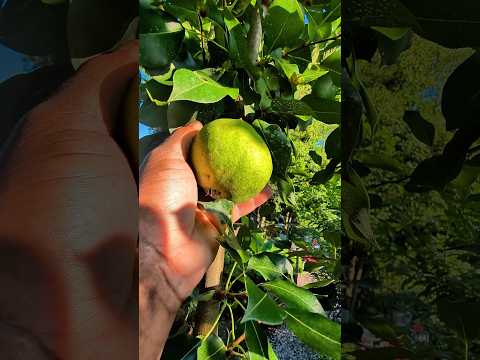
My Pear Tree Needed Support… Look at the Size of These Pears! 🍐
Discover how to support your pear tree to prevent branch breakage as it bears heavy fruit. Learn practical tips and techniques to ensure a healthy and productive harvest.

At a glance
Key Takeaways

Prevent Branch Breakage
Supporting your pear tree will help avoid serious damage and ensure a healthy harvest.

Use Protective Materials
Always use protective tubing to prevent wire from cutting into the bark.

Regular Maintenance
Check your support regularly, especially as the fruit matures and grows heavier.

Consider Environmental Factors
Be mindful of weather conditions that may impact the stability of your tree.
As summer sets in and the days grow longer, many of us are excited to see our fruit trees bearing fruit. My pear tree, in particular, has produced an incredible amount of pears this season. However, with great fruit comes great responsibility, especially when it comes to supporting the branches that bear the weight. In this article, I’ll share my experience of adding support to my pear tree and offer practical tips for you to do the same.
Why Support Your Pear Tree?
Pear trees can produce heavy fruit, and when the branches are overloaded, they risk breaking. Supporting your tree helps prevent damage and ensures that your hard work in nurturing your tree pays off with a successful harvest. It also encourages healthy growth and minimizes stress on the tree.
In addition to protecting the branches, providing support allows for better air circulation around the fruit, which can help reduce the risk of disease and encourage even ripening. Furthermore, a well-supported tree can bear more fruit over time, leading to larger yields in subsequent seasons.
Assessing Your Tree's Needs
Before you provide support, assess your tree’s current state:
- Fruit Load: Look at the number of pears growing on each branch. Are they bending significantly? If so, it’s time to consider support.
- Branch Strength: Check the thickness and health of the branches. Are they healthy enough to hold the weight? Thinner branches may require more immediate support.
- Tree Age: Younger trees may need more support as they are still developing their structure. Older trees might have more robust branches, but that doesn't always guarantee they can handle heavy fruit loads.
- Environmental Factors: Consider the local weather conditions. High winds or heavy rain can exacerbate the risk of branch breakage, making support even more crucial.
Materials Needed for Support
To support your pear tree effectively, gather the following materials:
- Strong wire: Use a wire that is sturdy yet flexible enough to allow for growth. Coated wire is preferable to prevent damage to the bark.
- Protective tubing or cloth: This will wrap around the tree branch to prevent the wire from cutting into the bark.
- Stake or post: If needed for additional support, a wooden or metal stake can help anchor the tree.
- Pruning shears: For any necessary trimming of excess fruit or branches that may hinder the support system.
- Soft ties or cloth strips: These can be used in conjunction with wire to provide extra cushioning and prevent injury to the tree.
Steps to Support Your Pear Tree
- Prepare Your Materials: Gather your wire, tubing, stakes, and pruning tools. Ensure you have everything on hand to avoid interruptions during the process.
- Trim Excess Weight: If some branches are overloaded, consider removing a few pears to reduce weight. This will also help the remaining fruit grow larger and healthier.
- Wrap the Branch: Take your protective tubing and wrap it around the area where the wire will make contact with the branch. This will prevent injury to the bark and allow for future growth.
- Attach the Wire: Securely tie the wire around the branch, ensuring it’s not too tight to restrict growth. It should be snug enough to provide support but loose enough to allow for the natural expansion of the branch.
- Anchor the Wire: If necessary, anchor the wire to a stake in the ground for additional support. This will help stabilize the branch and prevent it from bending too much under the weight of the fruit.
- Monitor the Tree: Keep an eye on the tree as the pears continue to grow. Adjust the support as needed, especially if you notice any signs of stress or damage to the branches.
- Regular Inspections: Throughout the growing season, check the integrity of your support system. Look for signs of wear on the wire and tubing, and be prepared to make adjustments as the tree grows.
Key Takeaways
Prevent Branch Breakage: Supporting your pear tree will help avoid serious damage and ensure a healthy harvest.
Use Protective Materials: Always use protective tubing to prevent wire from cutting into the bark.
Regular Maintenance: Check your support regularly, especially as the fruit matures and grows heavier.
Consider Environmental Factors: Be mindful of weather conditions that may impact the stability of your tree.
Common Mistakes to Avoid
- Over-tightening the Wire: This can damage the bark and restrict growth. Always ensure there is enough slack to allow for natural expansion.
- Ignoring Branch Health: Ensure branches are strong enough to bear fruit before adding support. Weak branches may require additional care or even removal.
- Using Non-Protective Materials: Avoid metal wire directly on branches without protection, as this can cause injury.
- Neglecting to Monitor: Regularly inspect your support system to ensure it remains effective and adjust as necessary.
Conclusion
Supporting your pear tree is a simple yet vital task to ensure a fruitful harvest. By taking the time to assess your tree's needs and implementing proper support techniques, you can enjoy the fruits of your labor without fear of losing branches to the weight of your delicious pears. Happy gardening!
As you care for your pear tree, remember that proper support is just one part of a larger picture. Regular pruning, fertilization, and pest management are also crucial for a thriving tree. By combining these practices, you’ll be well on your way to enjoying a bountiful harvest year after year.
Photos from this idea
Helpful products for this project
These products were matched to the materials, tools, and care steps discussed in the article.
- MEPEREZ Premium Pruning Shears For Gardening, Work 3 Times Easier, Pruners Heady Duty, Sharp Garden Clippers Cuting Florist Flower, Hedge, Herb, Rose, Indoor Live Plants, Arthritis Weak Hand Snips - View Product: 🎁STRONG CONSTRUCTION, DURABLE, SHARP FOR A LONG TIME: Made of premium materials...
- BN-LINK 5-Pack 10 Gallon Grow Bags, Heavy Duty Aeration Fabric Pots with Handles, Thickened Nonwoven Plant Bags for Vegetables, Flowers, Fruits - View Product: 【Durable & Eco-Friendly Material】: Crafted from 300g BPA-free non-woven fabric...
- NAYE Grafting Gardening Knife,2-5/8" Curved Straight Blades Garden Knife for Budding Pruning,with Grafting Tape Plant Labels/Tree Tags - View Product: Razor sharp curved/straight two blade pocket grafting knife.
- BOENFU 6 Inches Wire Cutters Heavy Duty Snips Flush Cut Side Cutters Pliers Metal Cutting Tool for Crafting, Floral, Artificial Flowers, Chicken Wire, Electrical, 1 Pack - View Product: Flush-cut Wire Cutter: Extra-long cutting edge can easily snips electrical wire up...
- Metal Zip Ties,100 Pcs 11.8 Inch,304 Stainless Steel Zip Ties Multi-purpose Metal Cable Ties-Suitable for Outdoor Chain Link Fence and Exhaust Wrap Zip Ties - View Product: HIGH QUALITY: Our metal zip ties are made of high-quality 304 stainless steel...
Source: Watch the original YouTube Short.
Keep growing
Suggested reading

I Grafted 3 Pear Varieties Onto One Tree 🤯🍐
Discover the fascinating process of grafting multiple pear varieties onto a single tree and how it can transform your gardening experience. Learn about the techniques, benefits, and practical tips for successful grafting.

Tomorrow Decides Who Wins the Lemon Tree 🍋
Explore the strategy behind winning a lemon tree in a competitive treasure hunt. Learn tips for caring for your own lemon plants and optimizing their growth.
0 comments
Comments (0)
We love hearing from our community. Share your thoughts, questions, or experience.
Have something to add?
Log in to post, react, share images, and join threads.
Newest First
All Comments
Showing 0-0 of 0
Start the conversation.
Questions and first-hand experience are welcome here.