
My Persimmon Tree FINALLY Produced! 👀

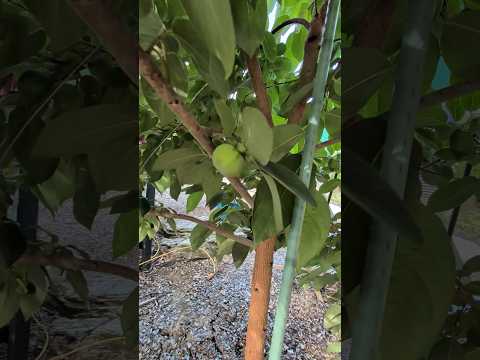
After three years of care, my persimmon tree has finally produced fruit! Join me as I share the journey, tips for growing persimmons, and what to expect as these fruits ripen in Connecticut.

At a glance
Key Takeaways

Patience is Essential
Fruit trees take time to mature. Enjoy the journey!

Proper Care Pays Off
Consistent watering, fertilization, and pest management lead to successful fruiting.
Know Your Variety
Understanding your tree’s needs and characteristics is crucial for success.
Growing a fruit tree can be a rewarding experience, but it requires patience and dedication. In this article, I'll share my journey with my persimmon tree, which has finally produced fruit after three years of nurturing. Not only will I recount my experience, but I'll also provide practical tips for growing persimmons, including what to expect as the fruits ripen, and how to troubleshoot common issues.
The Journey to Fruiting
Three years ago, I planted my persimmon tree, excited about the prospect of homegrown fruit. The first couple of years were mostly about nurturing the tree, ensuring it had the right environment and care. Here’s a brief overview of what I learned during this period:
- Choosing the Right Location: Persimmons prefer full sun and well-drained soil. Make sure to plant them in a spot that gets plenty of sunlight. Ideally, a location that receives at least six hours of direct sunlight each day will promote healthy growth and fruit production.
- Watering Wisely: Young trees need regular watering, especially during dry spells. However, avoid overwatering, as persimmons are susceptible to root rot. Establishing a deep watering routine encourages roots to grow deeper into the soil, making the tree more resilient during dry periods.
- Fertilization: Use a balanced fertilizer in early spring to promote healthy growth. It's essential to avoid excessive nitrogen, which can lead to lush foliage at the expense of fruit. A fertilizer that is high in potassium can help support fruit development.
Anticipating Fruit Production
As the years went by, I often wondered when my tree would bear fruit. Here are some key factors that influence fruit production:
- Tree Maturity: Most persimmon trees take about 3-5 years to bear fruit. Patience is key! Understanding that fruiting may not occur in the first few years helps manage expectations.
- Pollination: Some persimmons are self-pollinating, while others are not. Ensure you have the right variety for fruit set. If you have a non-self-pollinating variety, consider planting more than one tree to facilitate cross-pollination.
- Weather Conditions: Weather can play a significant role; late frosts can damage blossoms and reduce yield. Monitoring local weather forecasts can help you take protective measures, such as covering blossoms during unexpected cold snaps.
My First Fruits
This year, my patience paid off! I was thrilled to see the first persimmons forming on my tree. Here’s what I’m doing to ensure they ripen properly:
- Monitoring Water Needs: As the fruits develop, I’m keeping a close eye on the moisture levels to avoid stress. Deep watering once a week is often sufficient, but I adjust based on rainfall and temperature.
- Protecting from Pests: I’ve noticed some pests showing interest in my tree. Using organic pest control methods has been effective. Introducing beneficial insects, like ladybugs, can help manage pests naturally.
- Harvesting at the Right Time: It's crucial to harvest persimmons when they are fully ripe for the best flavor. I’ll be watching for color changes and softness. Ripe persimmons will feel slightly soft to the touch and have a rich orange color.
Common Challenges and Solutions
Even seasoned gardeners can encounter challenges when growing fruit trees. Here are some common issues and how to solve them:
- Fruit Drop: If fruits are dropping prematurely, it may indicate a lack of water or nutrients. Check soil moisture and consider fertilizing. Consistent watering during dry spells is crucial during the fruit development phase.
- Pest Damage: Aphids and other pests can be problematic. Regularly inspect leaves and use neem oil as a preventative measure. An insecticidal soap may also be effective against soft-bodied pests.
- Blossom End Rot: This is often caused by inconsistent watering. Maintain even moisture to prevent this issue. Mulching around the base of the tree can help retain soil moisture and regulate temperature.
Understanding the Different Varieties of Persimmons
There are two main types of persimmons: American persimmons (Diospyros virginiana) and Asian persimmons (Diospyros kaki). Understanding the differences can help you choose the right type for your garden:
- American Persimmons: These trees are hardier and can tolerate colder climates. However, their fruits can be astringent until fully ripe. They are typically smaller and may require cross-pollination.
- Asian Persimmons: These are generally sweeter and can be eaten while still firm. They thrive in warmer climates and are more commonly found in grocery stores. Some varieties are self-pollinating, making them easier for home gardeners.
Additional Care Tips for Your Persimmon Tree
To ensure your persimmon tree thrives and produces fruit consistently, consider these additional care tips:
- Pruning: Regular pruning helps maintain the tree's shape and encourages better air circulation. Remove any dead or crossing branches, and thin out crowded areas to promote sunlight penetration.
- Soil Testing: Conduct soil tests to determine nutrient levels and pH. Persimmons prefer slightly acidic to neutral soil (pH 6.0 to 7.0). Amend the soil as necessary based on test results.
- Mulching: Apply a layer of mulch around the base of the tree to conserve moisture, suppress weeds, and regulate soil temperature. Organic mulches like wood chips or straw work well.
Key Takeaways
- Patience is Essential: Fruit trees take time to mature. Enjoy the journey and learn from each growing season!
- Proper Care Pays Off: Consistent watering, fertilization, and pest management lead to successful fruiting. Establish a routine for caring for your tree.
- Know Your Variety: Understanding your tree’s needs and characteristics is crucial for success. Research the specific type of persimmon you are growing.
Conclusion
As I await the ripening of my persimmons, I'm filled with anticipation and gratitude for the journey. Growing a fruit tree is not just about the end result; it’s about the experiences and lessons learned along the way. I hope my story inspires you to try growing your own fruit trees!
Remember, every gardener's experience is unique, and sharing knowledge can help us all grow better. Whether you’re a beginner or an experienced gardener, there’s always something new to learn. Happy gardening!
Photos from this idea
Helpful products for this project
These products were matched to the materials, tools, and care steps discussed in the article.
- API FRESHWATER MASTER TEST KIT 800-Test Freshwater Aquarium Water Master Test Kit, White, Single, Multi-colored - View Product: Contains one (1) API FRESHWATER MASTER TEST KIT 800-Test Freshwater Aquarium Water...
- BN-LINK 5-Pack 10 Gallon Grow Bags, Heavy Duty Aeration Fabric Pots with Handles, Thickened Nonwoven Plant Bags for Vegetables, Flowers, Fruits - View Product: 【Durable & Eco-Friendly Material】: Crafted from 300g BPA-free non-woven fabric...
- Aluminum Plant Labels - 200PCS Metal Tags with Wires for Plant Markers, Tree Tags, Outdoor Identification and Greenhouse - View Product: 【Package Information】You will receive 200 pieces of aluminum plant labels in the...
- 4” Longan Seedling – Live Tropical Fruit Tree - Checkout: Grow your own tropical fruit tree with a healthy Longan (Dimocarpus longan)...
- Neem Bliss (16 Fl Oz) - Pure Neem Oil Concentrate - 100% Cold Pressed Neem Oil - All-Natural Neem Oil Concentrate - Pure Neem Oil Extract - Unrefined Neem Oil for Hair - Neem Seed Oil Concentrate - View Product: 100% Pure Neem Oil Extract - Plantonix Neem Bliss is pure, unrefined neem oil...
Source: Watch the original YouTube Short.
Keep growing
Suggested reading

Growing Sugarcane in Connecticut… and It’s Thriving! 🤯
Discover the secrets to successfully growing sugarcane in Connecticut! Learn how to cultivate this tropical plant, from planting to care, and enjoy a unique addition to your garden.

Tomorrow Decides Who Wins the Lemon Tree 🍋
Explore the strategy behind winning a lemon tree in a competitive treasure hunt. Learn tips for caring for your own lemon plants and optimizing their growth.
4 comments
Comments (4)
We love hearing from our community. Share your thoughts, questions, or experience.
Have something to add?
Log in to post, react, share images, and join threads.
Newest First
All Comments
Showing 1-2 of 2
Kiki Gonzalez
VerifiedSep 23, 2026
One of my favorite fruit to eat. 😋
View 1 replyHide replies
Andre
Sep 24, 2026
I cant wait to try it
Veronica Harvey
VerifiedSep 21, 2026
How exciting! Congrats
View 1 replyHide replies
Andre
Sep 24, 2026
Thank you