
One Bee, Two Bee, Squash Tree 🐝

Explore the vibrant world of squash plants and their essential role in attracting pollinators like bees, ensuring a thriving garden.


At a glance
Key Takeaways

Attracting Pollinators
Squash plants are essential for attracting bees, which enhances pollination and fruit production.

Best Practices
Plant squash in sunny, well-drained areas and maintain regular watering for healthy growth.

Companion Planting
Consider planting bee-attracting flowers nearby to further encourage pollination.

Avoid Common Mistakes
Be mindful of overwatering and pesticide use to protect your garden's ecosystem.

Sustaining Bee Populations
Encouraging diverse plants and creating habitats can help maintain healthy bee populations in your garden.
Introduction
In the bustling ecosystem of your garden, few things are as delightful as watching bees diligently pollinating your plants. These industrious insects play a critical role not only in the health of individual plants but also in the overall productivity of your garden. This article delves into the significance of squash plants in attracting these vital pollinators, enhancing the health and productivity of your garden. With an abundance of flowers and a symbiotic relationship with bees, squash plants are not only a beautiful sight but also a crucial component of a thriving garden.
Why Pollinators Matter
Pollinators like bees are essential for the reproduction of many plants, including squash. Their role in transferring pollen from one flower to another leads to fertilization, which is necessary for fruit development. In fact, it is estimated that one-third of the food we consume relies on pollination. Without these busy insects, many of the crops we rely on for food would suffer. In addition to their role in food production, pollinators maintain biodiversity by ensuring that a wide variety of plants can reproduce.
The Squash Plant: A Bee Magnet
Squash plants produce large, vibrant flowers that are particularly attractive to bees. The flowers are rich in nectar, making them a prime target for these pollinators. Here are some key points about squash and its relationship with bees:
- Flower Structure: Squash flowers are large and open, providing easy access for bees. The male flowers typically appear first, followed by the female flowers, which will develop into fruit if pollinated.
- Nectar Production: The sweet nectar of squash flowers draws bees in, encouraging them to visit multiple flowers. This not only benefits the squash plants but also helps other nearby plants, as bees carry pollen from one flower to another.
- Variety of Species: Different types of squash, such as zucchini, butternut, and pumpkin, can attract various pollinator species. Each type of squash has a slightly different flower structure and nectar profile, which can appeal to different bee species.
Growing Squash: Best Practices
To ensure your squash plants thrive and attract plenty of bees, follow these guidelines:
- Choose the Right Location: Plant squash in a sunny area with well-drained soil. Squash thrives in full sun, requiring at least 6 to 8 hours of sunlight daily to produce healthy flowers and fruit.
- Watering: Regular watering is crucial, especially during dry spells. Aim to keep the soil consistently moist but not waterlogged. Drip irrigation or soaker hoses can be particularly effective, as they deliver water directly to the roots without wetting the foliage, reducing the risk of fungal diseases.
- Companion Planting: Consider planting flowers that attract bees nearby, such as marigolds or sunflowers, to enhance pollination. These companion plants can help create a diverse ecosystem that supports various beneficial insects.
Common Mistakes to Avoid
When growing squash, gardeners often encounter a few common pitfalls. Here’s how to avoid them:
- Overwatering: Ensure your squash plants do not sit in waterlogged soil, which can lead to root rot. It's essential to check the soil moisture regularly and water only when necessary.
- Neglecting Pollinators: Avoid using pesticides that can harm bees and other beneficial insects. If pest control is needed, opt for organic solutions that are less harmful to pollinators.
- Spacing: Ensure adequate spacing between plants to allow bees easy access to flowers. Crowded plants can hinder pollinator movement and reduce fruit set.
Encouraging a Healthy Bee Population
Maintaining a healthy bee population in your garden is crucial for successful squash cultivation and overall plant health. Here are some strategies to encourage bees:
- Plant Native Species: Native plants are often better adapted to your local environment and can provide essential resources for bees throughout the growing season.
- Avoid Chemicals: Minimize or eliminate the use of chemical fertilizers and pesticides that can harm pollinators. Consider using organic methods for pest control and fertilization.
- Provide Shelter: Create habitats for bees by leaving some areas of your garden undisturbed. Piles of wood, bare soil, and native flowering plants can provide nesting sites for solitary bee species.
Key Takeaways
- Squash plants are essential for attracting bees, which enhances pollination and fruit production.
- Plant squash in sunny, well-drained areas with regular watering to promote healthy growth.
- Companion planting with bee-attracting flowers can further encourage pollination.
- Avoid common mistakes such as overwatering and pesticide use to maintain a healthy garden ecosystem.
- Encouraging a diverse range of plants and providing habitat can help sustain a healthy bee population.
Conclusion
Embracing the beauty and benefits of squash plants can significantly enhance your garden's ecosystem. By attracting bees, these plants not only ensure a bountiful harvest but also contribute to the overall health of your garden. As you cultivate your squash, take the time to appreciate the myriad of bees that visit your flowers, knowing that you are playing a part in supporting these vital creatures.
FAQs
What types of squash are best for attracting bees?
All squash varieties can attract bees, but those with large, open flowers, like zucchini and pumpkins, tend to be most effective.
How can I tell if my squash flowers are being pollinated?
If your squash flowers are producing fruit, they are being successfully pollinated. If flowers wilt without producing fruit, pollination may be insufficient.
Are there specific times when bees are most active?
Bees are typically most active during warm, sunny days, especially in the morning and early afternoon when flowers are fully open.
What should I do if I see a decline in bee activity in my garden?
Evaluate your gardening practices, including pesticide use, plant diversity, and habitat features. Increasing the variety of flowering plants and reducing chemical use can help attract more bees.
Photos from this idea
Helpful products for this project
These products were matched to the materials, tools, and care steps discussed in the article.
- GREANER 200 PCS Nursery Bags, 5.5"x6.3" Non-Woven Fabric Seedling Bags Biodegradable for Home Garden Supply, Tree, Flower, Vegetable, Nursery Pots Container Plants Pouch - View Product: 【VALUE PACK】200 pcs seedling nursery bags, enough for your plant needs.They are...
- 10 Pack Tomato Roller Hooks with 49.2FT String,Tomato Roller Hooks for Greenhouse,Plant,Flower Vine Crop Trellis Kit - View Product: High Quality Material:Our tomato hooks are made of robust rope and iron...
- BN-LINK 5-Pack 10 Gallon Grow Bags, Heavy Duty Aeration Fabric Pots with Handles, Thickened Nonwoven Plant Bags for Vegetables, Flowers, Fruits - View Product: 【Durable & Eco-Friendly Material】: Crafted from 300g BPA-free non-woven fabric...
- NAYE Grafting Gardening Knife,2-5/8" Curved Straight Blades Garden Knife for Budding Pruning,with Grafting Tape Plant Labels/Tree Tags - View Product: Razor sharp curved/straight two blade pocket grafting knife.
- Just Good Soil Essential Nutrient Protocol - 3-Step Soil Food System for Organic & Regenerative Gardening, Organic Plant Food & Soil Enhancer for Home Gardening - Sprout_01, Rise_02 & Replenish_03 - View Product: COMPLETE 3-STEP SOIL FOOD SYSTEM: Includes Sprout_01 Soil Life Kickstarter...
Source: Watch the original YouTube Short.
Keep exploring
Ready to Grow Your Garden?
Explore our collection of gardening supplies to help you attract more pollinators!Shop NowKeep growing
Suggested reading
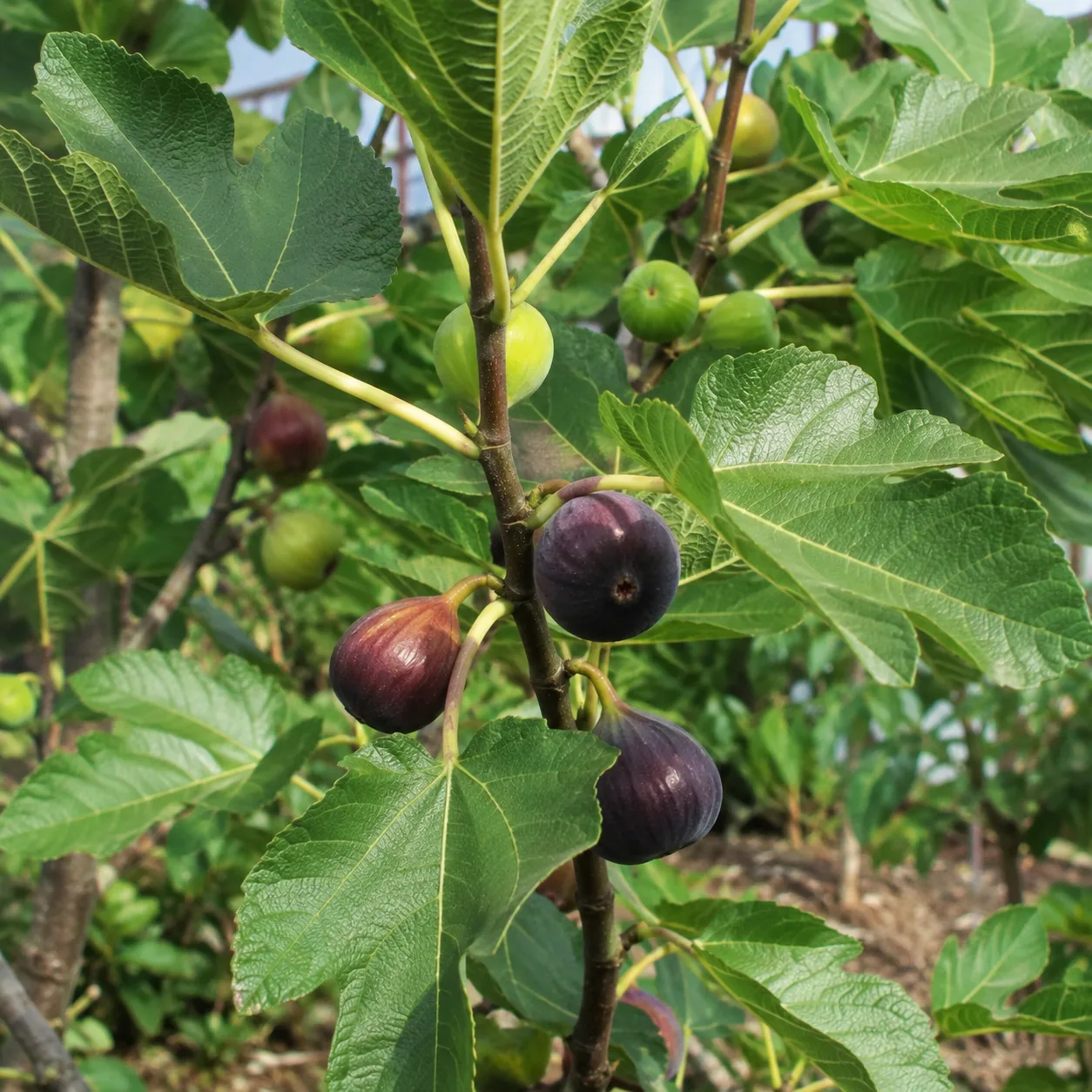
How to Grow Figs: From Planting to a Sweet Harvest
Learn how to successfully grow a healthy fig tree from planting to harvest, including watering, pruning, fertilizing, winter protection, and propagation.

The Garden Didn’t Get the Memo That Summer Is Over 😂🍅🌶️
Even as September rolls in, your garden keeps delivering a bountiful harvest. Discover tips for managing late-season crops and ensuring your vegetable garden thrives well into fall.
0 comments
Comments (0)
We love hearing from our community. Share your thoughts, questions, or experience.
Have something to add?
Log in to post, react, share images, and join threads.
Newest First
All Comments
Showing 0-0 of 0
Start the conversation.
Questions and first-hand experience are welcome here.