
I’m Sending a Warning to Every Slug

Learn effective strategies for managing slugs in your garden and discover the benefits of marking problem areas for better control.

At a glance
Key Takeaways

Identify Problem Areas
Mark areas where slugs are active to improve management strategies.

Benefits of Marking
Helps in tracking slug activity and improves control efforts.
Gardeners often face the menace of slugs, especially when it comes to tender plants like zucchini. In this guide, we’ll explore effective slug management techniques, including how to identify problem areas and the benefits of marking them. With a little effort, you can protect your garden from these slimy intruders!
Why Slug Control Matters
Slugs are notorious for their ability to damage plants, particularly in moist environments. They can quickly devour seedlings and tender leaves, leading to significant crop loss. Understanding how to manage slugs is essential for maintaining a healthy garden.
Identifying Problem Areas
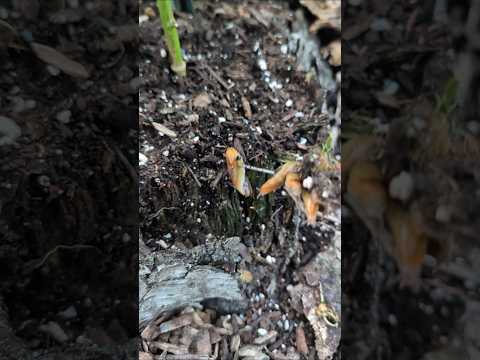
One effective method for managing slugs is to identify and mark areas where they are most active. Staking these areas will not only help you keep track of slug activity but also allow you to monitor the effectiveness of your control strategies.
Steps to Identify and Mark Slug Areas
-
Observe Your Garden:
Look for signs of slug damage, such as holes in leaves or a silvery trail.
-
Stake the Areas:
Use small stakes or flags to mark where you see slug activity. This will help you focus your efforts.
-
Monitor Regularly:
Check your marked areas frequently to assess slug populations and adjust your control methods accordingly.
Benefits of Marking Slug Areas
- Enhanced Awareness: Knowing where slugs are active allows for targeted interventions.
- Effective Control: By focusing your efforts on high-activity areas, you can reduce slug populations more effectively.
- Soil Health: As slugs decompose back into the soil, they contribute to its health, promoting better plant growth.
Common Mistakes to Avoid
While managing slugs, be cautious of common pitfalls:
- Over-reliance on Chemicals: Avoid using harsh chemicals that can harm beneficial garden insects.
- Ignoring Soil Conditions: Slugs thrive in moist conditions, so proper soil drainage is essential.
Conclusion
By effectively identifying and managing slug populations, you can protect your garden and ensure healthy plant growth. Remember to mark problem areas for better tracking and control. Happy gardening!
Source: Watch the original YouTube Short.
Keep exploring
Ready to Take Control of Your Garden?
Explore more gardening tips and techniques on our blog.Visit Our Blog
Keep growing
Suggested reading
My Persimmon Tree FINALLY Produced! 👀
After three years of care, my persimmon tree has finally produced fruit! Join me as I share the journey, tips for growing persimmons, and what to expect as these fruits ripen in Connecticut.

My 5-Foot Squash Tree Is Still Loaded!
Discover the secrets to growing a thriving squash tree that keeps producing even as the garden slows down. Learn how to maximize growth and yield while troubleshooting common issues.
0 comments
Comments (0)
We love hearing from our community. Share your thoughts, questions, or experience.
Have something to add?
Log in to post, react, share images, and join threads.
Newest First
All Comments
Showing 0-0 of 0
Start the conversation.
Questions and first-hand experience are welcome here.