
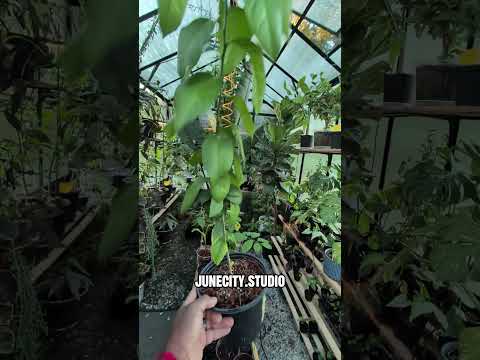
The Tiniest “Orange” Growing in Connecticut 🍊❄️ #FlyingDragon #HardyOrange #ConnecticutGarden

Discover the fascinating story of the Flying Dragon, a hardy orange tree thriving in Connecticut's winters. Learn about its unique characteristics, care tips, and how to grow this extraordinary citrus in your own garden.


At a glance
Key Takeaways

Cold Resilience
The Flying Dragon can thrive in colder climates.

Unique Fruits
While small and bitter, the fruits can be used creatively in cooking.

Ornamental Value
Its twisted branches and thorns make it a unique addition to any garden.
Regular Care
Proper watering, fertilization, and pest management are key to a healthy tree.

Harvest Timing
Fruits are best harvested when fully colored but firm, typically in late fall to early winter.
The Flying Dragon (Poncirus trifoliata) is not your typical orange tree. Known for its resilience to cold temperatures, this extraordinary hardy orange can survive the chilly winters of Connecticut while producing some of the tiniest citrus-like fruits you've ever seen. In this article, we'll delve deep into the unique qualities of the Flying Dragon, how to care for it, and tips on successfully growing this intriguing fruit tree in your garden.
Why the Flying Dragon is Unique
The Flying Dragon is a trifoliate orange tree, which means its leaves are divided into three leaflets. This tree is known for its distinctive twisted branches and formidable thorns. While many citrus trees struggle in cold weather, the Flying Dragon thrives in USDA zones 5-9, making it an ideal choice for northern gardeners. The fruit it produces is typically small, about the size of a golf ball, and is known for its bitter taste, which is quite different from the sweet oranges we are used to.
Characteristics of the Flying Dragon
- Cold Hardy: The Flying Dragon can survive temperatures as low as -10°F, making it a remarkable addition to gardens in colder climates.
- Unique Fruits: It produces small, bitter fruits that can be used for marmalades or as rootstock for grafting other citrus varieties.
- Ornamental Appeal: With its attractive foliage and twisted branches adorned with sharp thorns, the Flying Dragon adds visual interest to any garden, even when not in fruit.
Growing Conditions
To successfully grow a Flying Dragon in your garden, consider the following conditions:
- Sunlight: Full sun is essential for healthy growth and fruit production. Aim for at least 6-8 hours of direct sunlight each day.
- Soil: Well-draining soil is critical for the health of the tree. Amend heavy clay soils with organic matter, such as compost, to improve drainage and provide essential nutrients.
- Watering: Water regularly, especially during dry spells, but avoid waterlogged conditions. Allow the top inch of soil to dry out between waterings to prevent root rot.
- Temperature: While the Flying Dragon can tolerate cold, it prefers temperatures between 60-75°F during the growing season. If growing indoors or in a greenhouse, maintain these temperatures for optimal growth.
Planting Steps
- Choose the Right Location: Select a sunny spot in your garden that receives ample light throughout the day. Consider using a south-facing wall or fence to reflect heat and provide protection from harsh winds.
- Preparing the Soil: Test your soil pH to ensure it is in the optimal range of 6.0 to 7.5. If necessary, amend the soil with lime to increase pH or sulfur to decrease it. Incorporate organic compost to enhance soil fertility.
- Planting: Dig a hole twice the width of the root ball and place the tree at the same depth it was grown in the pot. Backfill the hole with soil, gently tamping it down to eliminate air pockets.
- Watering: Water the tree thoroughly after planting. Use a soaker hose or drip irrigation to keep the soil consistently moist but not soggy. Monitor the tree closely during its first growing season.
Caring for Your Flying Dragon
Once established, caring for the Flying Dragon involves regular maintenance and monitoring:
- Fertilization: Fertilize your Flying Dragon in early spring with a balanced fertilizer. Look for a formula that contains nitrogen, phosphorus, and potassium, such as a 10-10-10 mix. Follow the manufacturer’s instructions for application rates.
- Pruning: Prune the tree annually to maintain its shape and remove any dead or diseased branches. This will also promote better airflow and sunlight penetration, which is crucial for fruit production.
- Pest Management: Monitor for pests such as aphids, spider mites, and scale insects. Use insecticidal soap or neem oil for treatment. Regularly inspect the undersides of leaves for signs of infestation.
- Winter Protection: If you live in an area with harsh winters, consider wrapping the trunk with burlap to protect it from extreme cold and frost. A layer of mulch around the base can also help insulate the roots.
Common Mistakes to Avoid
- Overwatering: One of the most common mistakes is overwatering. Ensure proper drainage to prevent root rot. Always check the moisture level in the soil before watering.
- Neglecting Pruning: Pruning is essential for maintaining the health and shape of your tree. Regularly remove any suckers or unwanted branches to encourage better growth.
- Ignoring Pests: Regularly check for pests and treat them promptly to prevent infestations that can weaken your tree.
- Fertilizing Too Much: Over-fertilization can lead to excessive growth of foliage at the expense of fruit production. Stick to the recommended guidelines for your fertilizer.
Harvesting the Fruits
The Flying Dragon produces its fruits in late fall to early winter. These tiny, round fruits are bright orange and are best harvested when they are fully colored but still firm to the touch. They can be quite bitter, so many gardeners choose to use them for preserves or as a unique addition to citrus-flavored dishes.
To harvest, use pruning shears to cut the fruit from the branch, taking care not to damage the tree. The fruits can be stored in a cool, dry place for several weeks, but they are best used fresh or made into jam.
Key Takeaways
- Cold Resilience: The Flying Dragon can thrive in colder climates, making it an excellent choice for northern gardeners.
- Unique Fruits: While small and bitter, the fruits can be used creatively in cooking and for preserves.
- Ornamental Value: Its twisted branches and thorns make it a unique addition to any garden.
- Regular Care: Proper watering, fertilization, and pest management are key to a healthy tree.
- Harvest Timing: Fruits are best harvested when fully colored but firm, typically in late fall to early winter.
Conclusion
The Flying Dragon is a fantastic addition to any garden, especially for those in colder climates. Its unique characteristics and resilience make it a rewarding plant to grow. Whether you're looking for a conversation starter in your garden or a hardy fruit tree, the Flying Dragon is worth considering. With the right care and attention, you can enjoy its quirky beauty and perhaps even a batch of homemade marmalade made from its fruits.
FAQs
Can I grow Flying Dragon indoors? While it can be grown indoors, it will require ample light and space for proper growth. Consider using grow lights if natural light is limited. How often should I fertilize my Flying Dragon? Fertilize once in the spring with a balanced fertilizer to promote healthy growth. Be cautious not to over-fertilize. Are the fruits edible? Yes, the fruits are edible but are quite bitter. They are often used in preserves or marmalades. How do I propagate Flying Dragon? Propagation can be done through seeds or cuttings. However, keep in mind that seed-grown plants may not produce true-to-type fruits.Photos from this idea
Helpful products for this project
These products were matched to the materials, tools, and care steps discussed in the article.
- Just Good Soil Essential Nutrient Protocol - 3-Step Soil Food System for Organic & Regenerative Gardening, Organic Plant Food & Soil Enhancer for Home Gardening - Sprout_01, Rise_02 & Replenish_03 - View Product: COMPLETE 3-STEP SOIL FOOD SYSTEM: Includes Sprout_01 Soil Life Kickstarter...
- Zevo Flying Insect Trap - Plug-in Indoor Fly Trap and Bug Light Trap Refill with Blue and UV Light - No-Mess Cartridge for House Flies, Fruit Fly Trap and Gnats (1 Plug-in Base and 3 Cartridges) - View Product: Catch Flying Insects 24/7: This plug-in flying insect trap uses blue and UV light...
- VIVOSUN LumaLight 100W LED Grow Light, Full Spectrum Plant Light, Smart Dimmable & High PPFD for Indoor Plants Seedling Vegetables Bloom, Fits 2×2/2×4 Grow Tents - View Product: Optimized Full Spectrum: With white, blue, red and far-red LEDs (3000K, 5000K...
- Bird Netting for Garden, 26 x 49FT Heavy Duty Anti Bird Netting Mesh with Ties and Landscape Staples for Vegetable, Fruit Trees & Other Plants, Lasting Against Birds Squirrels and Poultry, Black - View Product: HDPE Material: Different from traditional nylon and polypropylene (PP) materials...
- BN-LINK Durable Seedling Heat Mat for Seed Starting 10" x 20.75", Waterproof Warming Mat Plant Heating Pad for Seed Germination, Indoor Growing, Hydroponic, Greenhouse, ETL Listed - View Product: IDEAL GERMINATION TEMPERATURE: The BN-LINK seedling heat mat helps maintain...
Source: Watch the original YouTube Short.
Keep exploring
Ready to Grow Your Own Flying Dragon?
Explore our selection of tropical plants and tools to help you cultivate this hardy orange in your garden.Shop Now
Keep growing
Suggested reading

A Jamaican Favorite Is Blooming in Connecticut! 🇯🇲
Discover how to grow the delicious naseberry tree in Connecticut, embracing a piece of Jamaican culture right in your backyard. Learn about the unique conditions, care tips, and the joy of witnessing this tropical fruit bloom in northern climates.
Find the Clues. Win the Lemon Tree. 🍋
Join the Junecity.studio Treasure Hunt and learn how to care for your very own Meyer lemon seedling. Discover tips, tricks, and the best practices to grow and nurture this delightful citrus tree!
0 comments
Comments (0)
We love hearing from our community. Share your thoughts, questions, or experience.
Have something to add?
Log in to post, react, share images, and join threads.
Newest First
All Comments
Showing 0-0 of 0
Start the conversation.
Questions and first-hand experience are welcome here.