
THIS Is What My New Pear Grafts Could Produce! 😳🍐 | Part 5
Explore the exciting world of grafting pears as we delve into the potential outcomes of my latest grafting project. Learn about the techniques, tools, and tips to ensure successful fruiting limbs.

At a glance
Key Takeaways
Choose Healthy Scions
Select vigorous scions to improve grafting success.
Proper Preparation
Prepare both scion and rootstock well for optimal results.

Be Patient
Grafting takes time, but the results can be very rewarding.
Grafting is a fascinating technique that allows gardeners to combine the best qualities of two different plants into one. This method is widely used in fruit tree cultivation to enhance fruit quality and yield. In this article, we are diving deep into my recent grafting efforts with pear trees and what I hope to achieve as these new grafts mature into strong, fruit-bearing limbs.
Understanding Grafting
Grafting involves joining the tissue of one plant to another so that they may grow together. This method has been practiced for centuries and is essential for propagating many fruit trees, including pears. By grafting, we can ensure that the new tree inherits the desired characteristics from both the rootstock and the scion.
In the case of pear trees, grafting can result in increased resistance to diseases and pests, as well as improved fruit production. The rootstock provides a robust foundation, while the scion offers the fruit quality and flavor that the gardener desires.
Why Grafting Pear Trees?
- Combining Varieties: By grafting different pear varieties, you can produce a tree that yields multiple types of pears, each with unique flavors and textures. This diversity can lead to a more fruitful garden and an exciting harvest season.
- Faster Fruit Production: Grafted trees tend to bear fruit sooner than those grown from seed. This is particularly beneficial for gardeners eager to enjoy fresh pears without the long wait associated with seed-grown trees.
- Disease Resistance: Grafting can help create trees that are more resistant to certain diseases. Choosing a disease-resistant rootstock can significantly improve the health and longevity of your pear tree.
My Grafting Process
In my recent grafting project, I added three new grafts to my pear tree. Here's a detailed step-by-step overview of the process I followed:
- Selecting Scions: I carefully selected scions from healthy, productive pear trees to ensure the best chances of success. It’s important to choose scions that are at least one year old, as younger wood may not take as well.
- Preparing the Rootstock: The rootstock was prepared by making a clean cut at a 45-degree angle, providing a larger surface area for the grafting process. This angled cut helps the cambium layers to align better, increasing the chances of a successful graft.
- Joining the Scion and Rootstock: The scion was then inserted into the cut of the rootstock, ensuring that the cambium layers made contact. This is a critical step as the cambium is where the plant's growth occurs.
- Securing the Graft: I used grafting tape to secure the newly joined scion and rootstock, protecting it from environmental factors. Proper sealing helps to retain moisture and prevents infection.
- Aftercare: After grafting, I monitored the graft site closely, ensuring it stayed moist and free from pests. It’s crucial to keep the graft area shaded and protected from direct sunlight during the healing process.
Anticipating the Results
As I wait for the grafts to take, I am filled with anticipation. The potential for these grafts to produce delicious pears is exciting! Here are some key takeaways from my experience:
Key Takeaways
- Choose healthy scions from reliable sources to ensure the best results. Look for varieties that are well-suited to your local climate and soil conditions.
- Properly prepare both the scion and rootstock to enhance graft success. Clean cuts and good alignment are essential.
- Be patient; grafting can take time, but the results are worth the wait! It may take a few weeks to see new growth, so don’t rush the process.
Tools and Materials Needed
For successful grafting, having the right tools is essential. Here’s a comprehensive list of what I used:
- Grafting Knife: A sharp grafting knife is crucial for making clean cuts. I recommend using a knife with both a straight and curved blade for versatility.
- Grafting Tape: This helps secure the graft and protect it from pests and diseases. Look for a tape that is stretchy and breathable.
- Pruning Shears: Useful for trimming excess growth and preparing the rootstock. Ensure your shears are sharp for clean cuts.
- Marker: A marker is helpful for labeling your grafts, especially if you are using multiple varieties.
- Sealant (optional): Some gardeners prefer to use a sealant on the graft site to help retain moisture and prevent infection.
Common Mistakes to Avoid
While grafting can be rewarding, there are common pitfalls that can lead to failure:
- Using Damaged Scions: Always select scions that are healthy and vigorous. Avoid scions that show signs of disease or damage.
- Improper Alignment: Ensure the cambium layers are aligned for successful grafting. Misalignment is a common reason for graft failure.
- Neglecting Aftercare: Monitor the graft site for any signs of disease or stress. Proper aftercare is crucial for the success of your grafts.
Next Steps in Grafting Care
Once the grafts are established, ongoing care is essential. Here are some tips:
- Water regularly, but avoid overwatering. A well-draining soil is important for preventing root rot.
- Watch for pests and diseases, treating them promptly if they arise. Regular inspections of the graft site can help catch issues early.
- Consider fertilizing once the grafts show signs of new growth. Use a balanced fertilizer to provide essential nutrients.
- Prune any competing growth from the rootstock to ensure the scion receives adequate energy to grow.
Conclusion
Grafting pear trees opens up a world of potential for gardeners. With the right techniques and care, I am excited to see the fruits of my labor in the coming seasons. Remember, each grafting attempt is a learning experience, and even if some grafts fail, they provide valuable lessons for future projects. Stay tuned as I document the progress of these grafts!
Photos from this idea
Helpful products for this project
These products were matched to the materials, tools, and care steps discussed in the article.
- MEPEREZ Premium Pruning Shears For Gardening, Work 3 Times Easier, Pruners Heady Duty, Sharp Garden Clippers Cuting Florist Flower, Hedge, Herb, Rose, Indoor Live Plants, Arthritis Weak Hand Snips - View Product: 🎁STRONG CONSTRUCTION, DURABLE, SHARP FOR A LONG TIME: Made of premium materials...
- BN-LINK 5-Pack 10 Gallon Grow Bags, Heavy Duty Aeration Fabric Pots with Handles, Thickened Nonwoven Plant Bags for Vegetables, Flowers, Fruits - View Product: 【Durable & Eco-Friendly Material】: Crafted from 300g BPA-free non-woven fabric...
- NAYE Grafting Gardening Knife,2-5/8" Curved Straight Blades Garden Knife for Budding Pruning,with Grafting Tape Plant Labels/Tree Tags - View Product: Razor sharp curved/straight two blade pocket grafting knife.
- Pink Guava Cutting – Approx. 1 Foot Tall – From a Mature Plant - Checkout: Grow your own delicious tropical fruit with this healthy Pink Guava live plant...
- BN-LINK Durable Seedling Heat Mat for Seed Starting 10" x 20.75", Waterproof Warming Mat Plant Heating Pad for Seed Germination, Indoor Growing, Hydroponic, Greenhouse, ETL Listed - View Product: IDEAL GERMINATION TEMPERATURE: The BN-LINK seedling heat mat helps maintain...
Source: Watch the original YouTube Short.
Keep growing
Suggested reading
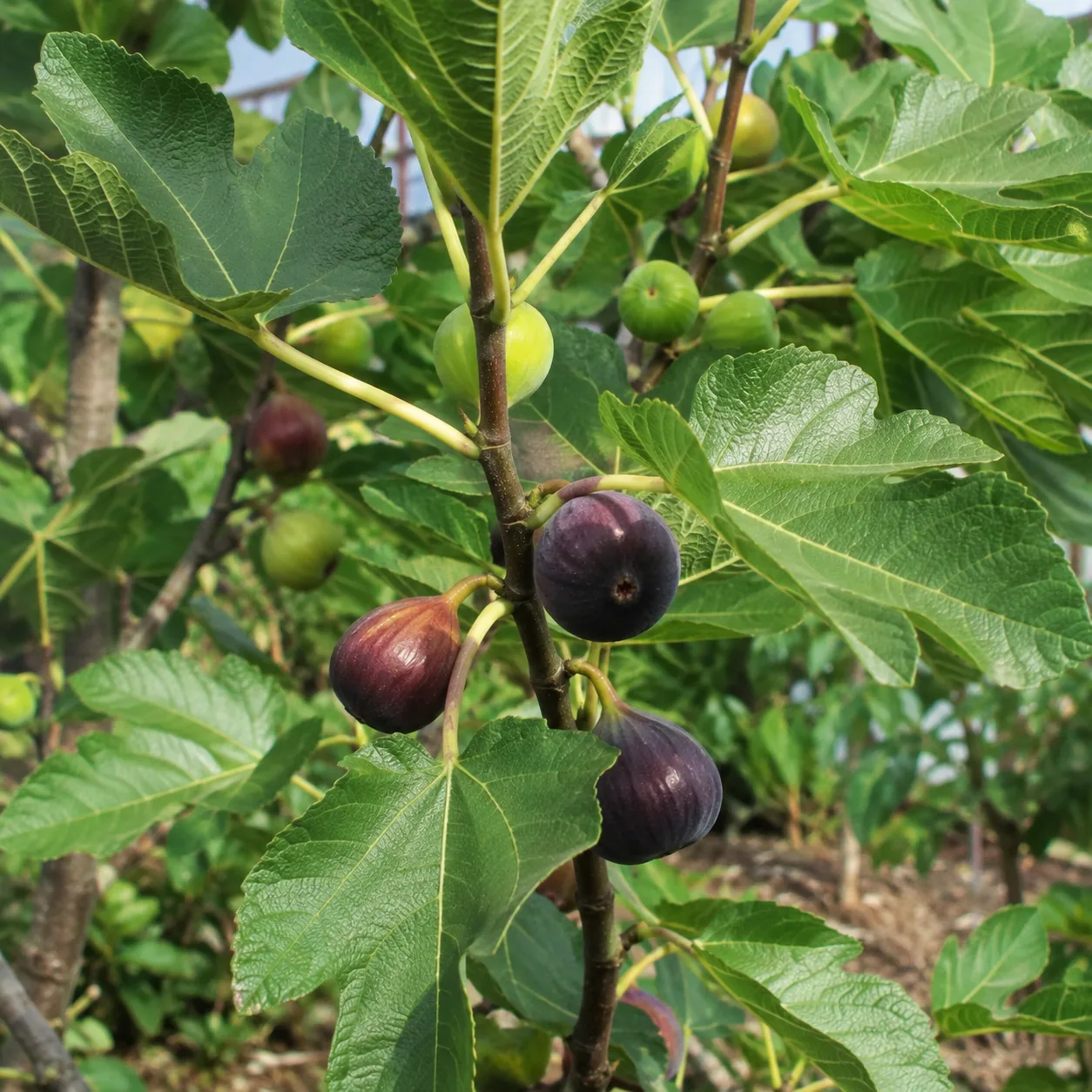
How to Grow Figs: From Planting to a Sweet Harvest
Learn how to successfully grow a healthy fig tree from planting to harvest, including watering, pruning, fertilizing, winter protection, and propagation.

My Backyard Tomato Factory Is Out of Control 🍅
Discover how to maximize your tomato harvest with effective trellising and care strategies. This guide covers everything from plant support to common mistakes, ensuring a bountiful yield.
0 comments
Comments (0)
We love hearing from our community. Share your thoughts, questions, or experience.
Have something to add?
Log in to post, react, share images, and join threads.
Newest First
All Comments
Showing 0-0 of 0
Start the conversation.
Questions and first-hand experience are welcome here.