
Junecity plant care
European Elderberry
Sambucus nigra
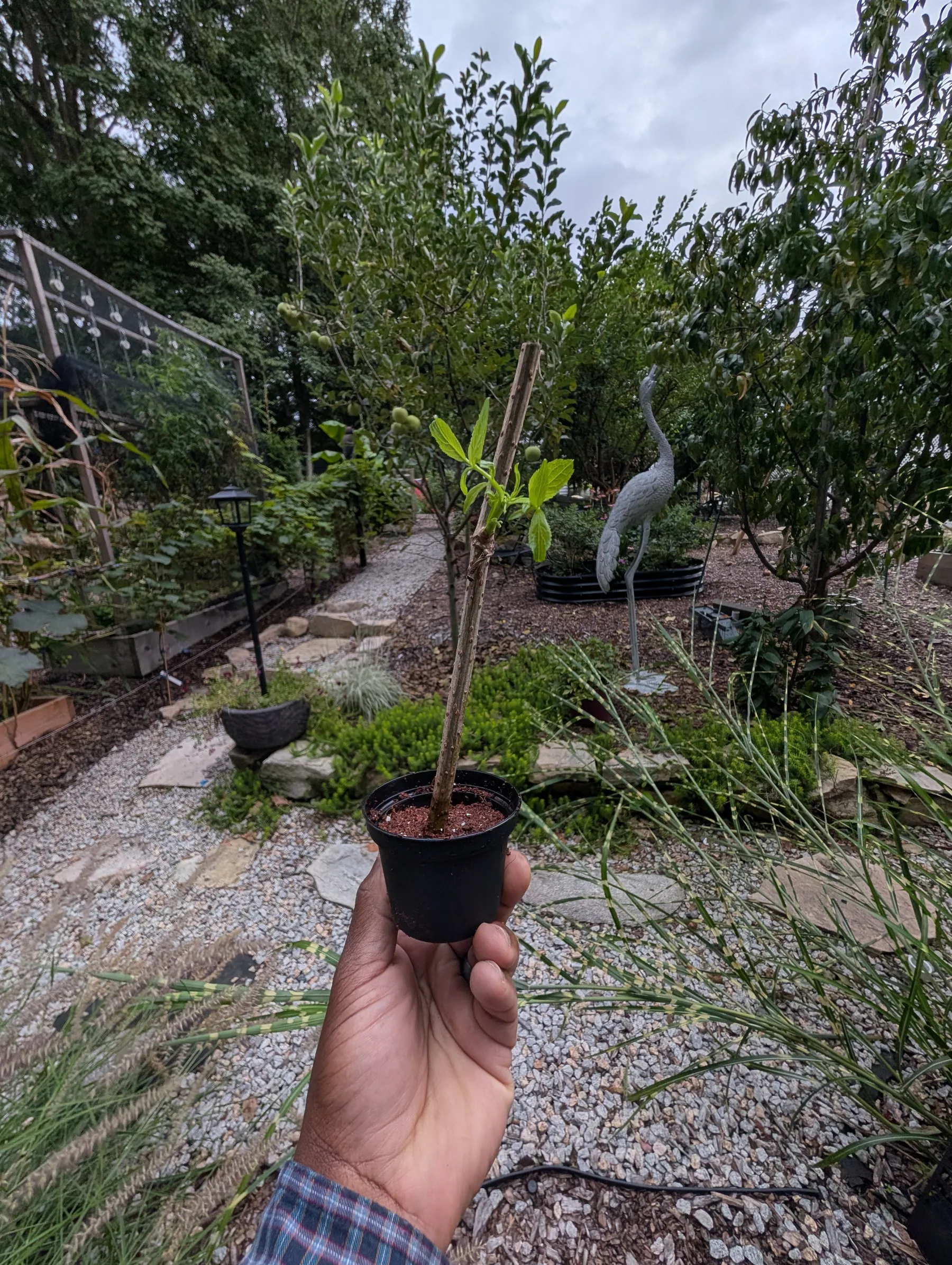
European Elderberry is a vigorous deciduous shrub known for its attractive foliage, creamy-white flower clusters, and dark purple-black berries. It is suitable for edible landscapes and wildlife gardens.
Growing zones
USDA Zones 3-8, with variability depending on specific cultivars and local conditions.
Sun
Full sun to partial shade. Ideally, it should receive at least 6 hours of sunlight per day for optimal growth.
Water
Moderate watering is required. The plant prefers consistently moist soil, especially during the establishment phase.
Soil
Well-draining soil that retains some moisture. A mix of loamy and sandy soil is ideal for healthy root development.
Spacing
Space plants 4 to 6 feet apart to allow for their mature size and to promote good air circulation.
Mature size
Typically grows 6 to 12 feet tall and 6 to 10 feet wide, depending on growing conditions and care.
Planting season
Best planted in spring or early fall when temperatures are moderate, allowing for better establishment.
Fertilizing
Fertilize in early spring with a balanced, slow-release fertilizer to promote healthy growth. Avoid over-fertilizing, which can lead to excessive foliage at the expense of flowers and fruit.
Pruning
Prune in late winter or early spring to remove dead or damaged branches and to shape the plant. Regular pruning encourages better air circulation and fruit production.
Winter care
In colder climates, mulch around the base of the plant to protect the roots from freezing temperatures. Established plants are generally hardy, but young cuttings may need additional protection.
Common problems
No additional guidance has been published yet.
People and pet safety
Generally considered safe for humans and pets when established. However, the berries should be cooked before consumption, and it is advisable to verify with a trusted authority regarding any potential toxicity.