
Junecity plant care
Blackberry
Rubus fruticosus
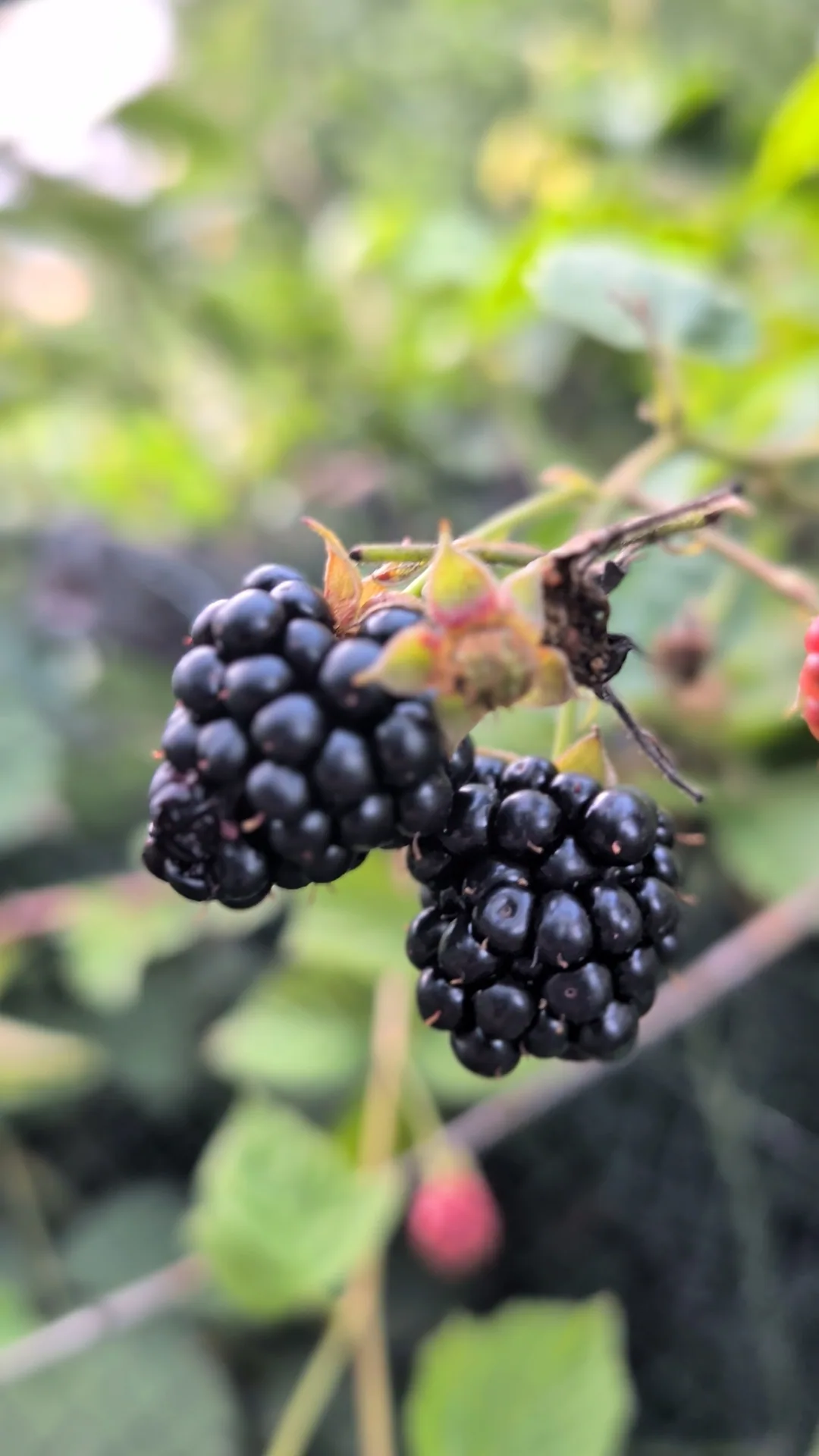
Blackberry plants are vigorous, perennial shrubs that produce sweet, juicy berries. They thrive in sunny locations and can be grown in various climates, making them a popular choice for home gardens.
Growing zones
USDA Zones 5-9, with some cultivar variation. Check specific cultivars for exact zone recommendations.
Sun
Full sun is ideal for optimal fruit production. Aim for at least 6-8 hours of direct sunlight each day.
Water
Water regularly, especially during the establishment phase. Once established, blackberries prefer consistent moisture but should not be waterlogged. Aim for about 1-2 inches of water per week.
Soil
Well-draining soil is essential. A loamy soil rich in organic matter is ideal. Soil pH should be between 5.5 and 7.0.
Spacing
Space plants 3-4 feet apart to allow for growth and air circulation. Rows should be spaced 6-8 feet apart.
Mature size
Blackberry plants can grow 3-6 feet tall and can spread 3-4 feet wide, depending on the variety and growing conditions.
Planting season
Spring is the best time to plant blackberry plants, after the last frost. In warmer climates, fall planting may also be successful.
Fertilizing
Fertilize in early spring with a balanced fertilizer. Follow package instructions for application rates. Avoid over-fertilizing, as this can lead to excessive foliage growth at the expense of fruit.
Pruning
Prune blackberry canes in late winter or early spring. Remove dead or weak canes and thin out crowded areas to improve air circulation. For trailing varieties, pinch back tips to encourage bushier growth.
Winter care
In colder climates, protect plants during winter by mulching around the base. For trailing varieties, consider covering the canes with mulch or straw to prevent freeze damage.
Common problems
No additional guidance has been published yet.
People and pet safety
Blackberry plants are generally non-toxic to humans and pets. However, always verify with a trusted authority regarding specific concerns.