
31°F Last Night… And We’re STILL Harvesting! 🍎🍐🍇

Despite the temperature dropping to 31°F last night, our garden continues to yield a bountiful harvest. From plums to tomatoes, discover how to manage your garden through the cold while still enjoying fresh produce.

At a glance
Key Takeaways
Know Your Crops
Different crops have varying levels of frost tolerance. Familiarize yourself with which plants can withstand cold temperatures.

Protect Sensitive Plants
Use row covers or cloches to shield sensitive plants from frost damage, ensuring they can continue to thrive.
Regular Harvesting
Keep harvesting regularly to encourage your plants to produce more, and to enjoy fresh produce throughout the colder months.
As temperatures dip to 31°F, you might think that the gardening season has reached its end. However, many gardeners are pleasantly surprised to find that their crops continue to thrive even in the cooler weather. In this article, we will explore how to maximize your harvest during the fall and winter months, ensuring your garden remains productive even when the temperature drops.
Why Harvesting Continues in Cold Weather
Plants like apples, pears, grapes, and various squashes can withstand cooler temperatures, allowing them to continue producing fruit. Many of these crops have built-in mechanisms that help them tolerate frost, enabling them to be harvested even after a cold snap. Understanding the factors that contribute to this resilience can help you make the most of your late-season harvests.
Understanding Frost Tolerance
- Frost Hardy Crops: Some plants can tolerate frost without significant damage. Examples include kale, carrots, and certain types of squash. These crops often have thicker cell walls and higher sugar concentrations, which help them survive freezing temperatures.
- Frost Sensitive Crops: Others, like tomatoes and peppers, may be damaged or killed by frost, but can still produce fruit until temperatures drop significantly. It’s essential to recognize when to harvest these crops before frost threatens their health.
Key Takeaways for Cold Weather Harvesting
- Know which crops can handle frost and plan your harvest accordingly.
- Utilize protective measures for sensitive plants, such as row covers or cloches.
- Continue harvesting regularly to prevent overripening and spoilage.
Strategies for Successful Harvesting
Here are some effective strategies to ensure you can continue to harvest from your garden after temperatures drop:
1. Monitor Weather Conditions
Keeping an eye on the weather forecast is crucial for any gardener. Knowing when a frost is expected can help you prepare your plants and schedule your harvesting. A drop in temperature can often be predicted, allowing you to take necessary precautions. Utilize weather apps or local news to stay updated on conditions that may affect your garden.
2. Use Protective Covers
Applying row covers or cloches can help protect sensitive plants from frost. These coverings trap heat and create a microclimate that can keep plants warm enough to continue growing. Additionally, you can use old blankets or sheets as temporary covers during particularly chilly nights. Just remember to remove them during the day to allow sunlight to reach your plants.
3. Harvest Regularly
Make it a habit to check your plants frequently. Regular harvesting not only gives you fresh produce but also encourages the plants to continue producing. For example, frequent harvesting of tomatoes can stimulate the plant to set more fruit. Aim to harvest in the morning when temperatures are cooler for the best quality produce.
Common Mistakes to Avoid
When it comes to harvesting in cooler temperatures, there are several common pitfalls to avoid:
- Ignoring Frost Warnings: Always act on frost warnings to protect your crops. If a frost is predicted, take immediate steps to safeguard your plants.
- Overharvesting: While it's important to harvest regularly, ensure you leave some fruit on the plant to encourage continued production. Removing too much can stress the plant and reduce future yields.
- Neglecting Soil Health: As you harvest, pay attention to your soil. Healthy soil is critical for your plants' resilience. Regularly amend your soil with compost or organic matter to keep it nutrient-rich.
- Failing to Plan for Next Season: After your final harvest, it’s crucial to prepare for the next growing season. Many gardeners overlook this step, which can lead to a less productive garden next year.
Next Steps for Your Garden
After your final harvest, it’s time to prepare for the next growing season:
- Clean up the garden by removing dead plants and debris, which can harbor pests and diseases. Compost healthy plant material and dispose of diseased plants properly.
- Consider planting cover crops to enrich the soil and prevent erosion during the winter months. Species like clover or winter rye can improve soil health and prevent nutrient loss.
- Plan your spring planting, taking notes on what worked well this season and what could be improved. Consider rotating crops to prevent soil depletion and pest issues.
- Invest in soil testing to understand nutrient levels and pH balance. This information will guide your amendments and planting decisions for the upcoming season.
Conclusion
Even with the cold creeping in at 31°F, your garden can still provide a bounty of delicious harvests. By understanding your crops' frost tolerance, using protective measures, and harvesting regularly, you can enjoy fresh produce well into the cooler months. Prepare now for a successful transition into the next growing season!
FAQs
What should I do if frost is predicted?
If frost is predicted, cover sensitive plants with row covers, blankets, or sheets. Watering before a frost can also help protect plants, as moist soil retains heat better than dry soil.
How can I tell if my plants are frost-sensitive?
Research the specific plants in your garden. Generally, tender plants like tomatoes and peppers are frost-sensitive, while hardier crops like kale and carrots can withstand colder temperatures.
Is it safe to eat produce that has been touched by frost?
In most cases, produce that has been lightly touched by frost is safe to eat, but you should check for signs of damage or decay. If the fruit is mushy or has dark spots, it’s best to discard it.
Can I still plant new crops in the fall?
Yes, you can plant certain cool-weather crops in the fall. Consider planting garlic, winter onions, or cover crops to improve soil health over the winter.
What are the best practices for winterizing my garden?
To winterize your garden, clear out debris, mulch around perennials, and protect sensitive plants. Additionally, consider planting cover crops to enrich the soil and prevent erosion.
Photos from this idea
Helpful products for this project
These products were matched to the materials, tools, and care steps discussed in the article.
- Just Good Soil Essential Nutrient Protocol - 3-Step Soil Food System for Organic & Regenerative Gardening, Organic Plant Food & Soil Enhancer for Home Gardening - Sprout_01, Rise_02 & Replenish_03 - View Product: COMPLETE 3-STEP SOIL FOOD SYSTEM: Includes Sprout_01 Soil Life Kickstarter...
- Scotts GrubEx1 Season Long Grub Killer, 5,000 sq. ft. - View Product: Scotts GrubEx1 Season Long Grub Killer can help prevent turf damage by killing...
- Plant Cleaning Wipes by Southside Plants - Gentle, Plant-Based Wipes for Shiny Leaves and Better Photosynthesis - Unscented, Extra Thick Waffle Weave Leaf Wipe for Indoor & Outdoor Plants - 80 Ct - View Product: Clean Leaves for Healthy, Happy Plants & Air - Removing dust, dirt, pollution, and...
- MySoil Soil Test Kit, Unlock Your Lawn & Garden Potential, Complete & Accurate Nutrient and pH Analysis with Recommendations Tailored to Your Soil and Plant Needs - View Product: KNOW BEFORE YOU GROW | Grow the healthiest, sustainable lawn and garden with the...
- Neem Bliss (16 Fl Oz) - Pure Neem Oil Concentrate - 100% Cold Pressed Neem Oil - All-Natural Neem Oil Concentrate - Pure Neem Oil Extract - Unrefined Neem Oil for Hair - Neem Seed Oil Concentrate - View Product: 100% Pure Neem Oil Extract - Plantonix Neem Bliss is pure, unrefined neem oil...
Source: Watch the original YouTube Short.
Keep exploring
Ready to Enhance Your Garden?
Explore our collection of gardening tools and products to make the most of your harvest this fall.Shop Now
Keep growing
Suggested reading
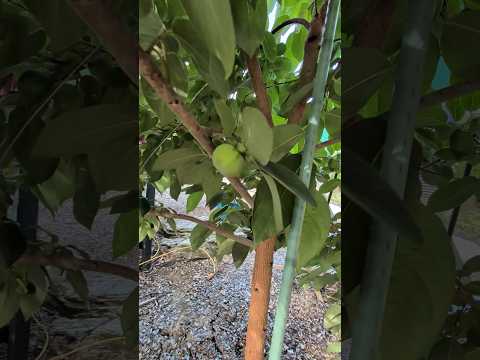
My Persimmon Tree FINALLY Produced! 👀
After three years of care, my persimmon tree has finally produced fruit! Join me as I share the journey, tips for growing persimmons, and what to expect as these fruits ripen in Connecticut.

My Backyard Tomato Factory Is Out of Control 🍅
Discover how to maximize your tomato harvest with effective trellising and care strategies. This guide covers everything from plant support to common mistakes, ensuring a bountiful yield.
0 comments
Comments (0)
We love hearing from our community. Share your thoughts, questions, or experience.
Have something to add?
Log in to post, react, share images, and join threads.
Newest First
All Comments
Showing 0-0 of 0
Start the conversation.
Questions and first-hand experience are welcome here.