
A Bird Got to My Plum First 😳
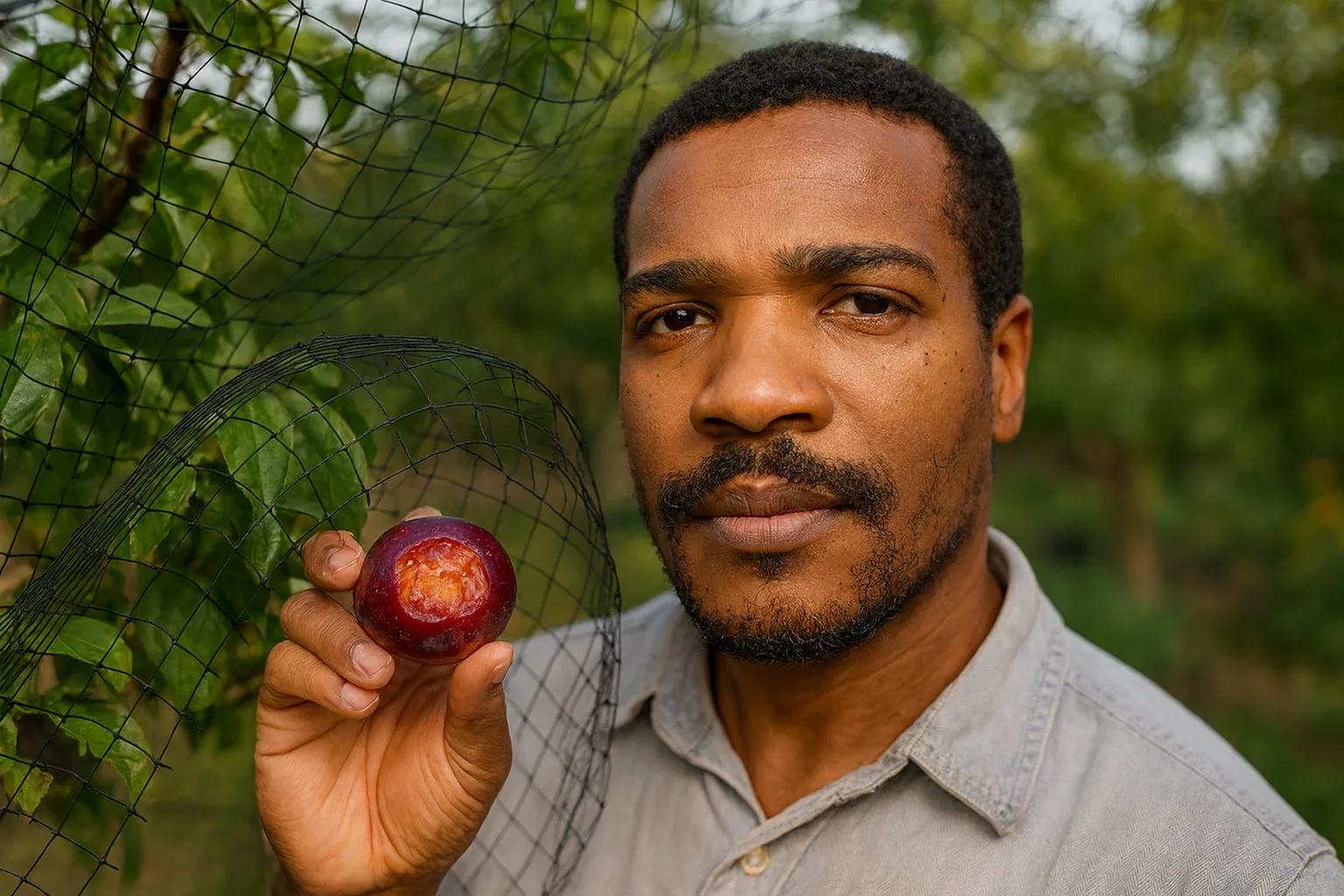
Discover effective ways to protect your plum tree from birds while still enjoying the delicious fruit. Learn how to inspect partially eaten plums and use bird netting effectively.
At a glance
Key Takeaways
Understand Bird Behavior
Birds are attracted to ripe fruit, making it essential to implement protective measures.
Inspect Your Fruit
Carefully check for damage before deciding whether to salvage partially eaten fruit.
Use Bird Netting Effectively
Ensure netting is secure and taut to keep birds from accessing your plums.
Troubleshoot Common Issues
Be prepared to address problems with bird access and fruit damage.
Have you ever found yourself in the garden, excited to harvest your ripe plums, only to discover that a bird got there first? It's a frustrating experience, especially when you’ve put in so much effort to cultivate your plum tree. In this article, we’ll explore effective strategies to protect your plums from feathered thieves while still enjoying the fruits of your labor.
Understanding Bird Behavior
Birds are naturally drawn to ripe fruit, and plums are no exception. Their bright color and sweet aroma can attract various species, making it essential to implement protective measures. Understanding when and why birds are attracted to your fruit can help you devise a more effective strategy for safeguarding your harvest.
During the late spring and summer months, many birds are in search of food to feed their young. This is when they are most likely to target fruit trees. Species such as robins, sparrows, and starlings are common culprits. Additionally, birds have excellent eyesight, allowing them to spot ripe fruit from a distance. Ensuring that your plums are protected as they ripen is crucial for a successful harvest.
Methods to Deter Birds
- Physical Barriers: One of the most effective ways to keep birds away from your plums is by using bird netting. This creates a physical barrier that prevents birds from accessing the fruit. Make sure to choose a netting that is durable and UV resistant.
- Reflective Objects: Hanging reflective tape or old CDs around your garden can scare birds away. The light reflections create movement that birds find unsettling. This method is particularly effective when combined with other deterrents.
- Noise Deterrents: Wind chimes or other noise-making devices can also help deter birds. The unexpected sounds can make them think twice about approaching your fruit. Additionally, you can try using motion-activated devices that emit sounds or noises when birds are detected.
- Decoys: Placing decoys of predatory birds, such as owls or hawks, in your garden can also help scare away smaller birds. These decoys should be moved occasionally to maintain their effectiveness.
Inspecting Your Fruit
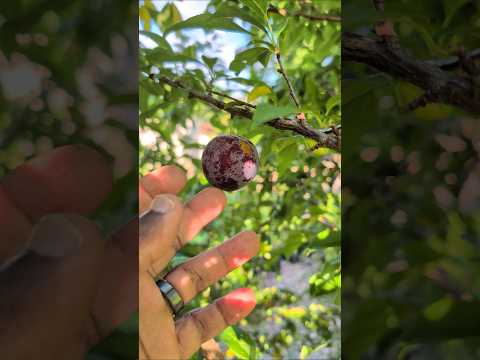
If a bird has sampled your plums, it’s essential to inspect the fruit carefully. Here’s how to determine if the remaining fruit is still good to eat:
- Examine the damaged area: If the damage is minimal, you can cut away the affected part and still enjoy the rest of the fruit. Look for any signs of rot or decay around the bite mark.
- Check for signs of decay: Look for any discoloration or softness in the remaining fruit. If it feels mushy or has an off smell, it’s best to discard it. Ripe fruit should have a pleasant aroma.
- Consider the ripeness: If the plum is fully ripe, it’s likely to be sweet and delicious, even if a bird has taken a small bite. Trust your instincts when it comes to taste. Just be sure to cut away any damaged areas before consuming.
- Assess the overall health of the tree: If birds are consistently damaging your fruit, it may be a sign that your tree is not as healthy as it should be. Regularly inspect your tree for any signs of disease or pest infestations.
Using Bird Netting Effectively
When it comes to protecting your plum tree, bird netting is a go-to solution. Here are some tips for using it effectively:
- Securely fasten the netting around the tree to prevent birds from getting underneath. Make sure there are no gaps, as birds can be quite persistent in finding a way in.
- Choose high-quality netting that is UV resistant and durable, capable of withstanding various weather conditions. Look for netting that can be reused season after season.
- Consider using stakes or weights to keep the netting taut and in place. This will prevent the netting from sagging and creating openings for birds to access your plums.
- Install the netting before the fruit starts to ripen to ensure maximum protection. Monitor the netting throughout the fruiting season to ensure it remains secure.
Troubleshooting Common Issues
Even with protective measures in place, you might encounter some challenges. Here’s how to troubleshoot common issues:
- Birds Still Accessing the Fruit: If you find that birds are still getting to your plums, check for gaps in the netting and ensure it is secured tightly. Consider using additional deterrents alongside the netting for better results.
- Damaged Fruit: If you notice that fruit is being damaged, assess how much has been affected and whether it’s salvageable. Cut away any damaged areas and enjoy the good parts. If the damage is extensive, consider using the fruit for cooking or making preserves rather than eating it raw.
- Netting Issues: If the netting is tearing or sagging, it may be time to replace it. Invest in a more robust netting material that can withstand the elements and the weight of the fruit.
Common Mistakes to Avoid
While protecting your plums, it’s essential to avoid common mistakes that could lead to further issues:
- Not securing bird netting properly: Birds may still access the fruit if the netting is loose or has gaps. Always double-check your netting installation.
- Waiting too long to harvest ripe fruit: Leaving fruit too long can attract more birds and increase the risk of damage. Monitor your tree closely and harvest as soon as the fruit is ripe.
- Using harmful chemicals: Be cautious of using pesticides or chemicals that could harm birds or other wildlife. Opt for organic solutions whenever possible.
Conclusion
Protecting your plum tree from birds doesn’t have to be a daunting task. By understanding bird behavior and implementing effective deterrents like bird netting, you can enjoy a bountiful harvest without the frustration of finding your fruit pecked at. Remember to inspect your fruit carefully to salvage what you can, and take proactive measures to keep those pesky birds at bay!
With these strategies in mind, you can confidently grow and protect your plum tree, ensuring that you get to enjoy the sweet rewards of your hard work. Happy gardening!
Photos from this idea
Helpful products for this project
These products were matched to the materials, tools, and care steps discussed in the article.
- Bird Netting for Garden, 26 x 49FT Heavy Duty Anti Bird Netting Mesh with Ties and Landscape Staples for Vegetable, Fruit Trees & Other Plants, Lasting Against Birds Squirrels and Poultry, Black - View Product: HDPE Material: Different from traditional nylon and polypropylene (PP) materials...
- Just Good Soil Essential Nutrient Protocol - 3-Step Soil Food System for Organic & Regenerative Gardening, Organic Plant Food & Soil Enhancer for Home Gardening - Sprout_01, Rise_02 & Replenish_03 - View Product: COMPLETE 3-STEP SOIL FOOD SYSTEM: Includes Sprout_01 Soil Life Kickstarter...
- Just Good Soil Essential Nutrient Protocol - 3-Step Soil Food System for Organic & Regenerative Gardening, Organic Plant Food & Soil Enhancer for Home Gardening - Sprout_01, Rise_02 & Replenish_03 - View Product: COMPLETE 3-STEP SOIL FOOD SYSTEM: Includes Sprout_01 Soil Life Kickstarter...
- VIVOSUN LumaLight 100W LED Grow Light, Full Spectrum Plant Light, Smart Dimmable & High PPFD for Indoor Plants Seedling Vegetables Bloom, Fits 2×2/2×4 Grow Tents - View Product: Optimized Full Spectrum: With white, blue, red and far-red LEDs (3000K, 5000K...
Source: Watch the original YouTube Short.
Keep growing
Suggested reading

A Jamaican Favorite Is Blooming in Connecticut! 🇯🇲
Discover how to grow the delicious naseberry tree in Connecticut, embracing a piece of Jamaican culture right in your backyard. Learn about the unique conditions, care tips, and the joy of witnessing this tropical fruit bloom in northern climates.

Look What the Garden Gave Me!
Explore the joy of harvesting fresh produce from your garden! Learn how to grow and care for cucumbers, tomatoes, plums, and more.
1 comments
Comments (1)
We love hearing from our community. Share your thoughts, questions, or experience.
Have something to add?
Log in to post, react, share images, and join threads.
Newest First
All Comments
Showing 1-1 of 1
Heather Ferreira
VerifiedJul 27, 2026
Wow that is crazy