
A Jamaican Favorite Is Blooming in Connecticut! 🇯🇲

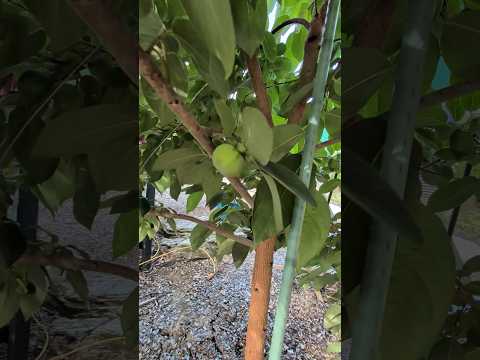
Discover how to grow the delicious naseberry tree in Connecticut, embracing a piece of Jamaican culture right in your backyard. Learn about the unique conditions, care tips, and the joy of witnessing this tropical fruit bloom in northern climates.


At a glance
Key Takeaways

Unique Tropical Experience
Growing a naseberry tree in Connecticut connects you to Jamaican culture and provides delicious fruit.

Essential Care Tips
Ensure well-drained soil and full sunlight for optimal growth and fruit production.

Avoid Common Mistakes
Watch for overwatering and ensure your tree gets enough sunlight to thrive.
The naseberry, or sapodilla, is a beloved tropical fruit native to the Caribbean and Central America, known for its sweet, malty flavor and grainy texture. It's a delightful addition to any garden, and many gardeners in Connecticut are experiencing the joy of growing this Jamaican favorite. In this article, we will explore how to cultivate a naseberry tree in the northern climate, the essential care it requires, and tips for successful fruiting.
Why Grow a Naseberry Tree?
The naseberry tree is not only a source of delicious fruit but also a unique ornamental tree that can enhance your garden's aesthetic. Its lush foliage and fragrant blossoms add beauty and diversity to your landscape. Additionally, growing tropical fruits like the naseberry in cooler climates can be a rewarding challenge that connects you to different cultures and gardening traditions.
By growing a naseberry tree, you can introduce an exotic element to your garden while enjoying the satisfaction of nurturing a plant that thrives in a climate that isn’t its native habitat. The tree can also serve as an educational opportunity, allowing you to learn more about tropical plants and their adaptations.
Understanding the Naseberry Tree
Naseberry trees thrive in warm, tropical climates, but with proper care and attention, they can flourish in Connecticut's cooler temperatures. Here are some key characteristics:
- Growth Habit: Naseberry trees are medium-sized, reaching heights of 30-40 feet in optimal conditions. However, they can be managed through pruning to maintain a smaller size suitable for home gardens.
- Soil Requirements: They prefer well-drained, sandy loam soils with a slightly acidic to neutral pH. If your soil is heavy clay or too sandy, consider amending it with organic matter to improve texture and fertility.
- Sunlight Needs: Full sun is essential for healthy growth and fruit production. A location that receives at least 6 to 8 hours of direct sunlight each day is ideal.
Planting Your Naseberry Tree
When planting a naseberry tree in Connecticut, timing and location are crucial. Here are the steps to successfully plant your tree:
- Choose the Right Location: Select a spot that receives full sunlight for at least 6-8 hours a day. Ensure that the area is protected from strong winds which could damage the young tree.
- Prepare the Soil: Amend the planting area with compost to enhance soil fertility and drainage. Testing the soil pH can help you determine if additional amendments are needed to create the optimal growing environment.
- Planting: Dig a hole twice the width of the root ball and just as deep. Place the tree in the hole and backfill with soil, ensuring the root collar is level with the ground. Water thoroughly after planting to settle the soil.
- Watering: Establish a regular watering schedule, especially in the first few months after planting. Water deeply to encourage root growth, but avoid letting the soil become soggy.
Caring for Your Naseberry Tree
Once planted, ongoing care is vital to ensure your naseberry tree thrives:
- Watering: Keep the soil consistently moist but not waterlogged. Water deeply during dry spells, especially in the summer. Mulching around the base can help retain moisture and suppress weeds.
- Fertilization: Fertilize with a balanced, slow-release fertilizer in early spring. Organic options such as well-rotted compost or a balanced organic fertilizer can also be effective.
- Pruning: Prune in late winter to maintain shape and remove any dead or diseased branches. This will also help to improve air circulation and sunlight penetration within the tree.
- Pest and Disease Management: Regularly inspect your tree for signs of pests such as aphids and scale. Use organic pest control methods when necessary, such as neem oil or insecticidal soap.
Encouraging Fruit Production
One of the most exciting aspects of growing a naseberry tree is watching it flower and produce fruit. Here are tips to maximize your chances of fruiting:
- Pollination: Naseberry trees are typically self-pollinating, but planting more than one tree can enhance fruit set. Introducing pollinators such as bees to your garden can also help with this process.
- Temperature Considerations: Protect your tree from frost during early spring when flowers are developing. Consider using frost cloths or temporary structures to shield the tree during cold snaps.
- Patience: It may take a few years before your tree begins to produce fruit, so be patient and continue with proper care. Once it starts fruiting, you can expect to harvest ripe naseberries in late summer to early fall.
Common Mistakes to Avoid
While growing a naseberry tree can be rewarding, there are common pitfalls to watch out for:
- Overwatering: Ensure the soil drains well to prevent root rot. Monitor the moisture levels, especially during rainy periods or in poorly draining soils.
- Insufficient Sunlight: Make sure your tree gets enough sun; otherwise, it may not bloom or produce fruit. If planting in a garden with taller plants, consider relocating the naseberry tree to a sunnier spot.
- Pest Management: Keep an eye out for pests like aphids and scale; treat them promptly with organic methods to avoid harming beneficial insects.
Conclusion
Growing a naseberry tree in Connecticut is an exciting venture that allows you to enjoy a taste of Jamaica in your own backyard. With the right conditions and care, you’ll witness the beauty of this tropical fruit blooming and, eventually, enjoy its deliciously sweet fruit. Whether you’re an experienced gardener or a novice, the naseberry tree is a fantastic choice for adding diversity to your garden. Embrace the challenge, and you may find that this unique fruit brings joy and satisfaction to your gardening journey.
Photos from this idea
Helpful products for this project
These products were matched to the materials, tools, and care steps discussed in the article.
- VIVOSUN LumaLight 100W LED Grow Light, Full Spectrum Plant Light, Smart Dimmable & High PPFD for Indoor Plants Seedling Vegetables Bloom, Fits 2×2/2×4 Grow Tents - View Product: Optimized Full Spectrum: With white, blue, red and far-red LEDs (3000K, 5000K...
- Neem Bliss (16 Fl Oz) - Pure Neem Oil Concentrate - 100% Cold Pressed Neem Oil - All-Natural Neem Oil Concentrate - Pure Neem Oil Extract - Unrefined Neem Oil for Hair - Neem Seed Oil Concentrate - View Product: 100% Pure Neem Oil Extract - Plantonix Neem Bliss is pure, unrefined neem oil...
- Bare Essentials Living - White Kaolin Clay Powder (2 lb) 100% Natural White Powdered Clay for Seed Bombs, White Clay Mask, DIY Spa, Soap, Bath Bomb, Deodorant, Can be Used as Kaolin Clay for Gardening - View Product: 100% NATURAL WHITE KAOLIN CLAY: This pure and chemical-free kaolin clay powder is...
- Just Good Soil Essential Nutrient Protocol - 3-Step Soil Food System for Organic & Regenerative Gardening, Organic Plant Food & Soil Enhancer for Home Gardening - Sprout_01, Rise_02 & Replenish_03 - View Product: COMPLETE 3-STEP SOIL FOOD SYSTEM: Includes Sprout_01 Soil Life Kickstarter...
- Just Good Soil Essential Nutrient Protocol - 3-Step Soil Food System for Organic & Regenerative Gardening, Organic Plant Food & Soil Enhancer for Home Gardening - Sprout_01, Rise_02 & Replenish_03 - View Product: COMPLETE 3-STEP SOIL FOOD SYSTEM: Includes Sprout_01 Soil Life Kickstarter...
Source: Watch the original YouTube Short.
Keep growing
Suggested reading
My Persimmon Tree FINALLY Produced! 👀
After three years of care, my persimmon tree has finally produced fruit! Join me as I share the journey, tips for growing persimmons, and what to expect as these fruits ripen in Connecticut.

Can I Grow an Avocado Tree in the Ground in Connecticut?
Discover the ins and outs of growing an avocado tree in Connecticut, including suitable conditions, care tips, and potential challenges.
6 comments
Comments (6)
We love hearing from our community. Share your thoughts, questions, or experience.
Have something to add?
Log in to post, react, share images, and join threads.
Newest First
All Comments
Showing 1-3 of 3
Marcus Gonzales
VerifiedAug 22, 2026
Wow I’ve never heard of this!
View 1 replyHide replies
Andre
Sep 2, 2026
Its one of my favorite fruits
Jessica Sherman
VerifiedAug 15, 2026
this is so cool!
View 1 replyHide replies
Andre
Aug 15, 2026
Thank you my lady
Samantha
VerifiedAug 14, 2026
This is really interesting. I'm thinking the moderation of temperatures in Connecticut due to the proximity to the LI Sound and the ocean are helpful in keeping the tree protected from extreme swings in temperature. Curious how it might do in less moderated locations further inland.
View 1 replyHide replies
Andre
Aug 14, 2026
I have them in a greenhouse and the greenhouse is kept warm in the winter so these tropicals will do well