
Are Self-Watering Pots Worth It? Benefits, Limits, and How They Work
See how self-watering pots move moisture from a reservoir, which plants benefit, what can go wrong, and whether a six-pot set fits your routine.
Affiliate disclosure: This article contains Amazon affiliate links. I may receive compensation when you click or make a qualifying purchase. As an Amazon Associate, I earn from qualifying purchases.

Self-watering pots are often described as if they water a plant automatically forever. They do not. What they can do is separate stored water from the main root zone and let moisture move upward through a wick or contact point. That can make container care more consistent and reduce runoff—but only when the plant, potting mix, reservoir, and your refill habits work together.
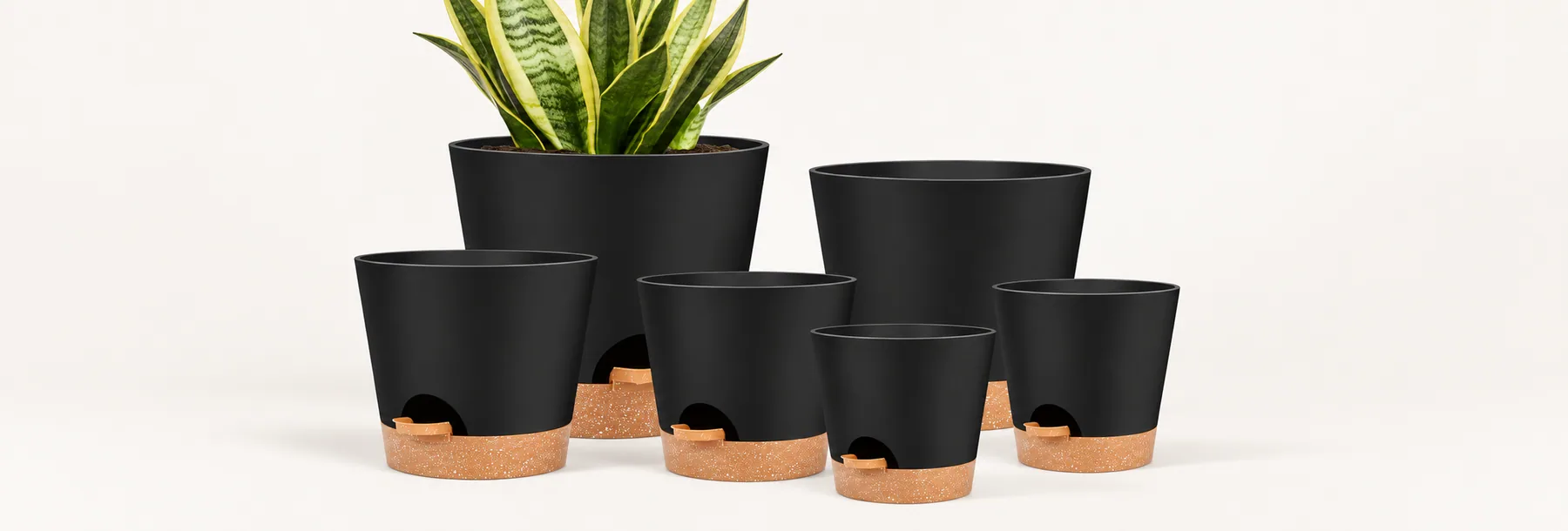
The featured YNNICO set is linked to Amazon ASIN B0CF48K7FY. The listing identifies six black lightweight plastic planters in graduated sizes—approximately 8, 7, 6.5, 6, 5.5, and 5 inches—with drainage holes and saucers. Verify the current package details on Amazon before buying because listing variations can change.
How a self-watering planter works
University of Maryland Extension describes self-watering containers as systems with a water reservoir below a perforated platform. Potting media draws water upward by capillary action, while an air space helps separate the main root zone from standing water. Some roots may eventually grow toward the reservoir.
The important phrase is draws water. A reservoir does not force a thirsty plant to drink, and it does not correct dense, poorly aerated mix. The system depends on a compatible medium and a clear path for moisture.
What to expect from the YNNICO six-pot set
| Listing detail | Practical consideration |
|---|---|
| Six graduated pot sizes | Useful for matching several small and medium plants without putting a tiny root ball in an oversized container. |
| Self-watering design | Can buffer short gaps between waterings once the system is properly primed. |
| Drainage holes and saucers | Support conventional top watering and drainage; confirm how the reservoir is configured before use. |
| Lightweight plastic | Easier to move than heavy ceramic, but large top-heavy plants may need extra stability. |
| ASIN B0CF48K7FY | Identifies the exact catalog product used in the Junecity affiliate card. |
Benefits that matter in real plant care
- More even access to moisture: a functioning wick can reduce sharp wet-to-dry swings for plants that prefer steadier conditions.
- Less surface mess: refilling a reservoir can reduce splashing and soil disturbance.
- Water conservation: contained reservoirs can reduce runoff and evaporation compared with careless overhead watering.
- A visible routine: a reservoir indicator or refill point can make it easier to check the system—if the specific pot includes one.
Limitations sellers rarely emphasize
Self-watering is not the same as maintenance-free. A full reservoir can keep an unsuitable mix too wet. Mineral salts can accumulate. Roots can enter the reservoir. Fungus gnats may still appear if the surface remains damp. Plants that need a pronounced dry period may be poor candidates. You must occasionally top-water, inspect drainage, clean the reservoir, and understand how your plant uses water.
Which plants are good candidates?
Plants that prefer relatively even moisture may adapt well: many tropical foliage plants, herbs, and fast-growing container plants. Cacti, many succulents, plants in dormancy, or any plant already suffering from root rot need more caution. “Self-watering” describes the container mechanism, not a universal care rule.
How to set one up
- Choose a pot only slightly larger than the root ball.
- Use a clean, airy potting mix appropriate for the species.
- Confirm the wick or reservoir contact is correctly installed.
- Water from the top initially so the mix is evenly moist and the wicking pathway is established.
- Allow drainage, then add water to the reservoir according to the product instructions.
- Observe the first few cycles before trusting a refill interval.
Explore the reservoir
The interactive diagram below shows why reservoir level, potting-mix structure, and plant demand all matter. It uses qualitative guidance rather than pretending every plant will empty a reservoir in the same number of days.
Self-watering pot versus a standard pot
| Question | Self-watering pot | Standard drained pot |
|---|---|---|
| Moisture delivery | Reservoir and wicking can smooth the cycle | Depends on each top watering |
| Best user | Someone willing to learn and clean the reservoir | Someone who prefers direct observation and drainage |
| Main risk | Reservoir stays full when plant demand is low | Repeated under- or overwatering from inconsistent technique |
| Plant match | Plants comfortable with more even moisture | Works across more species when care is adjusted |
Who should consider this set?
This six-pack may suit someone consolidating several small houseplants into a coordinated set and willing to monitor each plant separately. It may not suit someone who wants one large statement planter, needs very heavy ceramic stability, or grows mostly drought-adapted species.
Frequently asked questions
Do I keep the reservoir full all the time?
Not automatically. Follow the product instructions and the plant’s needs. Some plants benefit from a pause before refilling, especially in low-light or cool conditions.
Can self-watering pots cause root rot?
They can contribute when the mix lacks air, the reservoir is overfilled, or the plant uses little water. Root rot is a system problem, not simply the presence of a reservoir.
Do I still need drainage?
Yes. Drainage and overflow protection help prevent accidental saturation.
Can I go on vacation?
A reservoir may extend the interval between checks, but duration depends on plant, pot size, light, temperature, and growth. Test the system before relying on it.
Bottom line
Self-watering pots are worth considering when you want a moisture buffer and are prepared to learn the system. The YNNICO six-pack offers coordinated graduated sizes, but the best result still comes from correct pot sizing, an airy mix, a healthy plant, and regular inspection.
Sources: University of Maryland Extension: Self-Watering Containers; University of Maryland Extension: Watering Indoor Plants.
A responsive cross-section showing how reservoir level and plant demand change the next care check.
Keep exploring
Find more Junecity guides
Browse practical gardening, outdoor living, and DIY articles.Browse the blogShop this guide
Affiliate Picks
Tools & supplies I use and recommend
As an affiliate, junecity.studio may earn from qualifying purchases at no additional cost to you.
Keep growing
Suggested reading
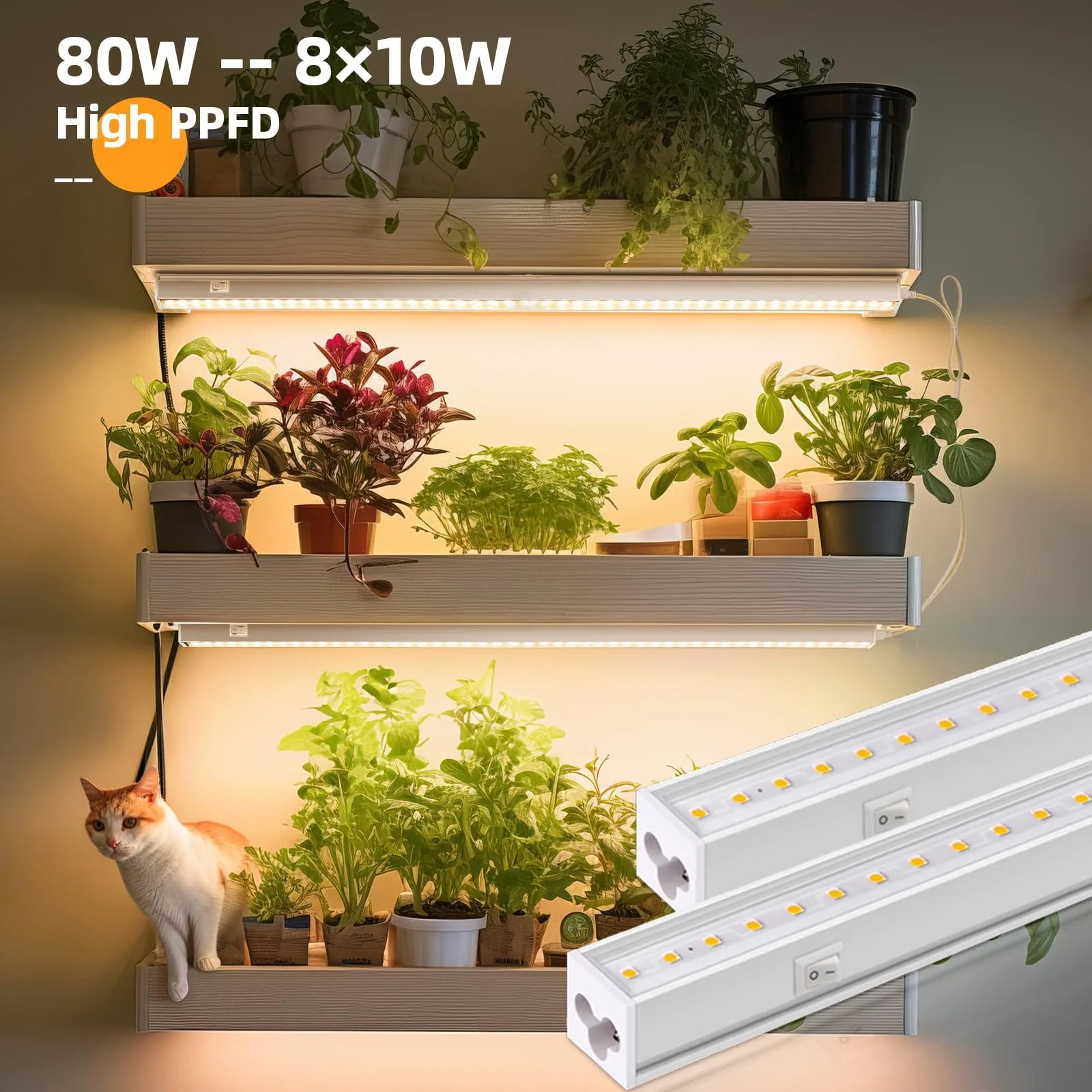
How to Build an Indoor Growing Shelf for Winter: A Complete Beginner's Guide
Build a simple indoor growing shelf for winter seed starting: LED lights, shelving, timers, airflow, and seedling care, step by step.

Building My NEW Greenhouse With Heated Floors! 🔥❄️
Explore the process of building a new greenhouse equipped with heated floors to create an optimal environment for your plants. Discover the steps, materials, and tips to ensure a successful build.
0 comments
Comments (0)
We love hearing from our community. Share your thoughts, questions, or experience.
Have something to add?
Log in to post, react, share images, and join threads.
Newest First
All Comments
Showing 0-0 of 0
Start the conversation.
Questions and first-hand experience are welcome here.