
Deep Root Feeding: The Key to Thriving Plants

Unlock the secrets of deep root feeding to ensure your plants thrive with robust growth and abundant yields. Learn the techniques, benefits, and common mistakes to avoid.

Deep root feeding is a vital technique that gardeners can use to ensure their plants receive the essential nutrients they need for optimal growth. This method not only encourages strong root systems but also enhances overall plant health and productivity. In this article, we will explore the numerous benefits of deep root feeding, the best practices for implementation, common mistakes to avoid, and how to maintain your plants after feeding.
Why Deep Root Feeding Matters
Plants rely on their roots to absorb water and nutrients from the soil. When roots are shallow, plants may struggle to access the necessary resources, especially during dry spells. Deep root feeding helps to:
- Encourage Deep Root Growth: By providing nutrients directly to the root zone, plants are encouraged to develop a more extensive root system. This is particularly beneficial for trees and larger plants that require a robust support system to thrive.
- Improve Nutrient Absorption: Deep roots can access moisture and nutrients that are otherwise out of reach. This is crucial during periods of drought, as plants with deeper roots can tap into water sources that surface roots cannot.
- Enhance Plant Resilience: With a strong root system, plants can better withstand environmental stressors such as drought, disease, and pests. A well-nourished plant is less likely to succumb to these challenges.
How to Implement Deep Root Feeding
To effectively deep root feed your plants, follow these steps:
- Choose the Right Time: The best time for deep root feeding is during the growing season, typically in spring or early summer when plants are actively growing. This is when they can most effectively utilize the nutrients provided.
- Select a Nutrient Solution: Use a water-soluble fertilizer or a specialized rooting gel like Clonex Rooting Gel that promotes root initiation and development. Look for products that contain IBA (Indole-3-butyric acid), which is known to enhance root growth.
- Water Thoroughly: Before applying the nutrient solution, ensure the soil is well-watered. This will help the roots absorb the nutrients more effectively and prevent any potential fertilizer burn.
- Apply the Solution: Use a garden syringe or a similar tool to inject the nutrient solution directly into the root zone of the plant. Aim for a depth of 6-12 inches to ensure the nutrients reach the root system effectively.
- Monitor and Repeat: Observe your plants for signs of growth and health. Repeat the deep root feeding process every few weeks during the growing season to maintain optimal nutrient levels in the soil.
Common Mistakes to Avoid
While deep root feeding can be highly beneficial, there are common pitfalls to be aware of:
- Over-fertilizing: Too much fertilizer can burn roots. Always follow the recommended application rates on the product label and avoid the temptation to apply more than suggested.
- Neglecting Soil Moisture: Ensure the soil is moist before feeding; dry soil can lead to poor nutrient absorption. It's also crucial to maintain moisture after feeding to help the nutrients integrate into the soil.
- Ignoring Plant Needs: Different plants have varying nutrient requirements. Tailor your feeding strategy to the specific needs of each plant, considering factors like plant species, age, and growth stage.
- Feeding at the Wrong Time: Avoid deep root feeding during the dormant season. Plants need nutrients when they are actively growing, so timing your feeding correctly is essential for success.
- Forgetting to Mulch: After deep root feeding, applying mulch can help retain moisture and regulate soil temperature, further supporting healthy root growth.
Maintenance and Next Steps
After deep root feeding, continue to care for your plants by:
- Regularly Checking Soil Moisture Levels: Use a moisture meter or your finger to check the soil's moisture content. Deep roots may take longer to dry out, so be patient and water appropriately.
- Applying Mulch: A layer of organic mulch around the base of your plants can help retain moisture, suppress weeds, and gradually improve soil quality as it breaks down.
- Observing Your Plants: Keep an eye out for any signs of distress or nutrient deficiencies. Yellowing leaves or stunted growth can indicate a need for additional nutrients or adjustments to your feeding schedule.
- Pruning and Trimming: Regularly prune your plants to encourage new growth and maintain their shape. This also allows for better air circulation around the roots.
Frequently Asked Questions
Q: How often should I deep root feed my plants?
A: Generally, deep root feeding can be done every 4-6 weeks during the growing season. However, this can vary based on plant type and soil conditions. Monitor your plants and adjust as necessary.
Q: Can I deep root feed all types of plants?
A: Most plants benefit from deep root feeding, but it’s particularly effective for trees, shrubs, and perennials that have deeper root systems. Annuals and container plants may also benefit but require careful monitoring of nutrient levels.
Conclusion
Deep root feeding is a powerful technique that can transform your gardening experience. By providing targeted nutrition to the roots, you can foster healthier, stronger plants that yield better results. Whether you’re growing flowers, vegetables, or fruit trees, this method is worth incorporating into your gardening practices. Remember to assess your specific plant needs, avoid common mistakes, and maintain proper care to reap the full benefits of deep root feeding.
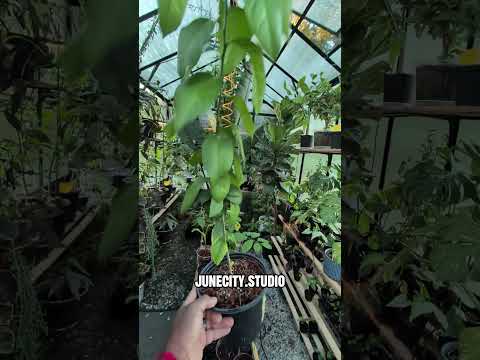
Photos from this idea
Helpful products for this project
These products were matched to the materials, tools, and care steps discussed in the article.
- Clonex Rooting Gel - High-Performance Rooting Compound for Plant Cuttings, Contains IBA, Promotes Root Initiation & Development - 100ml - View Product: HIGH-PERFORMANCE ROOTING GEL - Clonex Rooting Gel is a water-based formula with...
- Syngonium ‘Three Kings’ – 2" Fully Rooted Cutting - Checkout: Syngonium ‘Three Kings’ is a beautiful variegated arrowhead plant known for its...
- 6" Cutting – Fully Rooted Syngonium ‘Three Kings’ - Checkout: Add striking variegation to your collection with a fully rooted Syngonium ‘Three...
- 4” Yellow Dragon Fruit Mature Cutting – Fully Rooted - Checkout: Grow your own tropical fruit with a healthy mature Yellow Dragon Fruit cutting...
- Just Good Soil Essential Nutrient Protocol - 3-Step Soil Food System for Organic & Regenerative Gardening, Organic Plant Food & Soil Enhancer for Home Gardening - Sprout_01, Rise_02 & Replenish_03 - View Product: COMPLETE 3-STEP SOIL FOOD SYSTEM: Includes Sprout_01 Soil Life Kickstarter...
Source: Watch the original YouTube Short.
Keep exploring
Find more Junecity guides
Browse practical gardening, outdoor living, and DIY articles.Browse the blogKeep growing
Suggested reading
Find the Clues. Win the Lemon Tree. 🍋
Join the Junecity.studio Treasure Hunt and learn how to care for your very own Meyer lemon seedling. Discover tips, tricks, and the best practices to grow and nurture this delightful citrus tree!

Growing Sugarcane in Connecticut… and It’s Thriving! 🤯
Discover the secrets to successfully growing sugarcane in Connecticut! Learn how to cultivate this tropical plant, from planting to care, and enjoy a unique addition to your garden.
0 comments
Comments (0)
We love hearing from our community. Share your thoughts, questions, or experience.
Have something to add?
Log in to post, react, share images, and join threads.
Newest First
All Comments
Showing 0-0 of 0
Start the conversation.
Questions and first-hand experience are welcome here.