
Don't Let Your Greenhouse Kill You! 🚨

Using a gas or propane heater in your greenhouse? Don't skip this crucial safety step. Learn more about essential safety measures to protect your plants and yourself.


At a glance
Key Takeaways

Understanding Carbon Monoxide Risks
Carbon monoxide is a silent danger that can arise from gas heaters. Install detectors to keep your greenhouse safe.
Ventilation Is Crucial
Ensure proper airflow in your greenhouse to prevent CO buildup.
Regular Maintenance of Heaters
Inspect and maintain heaters regularly to ensure safe operation.
Introduction
Greenhouses are incredible assets for any gardener, allowing for controlled growing conditions that can extend the growing season and improve plant health. However, as beneficial as they are, greenhouses can also present significant risks, particularly when using gas or propane heaters. These heating systems, while effective, can lead to dangerous situations if not properly managed. This article aims to shed light on essential safety measures when operating these heating systems, ensuring that your greenhouse remains a safe and nurturing environment for your plants and yourself.
Why Safety Matters in Your Greenhouse
When it comes to greenhouse safety, understanding the potential hazards is key. Gas and propane heaters, while effective in maintaining warm temperatures, can emit carbon monoxide (CO) — a colorless, odorless gas that can be lethal in high concentrations. This makes the installation of a carbon monoxide detector an absolute necessity. Beyond CO, other risks include the potential for fires and the dangers associated with improper ventilation. By prioritizing safety, you can enjoy the full benefits of your greenhouse without compromising your health or the health of your plants.
Understanding Carbon Monoxide Risks
- Health Risks: CO can cause headaches, dizziness, confusion, and even death in severe cases. Prolonged exposure to even low levels of CO can lead to chronic health issues.
- Sources of CO: Improperly vented heaters, gas leaks, and malfunctioning appliances can all contribute to CO buildup. Regular checks and maintenance can mitigate these risks.
- Vulnerable Populations: Children, pregnant women, and individuals with pre-existing health conditions are particularly vulnerable to the effects of carbon monoxide.
Essential Safety Measures
Here are some essential safety measures to implement in your greenhouse:
1. Install a Carbon Monoxide Detector
Ensure that a reliable carbon monoxide detector is installed at eye level in your greenhouse. Regularly check and replace batteries to ensure it is functioning correctly. Choose a model that offers an audible alarm and visual indicators for CO levels. Consider placing multiple detectors in larger greenhouses to cover all areas effectively.
2. Ventilation Is Crucial
Proper ventilation helps disperse any potential CO buildup. Ensure that your greenhouse has adequate airflow by using vents, fans, or windows to promote circulation. Install automatic ventilation systems that can adjust based on temperature and humidity levels. This not only helps with CO management but also supports optimal growing conditions for your plants.
3. Regular Maintenance of Heaters
Regularly check and maintain your gas or propane heaters. Look for any signs of wear and tear, and address any issues immediately to prevent dangerous leaks. Schedule annual inspections by a certified technician to ensure that your heating system operates safely and efficiently. Cleaning the heater regularly can also prevent potential hazards arising from dust and debris accumulation.
Choosing the Right Heater
When selecting a heater for your greenhouse, consider the following:
- Efficiency: Look for energy-efficient models that provide adequate heating without excessive energy use. Electric heaters may be safer options, especially for smaller greenhouses.
- Safety Features: Opt for heaters with built-in safety features, such as automatic shutoff and overheat protection. These features can significantly reduce the risk of fire hazards.
- Size and Capacity: Choose a heater that matches the size of your greenhouse. A heater that is too small will struggle to maintain temperatures, while an oversized unit can lead to overheating.
What to Do in Case of CO Alarm
If your carbon monoxide detector goes off, follow these steps:
- Immediately evacuate the greenhouse and move to fresh air. Ensure that everyone present, including pets, is accounted for.
- Call emergency services to report the situation. Provide them with as much detail as possible, including the nature of the alarm and any symptoms experienced.
- Do not re-enter the greenhouse until authorities have deemed it safe. Once the situation is resolved, have your heating system inspected before resuming use.
Common Mistakes to Avoid
Understanding common pitfalls can help enhance greenhouse safety:
- Ignoring Warning Signs: Pay attention to any unusual smells or symptoms among people using the greenhouse. Ignoring these signs can lead to serious health risks.
- Neglecting Routine Maintenance: Skipping regular checks can lead to dangerous situations. Always prioritize maintenance and inspections.
- Overloading Electrical Circuits: If using electric heaters, avoid overloading circuits. Ensure that your electrical system can handle the additional load without risking fires.
Conclusion
While greenhouses are a gardener's paradise, it is crucial to keep safety at the forefront. By following these essential safety measures and remaining vigilant, you can create a safe environment for both your plants and yourself. Remember that the health of your greenhouse depends not only on temperature and humidity but also on your commitment to safety practices. Protect your investment and your well-being by prioritizing these safety tips, and enjoy the many benefits of greenhouse gardening with peace of mind.
Call to Action
For more tips and resources on maintaining a safe and efficient greenhouse, check out our related articles or visit our shop for high-quality greenhouse products. Investing in safety equipment such as CO detectors and efficient heaters can greatly enhance your gardening experience.
Photos from this idea
Helpful products for this project
These products were matched to the materials, tools, and care steps discussed in the article.
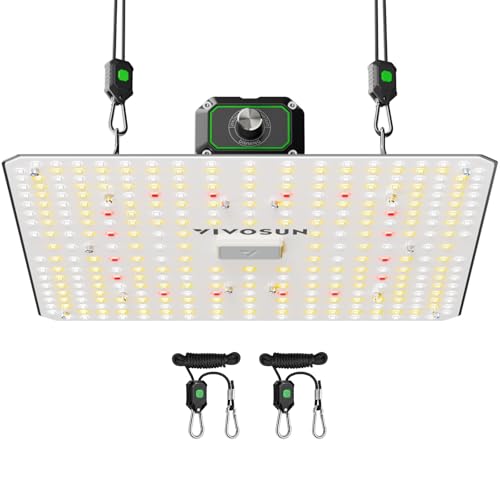
- VIVOSUN LumaLight 100W LED Grow Light, Full Spectrum Plant Light, Smart Dimmable & High PPFD for Indoor Plants Seedling Vegetables Bloom, Fits 2×2/2×4 Grow Tents - View Product: Optimized Full Spectrum: With white, blue, red and far-red LEDs (3000K, 5000K, 660nm and 730nm), this grow light...
- First Alert Plug in Carbon Monoxide Alarm | CO600 - View Product: 120v Ac Plug-in Alarm Test/silence Button
Source: Watch the original YouTube Short.
Shop this guide
Affiliate Picks
Tools & supplies I use and recommend

As an affiliate, junecity.studio may earn from qualifying purchases at no additional cost to you.
Keep growing
Suggested reading

I Tried to Puncture My Greenhouse Heating Pipes! 😱
Discover the resilience of greenhouse heating systems as we explore the tough world of PEX tubing and its practical applications in maintaining a thriving greenhouse.

Protecting Your Banana Trees: Winter Care Tips
Learn how to protect your banana trees from harsh winter conditions with practical tips and techniques for effective winter care.
0 comments
Comments (0)
We love hearing from our community. Share your thoughts, questions, or experience.
Have something to add?
Log in to post, react, share images, and join threads.
Newest First
All Comments
Showing 0-0 of 0
Start the conversation.
Questions and first-hand experience are welcome here.