
I Tried to Puncture My Greenhouse Heating Pipes! 😱

Discover the resilience of greenhouse heating systems as we explore the tough world of PEX tubing and its practical applications in maintaining a thriving greenhouse.


At a glance
Key Takeaways

PEX is Tough
It can withstand significant pressure and is not easily damaged by external forces. This quality makes it suitable for greenhouse environments where debris may accumulate.

Proper Installation Matters
Ensuring that your heating pipes are properly installed and protected can prevent future issues. Proper insulation and strategic placement can enhance durability.

Gravel Can Be a Hazard
Although PEX is durable, be cautious about the materials surrounding it to avoid accidental punctures. Regular maintenance and checks can mitigate risks.

Regular Maintenance is Key
Check your heating systems regularly to ensure they are functioning correctly. This includes inspecting for leaks, checking the thermostat settings, and ensuring proper water flow.
Invest in Quality Equipment
Using high-quality PEX tubing and reliable heating systems will lead to better performance and longevity. Consider investing in products that are specifically designed for greenhouse applications.
Maintaining a greenhouse during the cold months can be a challenge, especially when it comes to ensuring that your heating systems are effective and safe. In this article, we delve into a recent experience where I tested the durability of my greenhouse's radiant heating pipes, specifically ½-inch PEX tubing, against the threat of gravel and other potential hazards.
Understanding Greenhouse Heating
Greenhouses require a reliable heating system to create an ideal environment for plant growth. Radiant floor heating is one popular method that uses warm water circulated through pipes embedded in the floor. This method provides even heat distribution, making it efficient for maintaining consistent temperatures. The importance of a proper heating system cannot be overstated, as it directly affects plant health, growth rates, and yields.
Why PEX Tubing?
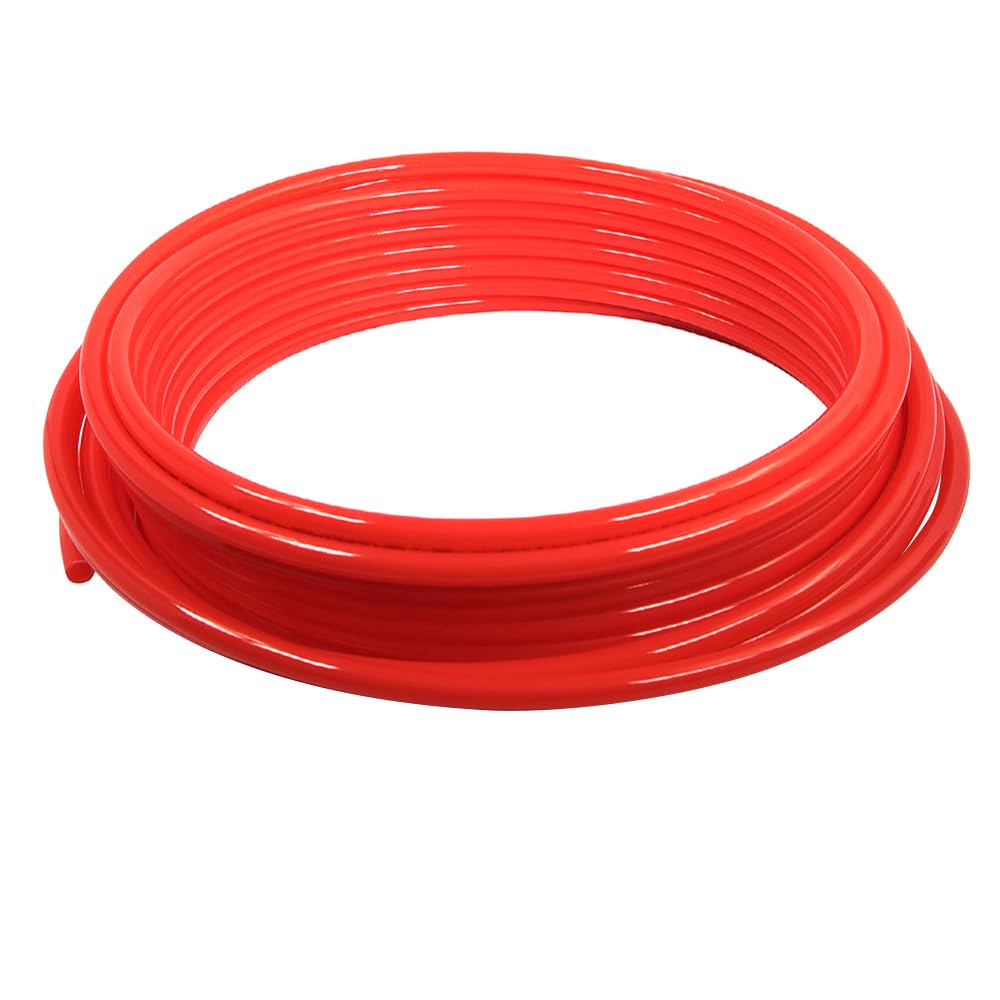
PEX (cross-linked polyethylene) tubing is favored for greenhouse heating systems due to its flexibility, resistance to scaling and chlorine, lower shipping costs, and ease of installation. Here’s why it’s a great choice:
- Durability: PEX can withstand extreme temperatures and pressures, making it ideal for both hot and cold climates.
- Flexibility: Its ability to bend allows for easier installation in various layouts, reducing the number of fittings required.
- Corrosion Resistance: Unlike metal pipes, PEX does not corrode, which extends its lifespan significantly.
- Energy Efficiency: PEX systems are known to be energy-efficient, helping to lower heating costs while providing consistent warmth to plants.
My Experiment with Puncturing the Pipes
In a recent attempt to demonstrate the durability of the PEX tubing, I tried to puncture it with a sharp object while it was buried under a layer of gravel. The results were surprising and informative, shedding light on the practicality of using PEX in greenhouse applications.
Step-by-Step Breakdown
- Preparation: I ensured that the greenhouse was at an ambient temperature to avoid any pressure changes in the pipes. This step is crucial because temperature fluctuations can affect the integrity of the PEX tubing.
- Setting Up the Experiment: I placed a sharp tool directly on top of the gravel, targeting the area where the PEX tubing was installed. This setup mimicked a real-world scenario where gravel or debris might accidentally come into contact with the pipes.
- Applying Force: Gradually, I applied pressure to see if the tubing would puncture. I used a weight to simulate the force that could be exerted by falling debris in a greenhouse environment.
- Results: Surprisingly, the PEX held up without any visible damage, showcasing its resilience. This demonstrated that, under normal circumstances, PEX tubing can withstand external forces without compromising the heating system's integrity.
Key Takeaways from My Experiment
1. PEX is Tough: It can withstand significant pressure and is not easily damaged by external forces. This quality makes it suitable for greenhouse environments where debris may accumulate.
2. Proper Installation Matters: Ensuring that your heating pipes are properly installed and protected can prevent future issues. Proper insulation and strategic placement can enhance durability.
3. Gravel Can Be a Hazard: Although PEX is durable, be cautious about the materials surrounding it to avoid accidental punctures. Regular maintenance and checks can mitigate risks.
4. Regular Maintenance is Key: Check your heating systems regularly to ensure they are functioning correctly. This includes inspecting for leaks, checking the thermostat settings, and ensuring proper water flow.
5. Invest in Quality Equipment: Using high-quality PEX tubing and reliable heating systems will lead to better performance and longevity. Consider investing in products that are specifically designed for greenhouse applications.
Maintaining Your Greenhouse Heating System
To ensure that your greenhouse heating system operates efficiently, consider the following maintenance tips:
- Insulate Pipes: Use insulation on your pipes to prevent heat loss and protect against freezing. Insulation helps maintain the desired temperature within the greenhouse, reducing energy costs and promoting plant health.
- Monitor Temperature: Regularly check the greenhouse temperature to ensure it remains within the ideal range for your plants. Use reliable thermometers or smart temperature sensors to get accurate readings.
- Check for Leaks: Inspect your PEX tubing regularly for any signs of leaks or damage. Leaks can lead to significant heat loss and wasted energy, so addressing them promptly is vital.
- Use a Reliable Heater: Consider investing in a high-quality greenhouse heater to maintain optimal growing conditions. Heaters with built-in thermostats can automate the heating process, ensuring that the greenhouse maintains a consistent temperature.
- Clean the Area: Keep the gravel and surrounding areas clear of debris. This practice not only protects the PEX tubing but also reduces the risk of pests and disease within the greenhouse.
- Test Water Flow: Periodically check the water flow through the PEX system to ensure that it is not obstructed. Blockages can cause uneven heating and potential damage to the system.
- Seasonal Checks: Before the temperatures drop, perform a comprehensive check of your heating system to ensure it is operating optimally. This proactive measure can prevent emergencies during the cold months.
Common Mistakes to Avoid
When setting up and maintaining your greenhouse heating system, it's important to be aware of common mistakes that can lead to inefficiencies or damage:
- Ignoring Insulation: Failing to insulate pipes can lead to heat loss, increasing energy costs and putting plants at risk during cold spells.
- Neglecting Regular Maintenance: Skipping regular checks can result in unnoticed problems that may escalate, leading to costly repairs or damage to plants.
- Overloading the System: Using a heating system that is not designed for the size of your greenhouse can lead to inadequate heating or system failure. Choose a system that is appropriately sized for your space.
- Inadequate Temperature Monitoring: Failing to monitor temperatures can leave plants vulnerable to extreme conditions. Use multiple thermometers for accuracy.
- Using Poor Quality Products: Cheap materials can lead to frequent replacements and increased costs over time. Invest in quality components for long-term reliability.
Conclusion
This experiment illustrates the toughness of PEX tubing and reinforces the importance of proper installation and maintenance of your greenhouse heating system. By taking the necessary precautions and regularly checking your setup, you can create a thriving environment for your plants throughout the year.
In conclusion, understanding the mechanics behind greenhouse heating systems and the materials used can significantly enhance your gardening success. With the right approach, your greenhouse can become a sanctuary for your plants, allowing you to cultivate a wide variety of species regardless of external weather conditions.
Frequently Asked Questions
Q: What is the best way to heat a greenhouse?A: The best way to heat a greenhouse depends on your specific needs, but radiant floor heating is often the most efficient for maintaining an even temperature. Options such as electric heaters, propane heaters, or wood stoves can also be effective, depending on your setup and budget. Q: How often should I check my greenhouse heating system?
A: It’s advisable to check your heating system at least once a month during the colder months to ensure everything is working properly. Regular checks can help you catch any issues before they become serious problems. Q: Can I use regular water pipes for greenhouse heating?
A: It is not recommended to use regular water pipes for greenhouse heating as they may not withstand the temperature changes and pressures involved. PEX tubing is designed specifically for these applications, making it a safer and more efficient choice. Q: What temperature should I maintain in my greenhouse?
A: The ideal temperature for a greenhouse varies by plant type, but generally, maintaining temperatures between 70°F to 80°F during the day and slightly cooler at night is beneficial for most plants.
Photos from this idea
Helpful products for this project
These products were matched to the materials, tools, and care steps discussed in the article.
- Govee Smart Thermometer Hygrometer, WiFi Humidity Temperature Sensor with App Notification Alert, 2 Years Free Data Storage Export, Wireless Remote Monitor for Room Greenhouse Incubator Wine Cellar - View Product: Two Ways to Connect: Easily monitor temp and humidity data in real time from...
- BN-LINK Durable Seedling Heat Mat for Seed Starting 10" x 20.75", Waterproof Warming Mat Plant Heating Pad for Seed Germination, Indoor Growing, Hydroponic, Greenhouse, ETL Listed - View Product: IDEAL GERMINATION TEMPERATURE: The BN-LINK seedling heat mat helps maintain...
- 10 Pack Tomato Roller Hooks with 49.2FT String,Tomato Roller Hooks for Greenhouse,Plant,Flower Vine Crop Trellis Kit - View Product: High Quality Material:Our tomato hooks are made of robust rope and iron...
- HG Power 12 Inch Attic Fan with Thermostat, 971 CFM Shutter Exhaust Fan with Smart Temperature Humidity Controller, Wall Mounted Greenhouse Fan with EC Motor for Garage, Shed Ventilation, Black - View Product: Smart Thermostat: Equipped with a smart controller, our 12 inch exhaust fan with...
- Armpow 12 Inch Zip Ties Black 1000 PCS, 60 Lbs- Heavy Duty Tensile Strength, Nylon PA66 UV Resistant Cable Ties for Indoor and Outdoor Use - Ideal for object bundling and fastening - View Product: 【Zip Tie Details】 Specifications Length: 12in | Width: 0.18in | Maximum Diameter...
Source: Watch the original YouTube Short.
Frequently Asked Questions
The best way to heat a greenhouse depends on your specific needs, but radiant floor heating is often the most efficient for maintaining an even temperature. Options such as electric heaters, propane heaters, or wood stoves can also be effective, depending on your setup and budget.
It’s advisable to check your heating system at least once a month during the colder months to ensure everything is working properly. Regular checks can help you catch any issues before they become serious problems.
It is not recommended to use regular water pipes for greenhouse heating as they may not withstand the temperature changes and pressures involved. PEX tubing is designed specifically for these applications, making it a safer and more efficient choice.
The ideal temperature for a greenhouse varies by plant type, but generally, maintaining temperatures between 70°F to 80°F during the day and slightly cooler at night is beneficial for most plants.
Keep exploring
Ready to Enhance Your Greenhouse?
Explore our recommended products for maintaining an ideal greenhouse environment.Shop NowShop this guide
Affiliate Picks
Tools & supplies I use and recommend


As an affiliate, junecity.studio may earn from qualifying purchases at no additional cost to you.
Keep growing
Suggested reading
How to Heat a Greenhouse in Winter
Inside my Connecticut greenhouse heating system: calculate winter heat loss, explore the water loop and radiant floor, and watch the complete eight-part build series.

DIY Greenhouse Heating: Connecting My Boiler to Radiant Floor Heating
Learn how to effectively connect your boiler to a radiant floor heating system in your greenhouse, ensuring a warm and productive environment for your plants during the winter months.
0 comments
Comments (0)
We love hearing from our community. Share your thoughts, questions, or experience.
Have something to add?
Log in to post, react, share images, and join threads.
Newest First
All Comments
Showing 0-0 of 0
Start the conversation.
Questions and first-hand experience are welcome here.