
Growing Grapes from Store-Bought Seedless Grapes: A Surprising Journey

Discover how I transformed store-bought seedless grapes into thriving plants and learn the practical steps to germinate seeds from your favorite fruits.

Have you ever bought a bunch of grapes labeled as seedless, only to discover seeds inside? This happened to me, and instead of discarding them, I decided to plant the seeds. To my surprise, they germinated! In this article, I will share my journey of growing these grapes from grocery store fruit and offer practical tips for anyone looking to try this at home.
Why Grow Grapes from Store-Bought Fruits?
Growing your own grapes can be a rewarding experience. Not only does it allow you to have fresh fruits right in your backyard, but it also gives you the satisfaction of nurturing a plant from seed to harvest. Additionally, growing grapes can help you save money in the long run and may even lead to discovering unique varieties that aren’t available in stores.
Furthermore, homegrown grapes often taste better than their store-bought counterparts, as they can be harvested at their peak ripeness. This homemade approach to grape growing can lead to a deeper appreciation for the fruit, as you observe the entire growth cycle from seed to grape cluster.
Understanding Seedless Grapes
Seedless grapes are typically bred to be more convenient for consumers. They are often marketed as a snack, easy to eat without the hassle of seeds. However, many seedless varieties can still produce seeds due to genetic variations or cross-pollination. These seeds can be germinated if you know how to handle them properly. Understanding the biology of these grapes is essential to set realistic expectations when growing them from seeds.
In commercial production, seedless grapes are usually grown through a process called parthenocarpy, where fruit develops without fertilization, leading to seedless grapes. However, if a seedless grape is cross-pollinated with a seeded variety, it can produce seeds. This genetic complexity makes it possible for home gardeners to potentially grow new grape plants from what they thought were seedless grapes.
Steps to Germinate Grapes from Seeds
- Collect the Seeds: After enjoying your grapes, rinse the seeds and allow them to dry completely. Collecting seeds is the first step in your grape-growing journey. Make sure to handle the seeds gently to avoid damaging them.
- Prepare the Seeds: Soak the seeds in water for 24 hours to help soften the seed coat. This soaking process is crucial as it mimics natural conditions that seeds would experience in the wild, promoting germination.
- Plant the Seeds: Fill small pots with a seed-starting mix, plant the seeds about half an inch deep, and water them gently. Ensure that the soil is well-draining to prevent waterlogging, which can lead to seed rot.
- Provide the Right Environment: Place the pots in a warm area (ideally between 70°F to 85°F) and cover them with plastic wrap to maintain humidity. This creates a greenhouse effect that is beneficial for seed germination.
- Light Requirements: Once germination occurs, provide adequate light using grow lights or a sunny window. Grapes require a lot of light, so ensure your seedlings are getting at least 12-16 hours of light per day.
- Transplanting: Once seedlings develop a few true leaves, transplant them into larger pots or directly into your garden. When transplanting, be sure to handle the seedlings by their leaves, not the stems, to avoid damage.
Tips for Successful Germination
- Maintain consistent moisture in the soil without overwatering. The soil should be moist but not waterlogged, as excess water can lead to fungal issues.
- Use a seedling heat mat to regulate temperature. This is especially useful if you live in a cooler climate, as it helps maintain the ideal temperature for germination.
- Consider using grow lights to ensure your seedlings get enough light, especially in low-light conditions. LED grow lights are energy-efficient and provide the spectrum of light that plants need for healthy growth.
Common Mistakes to Avoid
Growing grapes from seeds can be a bit tricky. Here are some common mistakes to watch out for:
- Ignoring Temperature: Grapes need warmth to germinate, so ensure they are in a warm environment. If the temperature drops below 70°F, germination may be delayed or fail.
- Overwatering: Too much water can lead to seed rot. Keep the soil moist but not soggy. It's better to err on the side of underwatering than overwatering.
- Neglecting Light Needs: Insufficient light can stunt growth, so be sure to provide ample light once the seeds germinate. If seedlings stretch too much, they are likely not getting enough light.
What to Expect After Germination
Once your seeds have germinated and grown into seedlings, it's time to care for them. Grapes require full sun, well-drained soil, and regular watering. As they grow, you can train them to climb trellises or allow them to sprawl on the ground. This training can help maximize space and yield in your garden.
As your grape plants mature, they will need support. Building a simple trellis or using stakes can help the vines grow upward, promoting better air circulation and sunlight exposure. Additionally, be mindful of pests that may be attracted to your young plants.
Conclusion
Growing grapes from store-bought seedless grapes is not only possible but can also be a fun and educational experience. With patience and care, you can enjoy the fruits of your labor and perhaps even create your own unique grape variety. Remember to document your journey, as this can help you learn and improve your gardening skills for future seasons.
In addition to growing grapes, consider experimenting with other fruits and vegetables from your local grocery store. Many fruits, such as tomatoes, avocados, and peppers, can also be grown from seeds found in the fruit you purchase.
FAQs
- Can all seedless grapes be germinated? Not all seedless grapes will germinate, but many varieties can produce viable seeds that are germinated.
- How long does it take for grape seeds to germinate? Grape seeds can take anywhere from a few weeks to several months to germinate, depending on the conditions.
- What kind of soil is best for growing grapes? A well-draining potting mix is ideal for starting grape seeds. Consider using a mix specifically designed for seed starting.
Photos from this idea
Helpful products for this project
These products were matched to the materials, tools, and care steps discussed in the article.
- Barrina T5 Grow Light, 5000K White Full Spectrum LED Grow Light 2ft, 8 Pack - View on Amazon: 5000K White Full Spectrum Light: Barrina T5 grow lights 2ft provide indoor plants with full-spectrum sunlight...
- HQAUT 10/8/6/5 Inch Large Clear Nursery Pots with Drainage Holes, 16 Pack Gallon Clear Plastic Pots for Plants, Seedling Starter Pot, Garden Plant Pots for Succulents Flowers - View Product: Variety Pack Nursery Pots : You will get 5/6/8/10 inch plant pots (4 of each size), 16 pack in total which are...
- BN-LINK Durable Seedling Heat Mat for Seed Starting 10" x 20.75", Waterproof Warming Mat Plant Heating Pad for Seed Germination, Indoor Growing, Hydroponic, Greenhouse, ETL Listed - View Product: IDEAL GERMINATION TEMPERATURE: The BN-LINK seedling heat mat helps maintain temperatures around 70°F to 85°F, the...
- VIVOSUN Seedling Heat Mat with Thermostat - View Product: Reliable Results: The VIVOSUN professional heat mat maintains optimal temperatures around 68-86℉ (20-30℃), perfect...
- VIVOSUN LumaLight 100W LED Grow Light, Full Spectrum Plant Light, Smart Dimmable & High PPFD for Indoor Plants Seedling Vegetables Bloom, Fits 2×2/2×4 Grow Tents - View Product: Optimized Full Spectrum: With white, blue, red and far-red LEDs (3000K, 5000K, 660nm and 730nm), this grow light...
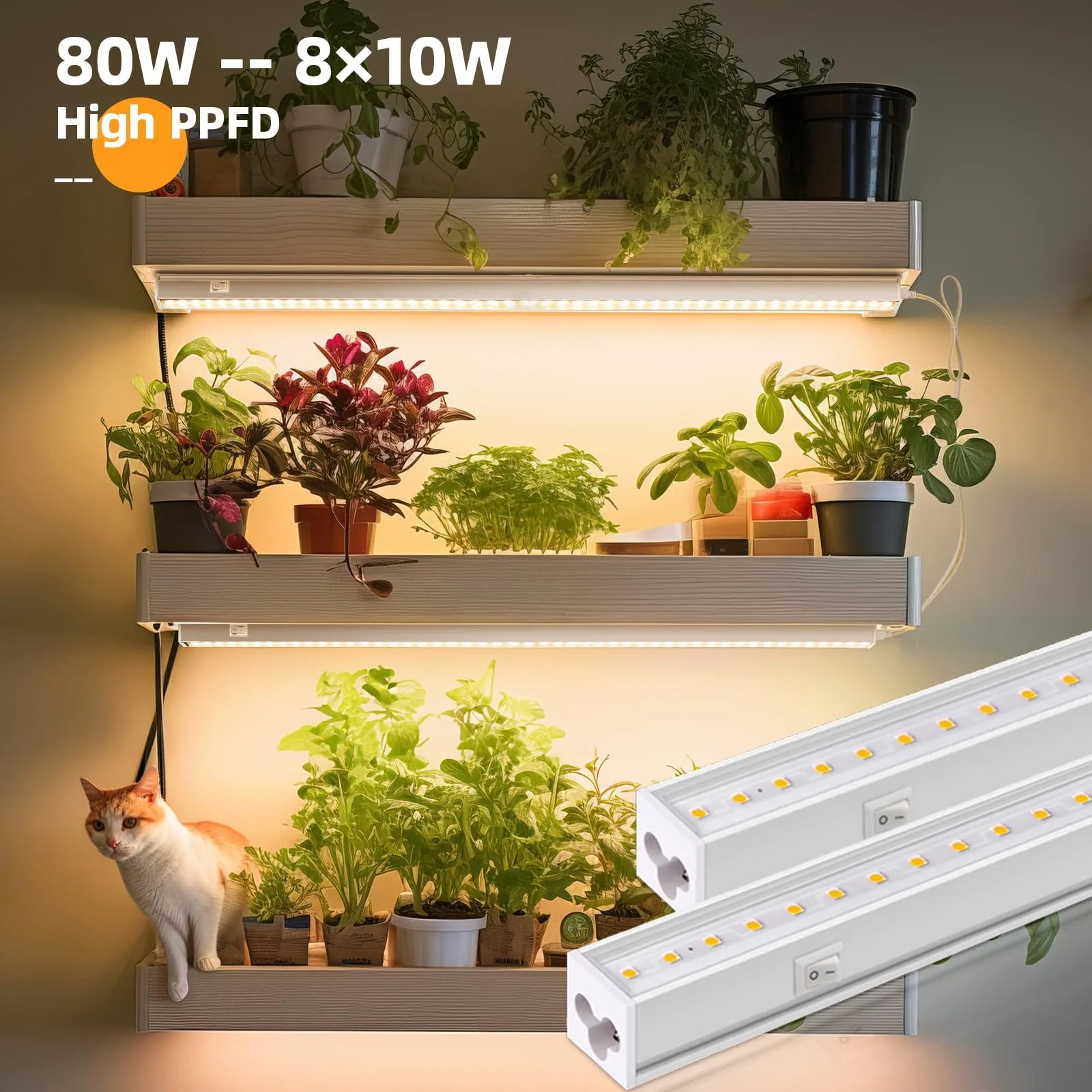
- Barrina T5 Grow Lights for Indoor Plants, Full Spectrum, 2FT, 8 Packs | 80W (8 x 10W) LED Grow Light, Linkable Plant Lamp for Indoor Growing, Seed Starting, Vegetables and Greens, Pinkish White - View Product: Full Spectrum (Pinkish White Color): Barrina T5 grow lights 2ft provide indoor plants with full-spectrum sunlight...
Source: Watch the original YouTube Short.
Keep exploring
Find more Junecity guides
Browse practical gardening, outdoor living, and DIY articles.Browse the blogShop this guide
Affiliate Picks
Tools & supplies I use and recommend


As an affiliate, junecity.studio may earn from qualifying purchases at no additional cost to you.
Keep growing
Suggested reading

The Garden Didn’t Get the Memo That Summer Is Over 😂🍅🌶️
Even as September rolls in, your garden keeps delivering a bountiful harvest. Discover tips for managing late-season crops and ensuring your vegetable garden thrives well into fall.
How to Build an Indoor Growing Shelf for Winter: A Complete Beginner's Guide
Build a simple indoor growing shelf for winter seed starting: LED lights, shelving, timers, airflow, and seedling care, step by step.
0 comments
Comments (0)
We love hearing from our community. Share your thoughts, questions, or experience.
Have something to add?
Log in to post, react, share images, and join threads.
Newest First
All Comments
Showing 0-0 of 0
Start the conversation.
Questions and first-hand experience are welcome here.