
How Moss Poles Help Monstera and Climbing Houseplants Grow Upright

Learn how to size, install, and use a moss pole for Monstera and other climbing houseplants, with an interactive support planner and honest buying guidance.
Affiliate disclosure: This article contains Amazon affiliate links. I may receive compensation when you click or make a qualifying purchase. As an Amazon Associate, I earn from qualifying purchases.

When a Monstera, pothos, philodendron, or other climbing houseplant starts leaning across a shelf, the problem is usually not that the plant is unhealthy. It is often trying to grow the way it would in nature: upward, with support. A moss pole can give that growth somewhere intentional to go while helping you keep the plant easier to position, rotate, and care for.
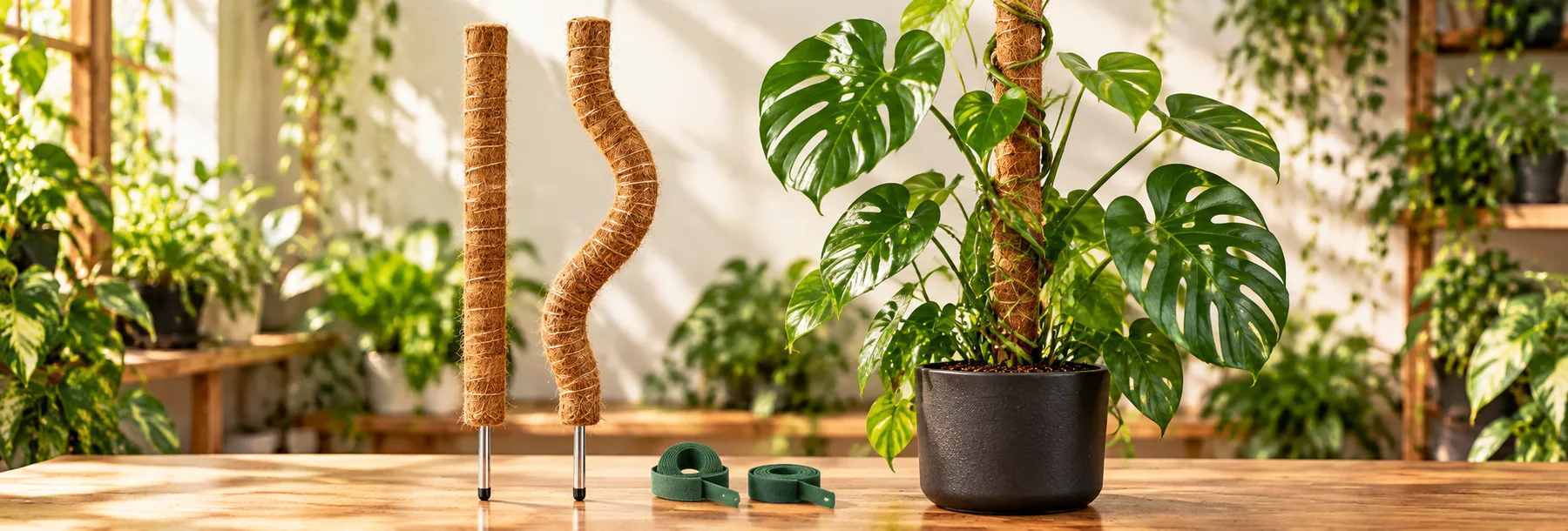
This guide explains how moss poles work, how to size one, where to place it, how to attach stems without damaging them, and when a simple stake or trellis may be the better choice. The featured option is the Craft911 29-inch bendable plant support, two-pack, matched to Amazon ASIN B0FC2CD87C through Junecity’s authorized product catalog.
Why climbing houseplants need support
Many popular aroids are natural climbers. Monstera deliciosa, for example, grows in the understory and develops nodes along its stem. A support does not force a plant to climb; it gives the stem and aerial roots a stable surface while you guide new growth. Support can also reduce flopping, keep leaves facing a useful direction, and make a large plant fit a room more neatly.
Support is not a substitute for correct light, watering, potting mix, or root space. A stretched plant in very low light will not become compact simply because it has a pole. Treat the pole as one part of the growing system.
What the Craft911 bendable moss poles offer
The Amazon listing identifies this product as a two-pack of 29-inch bendable supports for climbing indoor plants. The bendable form is useful when you want a gentle curve instead of a rigid vertical line. Because the exact listing image and destination are supplied by the existing Amazon integration, the product card below remains connected to the saved ASIN and Junecity affiliate tracking.
| Listing detail | What it means in practice |
|---|---|
| 29-inch support | Useful for small-to-medium climbing houseplants; measure from soil level, not from the floor. |
| Bendable form | Can follow a planned curve, but should not be bent sharply enough to weaken the support. |
| Two-pack | Can support two plants or create a wider guided shape where the pot and stems allow. |
| Amazon ASIN B0FC2CD87C | Confirms the product card and image refer to the requested listing. |
How to choose the right pole height
Measure from the top of the potting mix to the highest point where the main stem needs support. A pole needs enough length below the surface to remain stable, so the full listed length is not the usable above-soil height. If the plant is already taller than the support, plan for an extension or a taller system rather than tying the newest growth downward.
Use the interactive support planner below as a practical starting point. It does not predict growth rate; it helps you compare plant height, stem habit, and the amount of support you want available.
Installing a moss pole without damaging roots
- Inspect the plant first. Identify the main stem, nodes, aerial-root side, and the direction you want future leaves to face.
- Choose the back of the plant. Place the pole near the stem side with aerial roots, not in front of leaf petioles.
- Insert carefully. For an established root ball, work slowly near the pot edge. If resistance is strong, stop rather than forcing the support through major roots.
- Secure the main stem. Use soft ties with room for thickening. Do not tie leaf petioles; they need to move toward light.
- Recheck monthly. Loosen or move ties, guide new stem growth, and confirm the pole is still stable.
Moss pole, stake, or trellis?
| Support | Best for | Limitation |
|---|---|---|
| Moss-style pole | Climbing aroids and plants that benefit from close stem guidance | Needs careful placement and ongoing tie checks |
| Simple stake | A single leaning stem or temporary support | Offers less surface area for aerial roots |
| Trellis | Multiple vines spreading across a wider shape | Can be harder to remove during repotting |
| Hanging basket | Plants you prefer to trail rather than climb | Does not create an upright growth habit |
Care after installation
Keep your normal watering decision based on the potting mix and the plant—not on the pole alone. Check that ties stay soft and loose, rotate only if doing so will not pull the stem away from its support, and prune only for a clear horticultural reason. The University of Minnesota notes that Monstera prefers bright to medium indirect light and warns against oversized containers; those fundamentals still matter after support is added.
Who should consider this product?
This two-pack may suit someone with a small or medium Monstera, pothos, heartleaf philodendron, or similar climber that needs a shaped support. It may not be the right choice for a very tall mature specimen, a heavy stem requiring a rigid structural support, or a plant you want to trail naturally.
Frequently asked questions
Will a moss pole make Monstera leaves larger?
A support can help a climbing plant grow in a more natural orientation, but leaf size also depends on maturity, genetics, light, nutrition, root health, and overall care. A pole alone cannot guarantee larger or fenestrated leaves.
Should I tie aerial roots to the pole?
Guide the main stem gently and let aerial roots make contact where practical. Avoid tight ties around roots or leaf petioles.
Can I add a pole without repotting?
Sometimes, especially near the pot edge, but resistance may indicate a dense root ball. Repotting can give you better visibility and safer placement.
Does a moss pole need to stay wet?
That depends on the product construction and plant-care goal. Do not keep the whole pot excessively wet just to moisten a support. Follow the listing instructions and your plant’s root-zone needs.
Bottom line
A well-sized support can turn a sprawling climber into a plant that is easier to display and manage. The Craft911 bendable two-pack is worth considering when you want a compact, shapeable option and understand that light, root care, watering, and gentle training still do the real horticultural work.
Sources: University of Minnesota Extension: Monstera deliciosa; Penn State Extension: Repotting Houseplants.
An interactive planning guide for comparing plant height and support needs.
Keep exploring
Find more Junecity guides
Browse practical gardening, outdoor living, and DIY articles.Browse the blogShop this guide
Affiliate Picks
Tools & supplies I use and recommend
As an affiliate, junecity.studio may earn from qualifying purchases at no additional cost to you.
Keep growing
Suggested reading
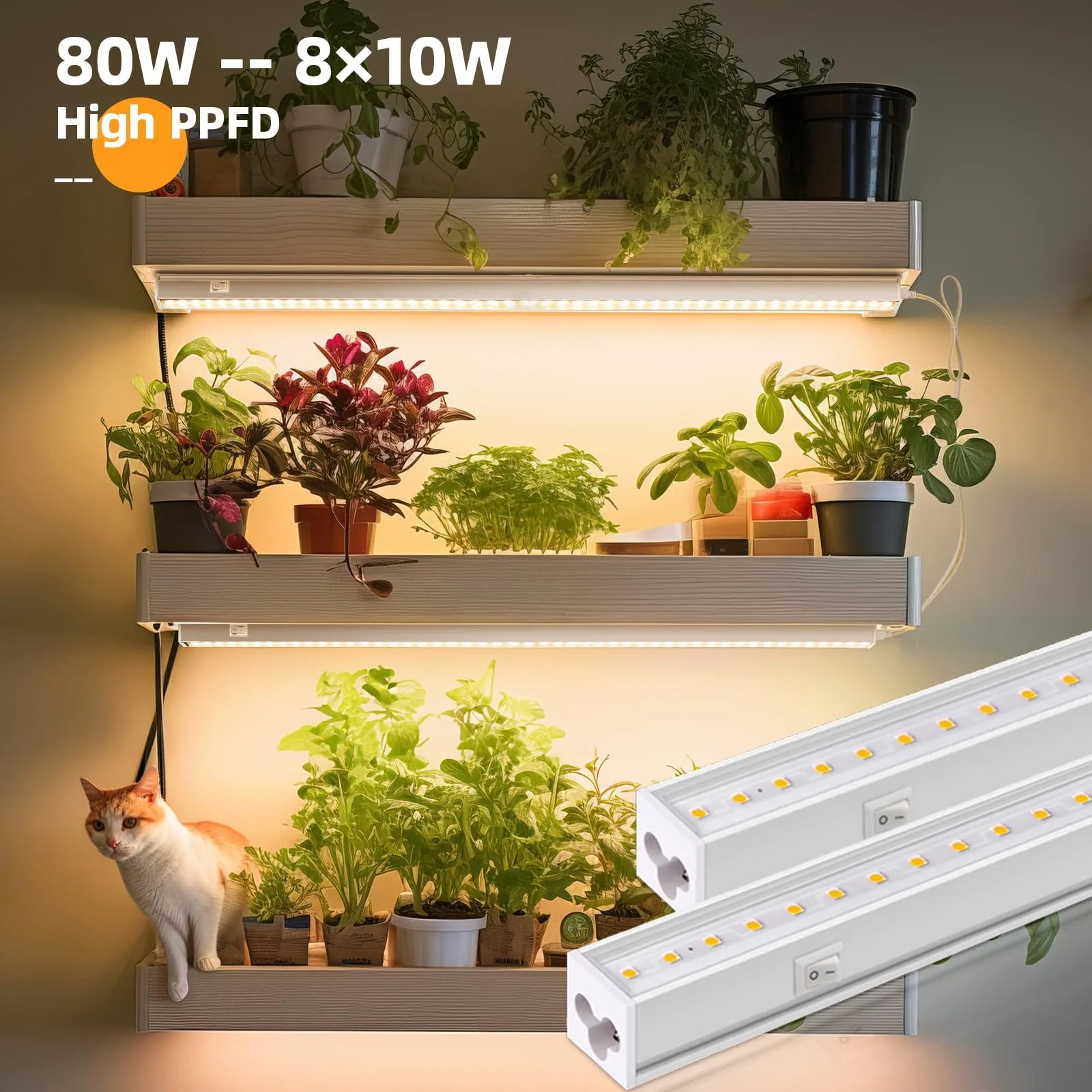
How to Build an Indoor Growing Shelf for Winter: A Complete Beginner's Guide
Build a simple indoor growing shelf for winter seed starting: LED lights, shelving, timers, airflow, and seedling care, step by step.

I’m Never Buying Garlic Again 🧄
Discover how to grow your own garlic at home and never buy it again. This guide covers everything from planting to harvesting.
0 comments
Comments (0)
We love hearing from our community. Share your thoughts, questions, or experience.
Have something to add?
Log in to post, react, share images, and join threads.
Newest First
All Comments
Showing 0-0 of 0
Start the conversation.
Questions and first-hand experience are welcome here.