
How to Grow Figs: From Planting to a Sweet Harvest

Learn how to successfully grow a healthy fig tree from planting to harvest, including watering, pruning, fertilizing, winter protection, and propagation.

At a glance
Key Takeaways

Choosing the Right Variety
Select fig varieties suited to your climate for better growth and flavor.

Proper Watering Techniques
Deep watering once a week promotes healthy root development.

Pruning for Productivity
Prune in late winter to encourage new fruiting branches.
Introduction
Figs are a delicious and nutritious fruit that can be grown in various climates. Known for their sweet taste and unique texture, figs can be enjoyed fresh, dried, or used in a variety of recipes. This comprehensive guide will walk you through the entire process of growing figs, from selecting the right variety to harvesting your sweet rewards. Whether you're a seasoned gardener or a beginner, you’ll find practical advice to cultivate healthy fig trees.
Choosing the Right Fig Variety
Before planting, it’s crucial to select a fig variety suited to your climate and taste preferences. Different varieties have distinct flavor profiles and growth habits. Common varieties include:
- Black Mission: This variety produces sweet, dark-skinned figs that are excellent for fresh eating and drying. They thrive in warm climates and are known for their rich flavor.
- Brown Turkey: A hardy variety, Brown Turkey figs produce large, sweet figs. They are suitable for cooler climates and can tolerate some frost, making them a popular choice for northern gardeners.
- Kadota: These greenish-yellow figs are great for canning and preserves. They have a mild flavor and are often used in commercial products.
- Celeste: Known for its sweet, rich flavor, Celeste figs are small and purple. They are excellent for fresh eating and are very cold-hardy.
- Adriatic: These figs are prized for their sweetness and are often used in desserts. They are greenish with a pink interior and thrive in sunny environments.
Planting Figs
Figs thrive in full sun and well-drained soil. Follow these steps for planting to ensure your fig tree gets the best start:
- Choose a sunny site: Select a location that receives at least 6-8 hours of sunlight daily. Figs love the heat and require plenty of sun for optimal growth.
- Prepare the soil: Fig trees prefer well-drained soil. Mix in compost or well-rotted manure to improve drainage and fertility. Aim for a slightly acidic to neutral pH (around 6.0 to 7.0).
- Dig the hole: Dig a hole that is twice the width and depth of the root ball. This allows the roots to spread easily and establishes a strong foundation.
- Place the tree: Remove the fig tree from its container and gently loosen any tightly bound roots. Place the tree in the hole, ensuring the top of the root ball is level with the ground surface to prevent rot.
- Backfill and water: Backfill the hole with soil, gently tamping it down to remove air pockets. Water thoroughly to help settle the soil around the roots.
After planting, apply a layer of mulch around the base of the tree to retain moisture and suppress weeds. Keep the mulch several inches away from the trunk to avoid rot.
Watering and Fertilizing
Proper watering and fertilization are key to healthy fig trees:
- Watering: Figs require consistent moisture, especially during dry spells. Water deeply once a week, allowing the soil to dry slightly between waterings. Avoid overwatering, which can lead to root rot.
- Fertilizing: Use a balanced fertilizer, such as 10-10-10, in early spring as new growth begins. Apply again in mid-summer to promote growth. Alternatively, organic fertilizers like compost or well-rotted manure can provide nutrients without the risk of over-fertilization.
- Signs of Overwatering: Leaves may turn yellow and drop, or the tree may exhibit stunted growth. If you notice these signs, reduce watering and ensure proper drainage.
Pruning Figs
Pruning is essential for maintaining the shape of your fig tree and encouraging fruit production. Here’s how to prune effectively:
- Timing: Prune in late winter or early spring before new growth begins. This timing encourages vigorous new growth and fruiting.
- Remove dead or damaged branches: Cut away any branches that show signs of disease or damage. This helps prevent pests and diseases from spreading.
- Thin out crowded areas: Remove branches that cross or rub against each other to improve air circulation and light penetration.
- Cut back last year’s growth: Trim back the previous year’s growth to promote new fruiting branches. Aim for a balanced structure that allows light to reach the center of the tree.
Regular pruning not only helps with fruit production but also keeps the tree healthy and manageable in size.
Winter Protection
In colder climates, figs may require winter protection to survive freezing temperatures:
- Mulching: Cover the base of the tree with a thick layer of mulch to insulate the roots and protect them from freezing temperatures.
- Wrapping the trunk: If temperatures drop significantly, wrap the trunk with burlap or frost cloth to insulate it. This can prevent damage to the bark, which is sensitive to cold.
- Container Trees: If you’re growing figs in containers, move them indoors or to a sheltered area during winter to protect them from frost.
- Monitoring: Keep an eye on the weather forecast. If extremely cold temperatures are expected, additional protection may be necessary, such as covering the entire tree with frost cloth.
Propagation Techniques
Figs can be propagated through several methods, allowing you to expand your garden or share with friends:
- Cuttings: Take 6-8 inch cuttings in late winter when the tree is dormant. Dip the cut end in rooting hormone to encourage root development. Plant the cuttings in a mix of coco coir and perlite, keeping them moist until roots develop.
- Air Layering: This method involves encouraging roots to form on a branch while it’s still attached to the parent tree. Make a small cut in the bark of a healthy branch, apply rooting hormone, and wrap it in moist sphagnum moss. Once roots form, cut the branch and plant it.
- Grafting: For those looking to combine characteristics of different fig varieties, grafting can be an effective method. This requires skill but can result in a tree that produces multiple types of figs.
Propagation can be a rewarding way to expand your fig garden or share your success with others. It’s also an excellent way to preserve heirloom varieties.
Harvesting Figs
Figs are usually ripe in late summer to early fall, depending on the variety and climate. Here are signs of ripeness:
- Softness: Ripe figs should feel slightly soft to the touch. Press gently to check for ripeness.
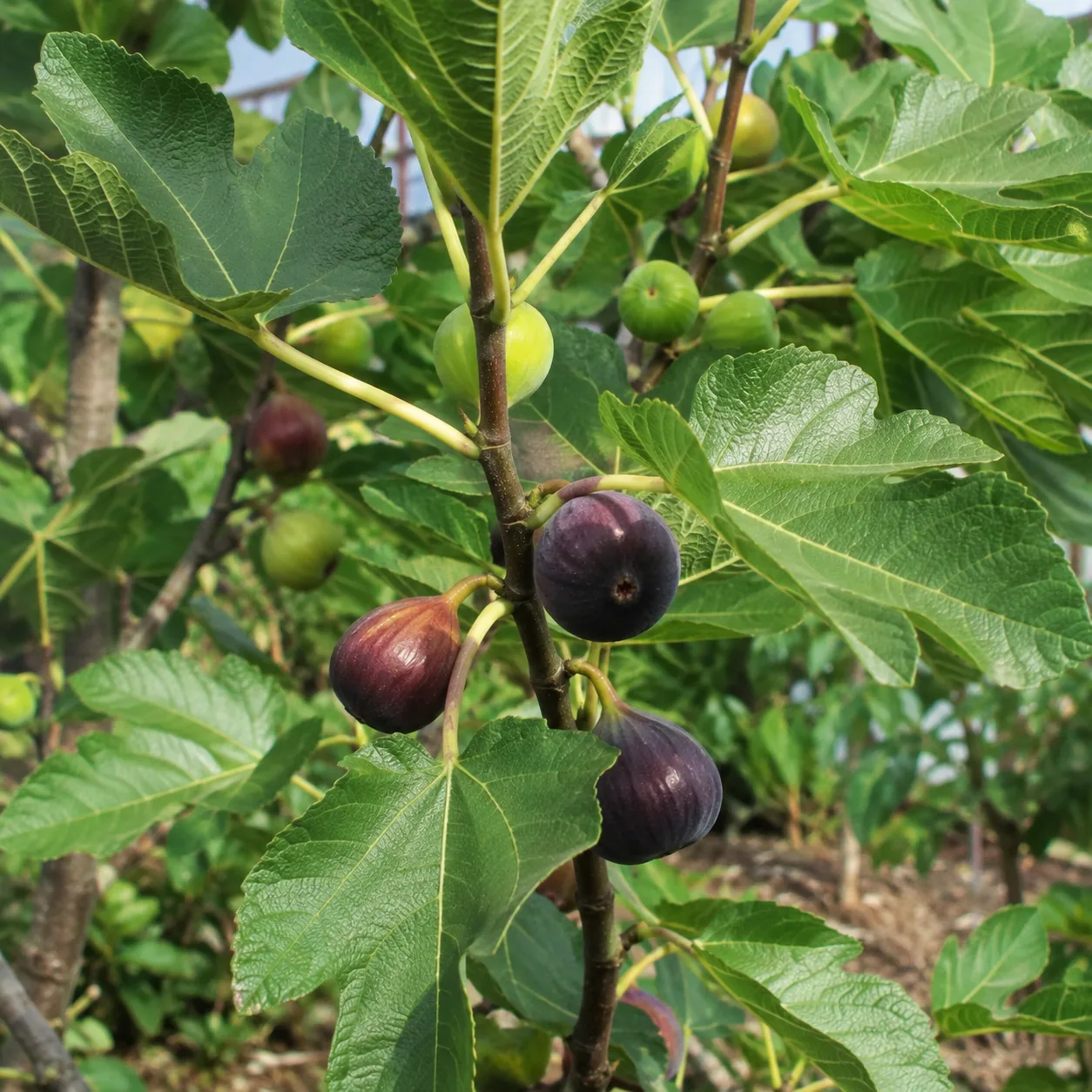
- Color Changes: The color of figs changes depending on the variety. For example, Black Mission figs will turn a deep purple when ripe.
- Ease of Harvest: Ripe figs will easily detach from the tree with a gentle tug. If they resist, they may need more time to ripen.
Once harvested, figs can be eaten fresh, dried, or used in various recipes. They are delicious in salads, desserts, and preserves. Store fresh figs in the refrigerator for a few days but enjoy them quickly for the best flavor.
Common Problems and Solutions
Like any fruit tree, fig trees can face challenges. Here are some common problems and their solutions:
- Pests: Common pests include fig beetles and aphids. Use insecticidal soap or neem oil to manage infestations. Regularly inspect the leaves and fruit for signs of pests.
- Diseases: Figs can be susceptible to root rot if overwatered. Ensure proper drainage and avoid watering too frequently. Fungal infections can be treated with fungicides.
- Fruit Drop: If your figs are dropping prematurely, it could be due to stress from lack of water or nutrients. Ensure consistent watering and proper fertilization.
- Leaf Drop: If leaves are yellowing and dropping, check for overwatering or nutrient deficiencies. Adjust your watering schedule and consider fertilizing.
Conclusion
Growing figs can be a rewarding experience, providing you with a delicious fruit and a beautiful tree. By following this guide, you can successfully cultivate figs in your garden and enjoy the fruits of your labor. With the right variety, proper care, and attention to detail, your fig tree can thrive and produce bountiful harvests for years to come.
Keep exploring
Ready to Start Growing Figs?
Explore our recommended products to help you on your fig-growing journey.Shop NowKeep growing
Suggested reading

A Jamaican Favorite Is Blooming in Connecticut! 🇯🇲
Discover how to grow the delicious naseberry tree in Connecticut, embracing a piece of Jamaican culture right in your backyard. Learn about the unique conditions, care tips, and the joy of witnessing this tropical fruit bloom in northern climates.

The Garden Didn’t Get the Memo That Summer Is Over 😂🍅🌶️
Even as September rolls in, your garden keeps delivering a bountiful harvest. Discover tips for managing late-season crops and ensuring your vegetable garden thrives well into fall.
0 comments
Comments (0)
We love hearing from our community. Share your thoughts, questions, or experience.
Have something to add?
Log in to post, react, share images, and join threads.
Newest First
All Comments
Showing 0-0 of 0
Start the conversation.
Questions and first-hand experience are welcome here.