
I Cloned My Nectarine Tree in Just Over a Month!

Discover the magic of air layering as we explore the process of cloning a nectarine tree, including tips and insights for successful propagation.


At a glance
Key Takeaways

What is Air Layering?
A propagation method that encourages roots to grow on a branch while it's still attached to the parent plant.

Benefits of Air Layering
Cloning through air layering is quick, space-efficient, and maintains genetic consistency.
Air layering is a fascinating propagation technique that allows you to create new plants from existing ones. In this article, we'll dive into the process of cloning a nectarine tree, a method that can yield impressive results in just over a month!
Why Air Layering?
Air layering is beneficial for several reasons:
- Quick Results: As demonstrated with our nectarine tree, roots can develop in just over a month.
- Genetic Consistency: The cloned plant will maintain the same characteristics as the original.
- Space Efficient: You can propagate plants without taking up too much room, making it ideal for smaller gardens.
Steps to Clone Your Nectarine Tree
-
Choose a Healthy Branch:
Select a healthy, mature branch on your nectarine tree that is about 1 year old.
-
Prepare the Branch:
Make a downward cut about one-third of the way through the branch. This will encourage root growth.
-
Wrap with Moist Medium:
Cover the cut area with a moist medium such as sphagnum moss, ensuring it stays hydrated.
-
Wrap with Plastic:
Wrap the moss with plastic wrap to hold moisture, securing both ends with tape.
-
Wait for Roots to Develop:
Check the wrapped area periodically for moisture. In about 4-6 weeks, you should see roots forming.
-
Sever and Plant:
Once roots are established, cut the branch below the new roots and plant it in a suitable potting mix.
Common Mistakes to Avoid
- Overwatering: Ensure the moss is moist but not soggy; too much water can cause root rot.
- Using a Weak Branch: Always select a healthy branch for the best results.
- Neglecting Light: After planting, provide adequate sunlight for the new plant to thrive.
Next Steps for Your New Tree
After your nectarine tree is successfully cloned and potted, remember to:
- Water regularly but do not overwater.
- Fertilize lightly to encourage growth.
- Monitor for pests and diseases.
FAQ
Can I clone other fruit trees using air layering? Yes, many fruit trees can be successfully cloned using this method, including apples, cherries, and figs. How long does it take for roots to develop? Typically, it takes about 4-6 weeks for roots to form, but this can vary based on the plant and environmental conditions.With a little patience and care, cloning your nectarine tree can be a rewarding gardening project. Happy propagating!
Photos from this idea
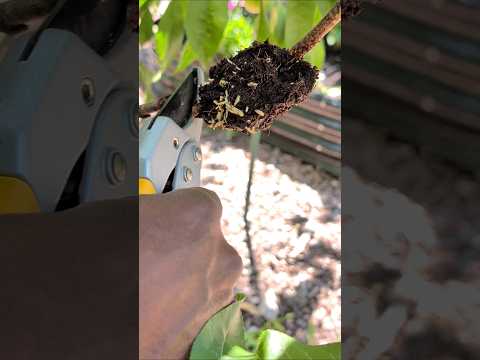
Source: Watch the original YouTube Short.
Frequently Asked Questions
Yes, many fruit trees can be successfully cloned using this method, including apples, cherries, and figs.
Typically, it takes about 4-6 weeks for roots to form, but this can vary based on the plant and environmental conditions.
Keep exploring
Ready to Try Air Layering?
Start your propagation journey today and clone your favorite fruit trees with ease!Explore More Projects
Keep growing
Suggested reading
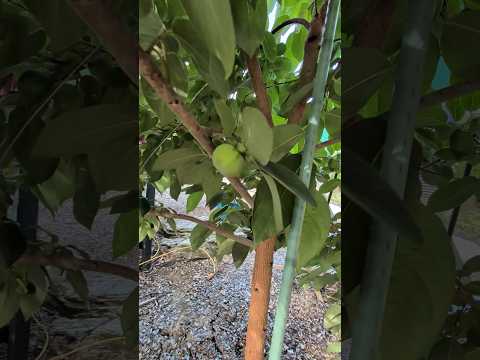
My Persimmon Tree FINALLY Produced! 👀
After three years of care, my persimmon tree has finally produced fruit! Join me as I share the journey, tips for growing persimmons, and what to expect as these fruits ripen in Connecticut.

My Backyard Tomato Factory Is Out of Control 🍅
Discover how to maximize your tomato harvest with effective trellising and care strategies. This guide covers everything from plant support to common mistakes, ensuring a bountiful yield.
0 comments
Comments (0)
We love hearing from our community. Share your thoughts, questions, or experience.
Have something to add?
Log in to post, react, share images, and join threads.
Newest First
All Comments
Showing 0-0 of 0
Start the conversation.
Questions and first-hand experience are welcome here.