
I Turned a Citrus Sucker Into a Brand-New Tree!

Discover how to transform a citrus sucker into a thriving tree through air layering. This guide provides step-by-step instructions and practical tips for successful propagation.
Introduction
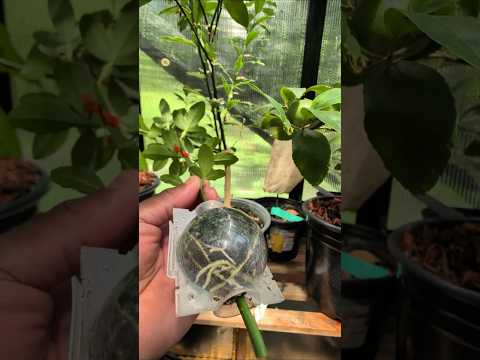
Have you ever wondered how to propagate your citrus trees? In this guide, we'll explore the fascinating process of turning a citrus sucker into a brand-new tree using air layering techniques. Not only is this method effective, but it also allows you to create a healthy rootstock that can be grafted with other citrus varieties.
Why Propagate Citrus Trees?
Propagating citrus trees can be a rewarding endeavor, especially if you want to expand your garden or share plants with friends. Suckers, which are shoots that grow from the base of the tree, can be used to create new trees. By air layering, you can ensure that the new tree will have a robust root system before separating it from the parent plant.
Steps to Air Layer a Citrus Sucker
- Select the Sucker: Choose a healthy sucker that is at least 6 inches long and has a few leaves.
- Prepare the Area: Use a sharp knife to make a circular cut around the sucker, about one-third of the way through the bark. This will help stimulate root growth.
- Apply Rooting Hormone: Dust the cut area with rooting hormone to encourage root development.
- Wrap with Moist Medium: Wrap the cut area in moist sphagnum moss or potting soil, securing it with plastic wrap. This will create a humid environment for root growth.
- Wait for Roots to Develop: Keep the moss moist and check for roots after a few weeks. Once you see healthy roots, you can proceed to the next step.
- Sever and Pot: Cut the sucker below the root ball and transplant it into a pot filled with well-draining soil.
- Care for the New Tree: Water regularly and place the new tree in a location with plenty of sunlight.
Common Mistakes to Avoid
- Choosing the Wrong Sucker: Ensure the sucker is healthy and vigorous.
- Not Using Rooting Hormone: This can slow down the rooting process.
- Neglecting Moisture: Keep the moss or soil consistently moist to promote root growth.
Maintenance and Next Steps
Once your new citrus tree is established, continue to provide it with proper care, including regular watering, fertilization, and protection from pests. As it grows, you may consider grafting another citrus variety onto the new rootstock to diversify your garden.
Conclusion
Turning a citrus sucker into a new tree through air layering is a practical and fulfilling gardening project. With a little patience and care, you can enjoy the fruits of your labor in no time!
Frequently Asked Questions
- How long does it take for roots to develop? Typically, it takes 4-6 weeks for roots to form.
- Can I air layer any type of citrus tree? Yes, most citrus varieties can be propagated using this method.
Source: Watch the original YouTube Short.
Keep exploring
Find more Junecity guides
Browse practical gardening, outdoor living, and DIY articles.Browse the blogKeep growing
Suggested reading

I Waited Almost a YEAR for This Lemon 🍋😳
After nearly a year of careful nurturing, the moment has finally arrived to harvest my Ponderosa lemon. Join me as I share the journey of growing this fragrant fruit and the joy it brings to my greenhouse.

I Wasn’t Expecting This Pear to Get THIS Big 😳🍐
Discover the secrets behind growing enormous pears in your backyard. Learn about optimal care, common mistakes, and the best practices for ensuring a fruitful harvest.
0 comments
Comments (0)
We love hearing from our community. Share your thoughts, questions, or experience.
Have something to add?
Log in to post, react, share images, and join threads.
Newest First
All Comments
Showing 0-0 of 0
Start the conversation.
Questions and first-hand experience are welcome here.