
I Waited Almost a YEAR for This Lemon 🍋😳

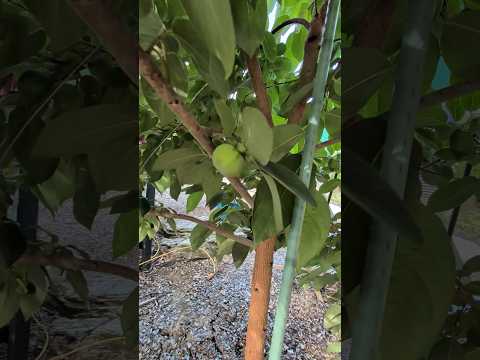
After nearly a year of careful nurturing, the moment has finally arrived to harvest my Ponderosa lemon. Join me as I share the journey of growing this fragrant fruit and the joy it brings to my greenhouse.


At a glance
Key Takeaways

Growing Citrus is Rewarding
Harvesting your own lemons brings satisfaction and freshness to your kitchen.

Proper Care is Essential
Ensure your lemon tree gets enough sunlight, water, and nutrients.

Avoid Common Mistakes
Overwatering and pest neglect are the top issues for citrus trees.
Growing your own food can be a rewarding experience, and there's nothing quite like the anticipation of waiting for a fruit tree to bear its first fruit. After almost a year of patience, I finally got to harvest my Ponderosa lemon, and the aroma was simply incredible. In this article, I'll take you through the process of caring for my lemon tree, what I learned along the way, and how you can successfully grow your own citrus plants.
Why Grow Your Own Citrus?
There are numerous benefits to growing citrus trees in your garden or greenhouse:
- Freshness: Nothing beats the taste of freshly picked lemons. When you grow your own, you have immediate access to this essential ingredient for various dishes and drinks.
- Aroma: Citrus trees fill the air with a delightful fragrance that can enhance your gardening experience. The scent of lemon blossoms is particularly enchanting.
- Health Benefits: Citrus fruits are rich in vitamin C and other nutrients, making them a healthy addition to your diet. Incorporating fresh lemons can help support your immune system and overall health.
- Self-Sufficiency: You can reduce grocery bills and enjoy organic produce by growing your own lemons. Plus, there's something incredibly satisfying about harvesting your own food.
- Learning Experience: Caring for a lemon tree can teach you valuable gardening skills, such as understanding plant needs, pest management, and seasonal care.
Caring for Your Ponderosa Lemon
Here are the essential steps to successfully grow a Ponderosa lemon tree:
1. Choosing the Right Environment
Ponderosa lemons thrive in full sun, so it's crucial to plant them where they will receive at least 8 hours of sunlight each day. A greenhouse is an excellent option as it provides a controlled environment. If you don't have a greenhouse, consider placing your tree in a south-facing spot in your yard or on a patio that gets ample sunlight.
2. Soil Requirements
Use well-draining soil for your lemon tree. A mix of potting soil and sand can work well to ensure proper drainage. Citrus trees don't like their roots to sit in water, so good drainage is key. You may also consider adding perlite or vermiculite to your soil mix to enhance drainage further. Additionally, a slightly acidic pH (around 6.0) is ideal for citrus growth, so you might want to test your soil and amend it as necessary.
3. Watering
Water your lemon tree regularly, but be careful not to overwater. Allow the top inch of soil to dry out before watering again. During the growing season, lemon trees typically require more water, especially in hot weather. A general rule of thumb is to water deeply once a week. In winter, reduce watering as the tree's growth slows down. It's also beneficial to provide a layer of mulch around the base of the tree to retain moisture and regulate soil temperature.
4. Fertilization
Feed your Ponderosa lemon tree with a balanced fertilizer during the growing season to encourage healthy growth and fruit production. Look for a fertilizer specifically formulated for citrus, as it will provide the necessary nutrients like nitrogen, phosphorus, and potassium. Apply the fertilizer according to the package instructions, typically every 4-6 weeks during the growing season. Be cautious not to over-fertilize, as this can lead to nutrient burn and damage your tree.
5. Pruning
Regular pruning will help shape your tree and remove any dead or diseased branches. This also improves air circulation and sunlight penetration. Prune your tree in late winter or early spring before new growth begins. Focus on removing any crossing branches and thinning out the canopy to allow light to reach the inner branches. Pruning not only helps maintain the tree’s shape but also promotes better fruit production by encouraging new growth.
Common Mistakes to Avoid
- Overwatering: This is one of the most common mistakes. Always check the soil moisture before watering. If the soil feels wet, hold off on watering until it dries out. Signs of overwatering include yellowing leaves and root rot.
- Pest Management: Keep an eye out for pests like aphids and scale; these can affect your tree's health. Regularly inspect your leaves and branches for any signs of infestation. If you notice pests, consider using insecticidal soap or neem oil as a natural remedy.
- Neglecting Pruning: Proper pruning is essential for a healthy tree. Neglecting to prune can lead to a crowded tree that struggles to produce fruit.
- Ignoring Temperature Changes: Lemon trees can be sensitive to temperature fluctuations. If you live in a region with cold winters, consider bringing your tree indoors or using frost cloths to protect it from freezing temperatures.
Next Steps After Harvesting
Once you harvest your lemons, here are a few things to consider:
- Store them in a cool, dry place to prolong freshness. Lemons can last for several weeks when stored properly.
- Consider using them in recipes or as fresh lemonade. Freshly squeezed lemon juice can enhance many dishes, from marinades to desserts.
- Continue to care for your tree, encouraging future growth and fruiting. After harvesting, it's a good time to assess your tree’s health and make any necessary adjustments to your care routine.
- Share your harvest! Fresh lemons make great gifts or can be used in community events or potlucks, spreading the joy of homegrown produce.
Conclusion
Growing a Ponderosa lemon tree can be a fulfilling journey, rewarding you with delicious fruit and the joy of gardening. With the right care, patience, and attention, you too can enjoy the fruits of your labor. The process may have its challenges, but the satisfaction of biting into a freshly picked lemon makes it all worthwhile. Remember to document your journey, as sharing your experiences can inspire others to embark on their own gardening adventures.
Helpful products for this project
These products were matched to the materials, tools, and care steps discussed in the article.
- Root Genie Smart Garden Fertilizing System | attachments Include Metal Pistol Grip Spray Nozzle, Fertilizer Canister and Ball Valve | Great for All Flower, Plant, Trees and Vegetables Gardens. - View Product: Consider a plants mouth the roots.
- Just Good Soil Essential Nutrient Protocol - 3-Step Soil Food System for Organic & Regenerative Gardening, Organic Plant Food & Soil Enhancer for Home Gardening - Sprout_01, Rise_02 & Replenish_03 - View Product: COMPLETE 3-STEP SOIL FOOD SYSTEM: Includes Sprout_01 Soil Life Kickstarter...
- Plant Cleaning Wipes by Southside Plants - Gentle, Plant-Based Wipes for Shiny Leaves and Better Photosynthesis - Unscented, Extra Thick Waffle Weave Leaf Wipe for Indoor & Outdoor Plants - 80 Ct - View Product: Clean Leaves for Healthy, Happy Plants & Air - Removing dust, dirt, pollution, and...
- VIVOSUN LumaLight 100W LED Grow Light, Full Spectrum Plant Light, Smart Dimmable & High PPFD for Indoor Plants Seedling Vegetables Bloom, Fits 2×2/2×4 Grow Tents - View Product: Optimized Full Spectrum: With white, blue, red and far-red LEDs (3000K, 5000K...
- 10" Meyer Lemon Seedling - Checkout: Bring fresh citrus fragrance and tropical charm to your garden with a healthy...
Source: Watch the original YouTube Short.
Keep exploring
Ready to Start Your Citrus Journey?
Explore our selection of citrus seedlings and start growing your own today!Shop NowKeep growing
Suggested reading

Get a Free Meyer Lemon Plant Shipped Right to Your Door
Discover how to receive a free Meyer lemon plant and learn essential tips for growing your own citrus tree at home.
My Persimmon Tree FINALLY Produced! 👀
After three years of care, my persimmon tree has finally produced fruit! Join me as I share the journey, tips for growing persimmons, and what to expect as these fruits ripen in Connecticut.
0 comments
Comments (0)
We love hearing from our community. Share your thoughts, questions, or experience.
Have something to add?
Log in to post, react, share images, and join threads.
Newest First
All Comments
Showing 0-0 of 0
Start the conversation.
Questions and first-hand experience are welcome here.