
Keeping My Citrus Roots Warm This Winter! 🍋❄️
Discover effective strategies to keep your citrus roots warm during the winter months, ensuring healthy growth and productivity even in colder climates.
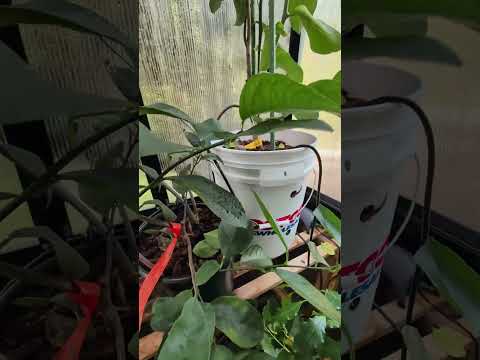

At a glance
Key Takeaways
Insulate with Foam
Wrap the base of your citrus trees with foam insulation to retain heat.

Apply Mulch
Use organic mulch to keep the soil temperature stable.

Monitor Watering
Ensure proper watering to prevent root rot during winter.
Winter can be a challenging time for gardeners, especially for those growing citrus trees in regions with harsh temperatures. As the cold sets in, it's crucial to take steps to protect the roots of your citrus plants to ensure they thrive when spring arrives. In this guide, we’ll explore practical methods to keep your citrus roots warm and healthy throughout the winter months.
Why Keeping Citrus Roots Warm Matters
Citrus trees are sensitive to cold temperatures, and their roots can suffer damage when exposed to freezing conditions. Protecting the roots helps maintain the overall health of the tree, allowing it to produce fruit in the upcoming growing season. By implementing effective insulation techniques, you can shield your citrus trees from the cold and promote robust growth.
Understanding Citrus Tree Vulnerability
Citrus trees thrive in warmer climates and are not frost-tolerant. When temperatures drop below 32°F (0°C), the roots can freeze, leading to damage that affects the tree's ability to absorb nutrients and water. This stress can manifest as wilting, leaf drop, and even tree death if not addressed. Understanding these vulnerabilities is the first step in effective winter care.
Strategies for Insulating Your Citrus Roots
- Use Foam Insulation: One of the most effective methods is to wrap the base of your citrus trees with 2-inch foam insulation. This material acts as a barrier against the cold, helping to retain heat around the roots. When using foam, ensure it is securely fastened and not in direct contact with the trunk to avoid moisture buildup that could lead to rot.
- Mulching: Apply a thick layer of mulch around the base of the tree. Organic materials like straw, wood chips, or shredded leaves can help insulate the soil, keeping it warmer. Mulching also prevents weeds, conserves moisture, and adds nutrients to the soil as it decomposes. Aim for a mulch layer of at least 3-4 inches, extending a few feet from the trunk to create a protective barrier.
- Plant Covers: Use fabric plant covers to shield your trees from frost. These covers trap heat and protect against temperature drops during the night. Choose breathable materials that allow moisture to escape, preventing mold and mildew. Ensure the covers are secured to the ground to prevent them from blowing away in the wind.
- Container Plants: If you grow citrus in pots, consider moving them indoors or to a sheltered location during the coldest months. If indoors, place them near a sunny window to ensure they receive adequate light. If moving them outside again in the spring, gradually acclimate them to avoid shock.
Preparing Your Citrus Trees for Winter
Before winter sets in, it's essential to prepare your citrus trees. Start by assessing their health and making any necessary adjustments to their care routine.
- Water Wisely: Ensure your citrus trees are properly watered before winter. However, avoid overwatering, as frozen soil can lead to root rot. Water deeply but infrequently, allowing the soil to dry slightly between waterings. This practice encourages deep root growth and resilience to temperature fluctuations.
- Fertilization: Fertilize your citrus trees with a balanced fertilizer in early fall. This helps strengthen the tree before it enters dormancy. Avoid fertilizing too late in the season, as new growth can be susceptible to frost damage.
- Pruning: Lightly prune your citrus trees in late fall to promote airflow and prevent disease during the winter months. Remove any dead or diseased branches, which can harbor pests and pathogens. Ensure your pruning tools are clean and sharp to make precise cuts.
- Monitor for Pests: Keep an eye on your trees for any signs of pests or disease, as these can weaken your plants during the stress of winter. Regularly inspect the leaves and bark for any abnormalities. If you notice any issues, treat them promptly with appropriate organic or chemical controls.
Common Mistakes in Winter Citrus Care
Even experienced gardeners can make mistakes when it comes to winter care for citrus trees. Being aware of common pitfalls can help ensure your trees stay healthy throughout the season.
- Overwatering: One of the most frequent mistakes is overwatering, especially when temperatures drop. Waterlogged soil can lead to root rot, which is often fatal for citrus trees. Always check the moisture level before watering.
- Ignoring Temperature Changes: Failing to monitor temperature fluctuations can be detrimental. Sudden warm spells can trick trees into thinking spring has arrived, prompting new growth that can be damaged by subsequent cold snaps. Keep a close eye on the weather and be prepared to cover your trees if temperatures are expected to drop.
- Not Insulating Properly: Some gardeners may underestimate the importance of insulation. Ensure that your insulation methods are adequately implemented and that they remain in place throughout the winter.
Conclusion
By taking proactive measures to keep your citrus roots warm this winter, you can help ensure a healthy and productive growing season ahead. Whether you choose to insulate with foam, apply mulch, or use plant covers, these strategies will protect your citrus trees from the cold and give them the best chance to thrive. Remember that winter care is not just about protection; it's also about preparation and monitoring to ensure your trees remain healthy.
For more gardening tips and resources, check out our blog for the latest articles and advice.
Photos from this idea
Helpful products for this project
These products were matched to the materials, tools, and care steps discussed in the article.
- Just Good Soil Essential Nutrient Protocol - 3-Step Soil Food System for Organic & Regenerative Gardening, Organic Plant Food & Soil Enhancer for Home Gardening - Sprout_01, Rise_02 & Replenish_03 - View Product: COMPLETE 3-STEP SOIL FOOD SYSTEM: Includes Sprout_01 Soil Life Kickstarter...
- Clonex Rooting Gel - High-Performance Rooting Compound for Plant Cuttings, Contains IBA, Promotes Root Initiation & Development - 100ml - View Product: HIGH-PERFORMANCE ROOTING GEL - Clonex Rooting Gel is a water-based formula with...
- Plant Cleaning Wipes by Southside Plants - Gentle, Plant-Based Wipes for Shiny Leaves and Better Photosynthesis - Unscented, Extra Thick Waffle Weave Leaf Wipe for Indoor & Outdoor Plants - 80 Ct - View Product: Clean Leaves for Healthy, Happy Plants & Air - Removing dust, dirt, pollution, and...
- BN-LINK 5-Pack 10 Gallon Grow Bags, Heavy Duty Aeration Fabric Pots with Handles, Thickened Nonwoven Plant Bags for Vegetables, Flowers, Fruits - View Product: 【Durable & Eco-Friendly Material】: Crafted from 300g BPA-free non-woven fabric...
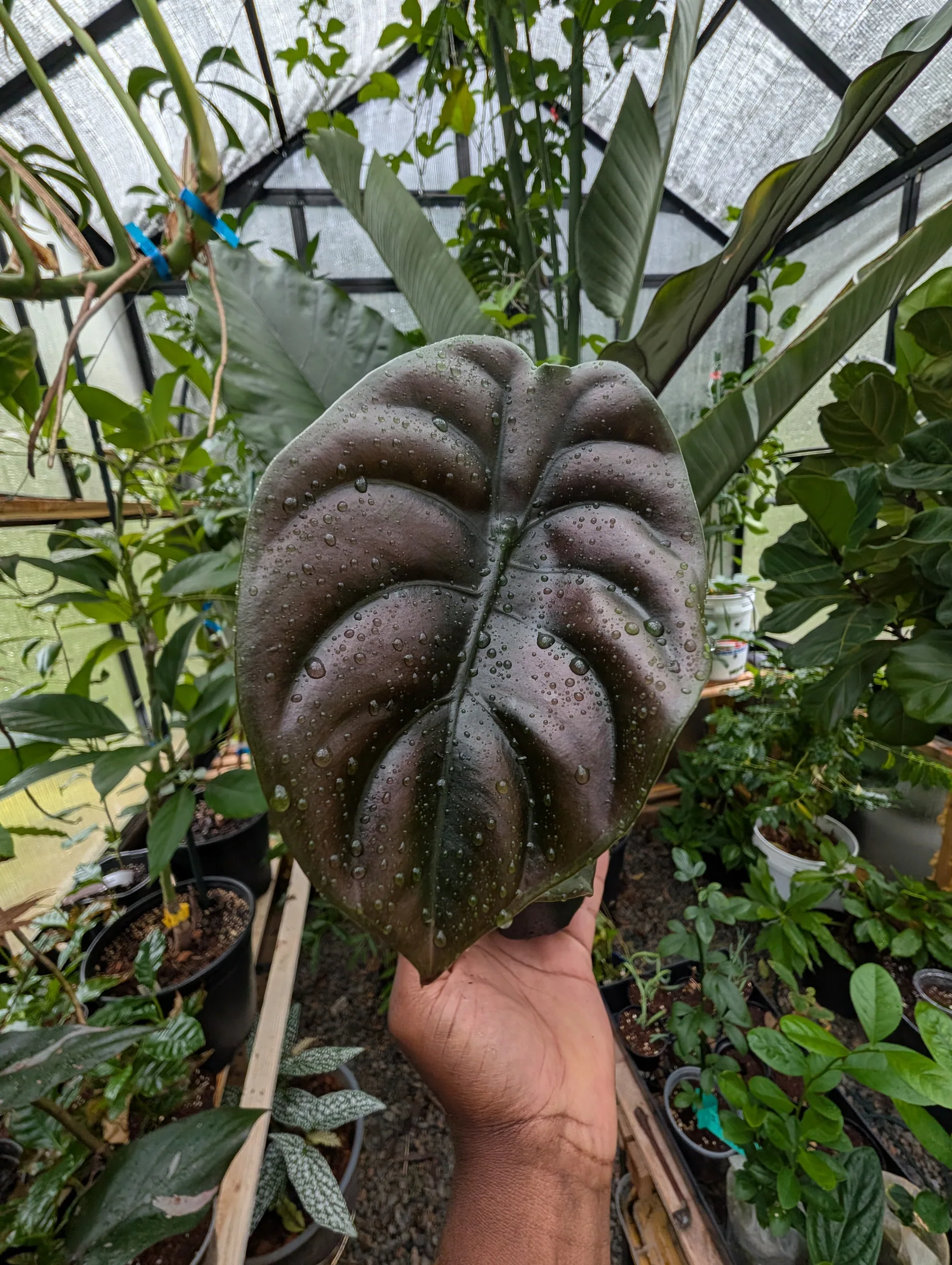
- 4" Alocasia ‘Red Secret’ – Fully Rooted Cutting - Checkout: Add bold tropical color to your collection with Alocasia ‘Red Secret’, known for...
Source: Watch the original YouTube Short.

Shop this guide
Affiliate Picks
Tools & supplies I use and recommend

As an affiliate, junecity.studio may earn from qualifying purchases at no additional cost to you.
Keep growing
Suggested reading

I’m Selling Cuttings From My Giant Golden Pothos
Explore the process of propagating and selling cuttings from your Golden Pothos. Learn tips for successful propagation, care, and how to ensure your cuttings thrive.

I’m Never Buying Garlic Again 🧄
Discover how to grow your own garlic at home and never buy it again. This guide covers everything from planting to harvesting.
0 comments
Comments (0)
We love hearing from our community. Share your thoughts, questions, or experience.
Have something to add?
Log in to post, react, share images, and join threads.
Newest First
All Comments
Showing 0-0 of 0
Start the conversation.
Questions and first-hand experience are welcome here.