
My Bird of Paradise Made a Baby!

Discover the fascinating journey of propagating a Bird of Paradise plant. Learn how to encourage new growth and care for your tropical beauty.

Bird of Paradise plants (Strelitzia reginae) are renowned for their stunning foliage and vibrant flowers that resemble the exotic birds from which they take their name. These plants can grow quite large and, with the right care, can produce pups—new plant shoots that emerge from the base of the parent plant. In this comprehensive guide, we'll delve into the exciting process of propagating your Bird of Paradise, ensuring that you can enjoy more of these striking plants in your garden or greenhouse. You'll learn about the right conditions, techniques, and tips to successfully propagate and care for these tropical beauties.
Why Propagate Your Bird of Paradise?
Propagating your Bird of Paradise not only allows you to expand your garden but also rejuvenates the parent plant, potentially leading to more blooms. Here are some compelling reasons to consider propagation:
- Increase Plant Diversity: More plants mean more beauty and the chance to experiment with different locations and arrangements in your garden.
- Share with Friends: Giving away pups to fellow gardening enthusiasts is a wonderful way to spread joy and foster community.
- Control Growth: If your Bird of Paradise is becoming too large for its space, propagating pups allows you to manage its size while still enjoying the plant.
Getting Started with Propagation
Before you embark on your propagation journey, it's essential to understand the optimal conditions for your Bird of Paradise to thrive. Here are some key considerations:
- Light: Ensure your plant receives plenty of bright, indirect sunlight. While Bird of Paradise can tolerate some direct sunlight, too much can scorch their leaves.
- Water: Water your plant regularly, allowing the top inch of soil to dry out between waterings. Overwatering can lead to root rot, so it's important to find a balance.
- Soil: Use a well-draining potting mix that retains some moisture but allows for excess water to escape. A mix designed for tropical plants often works well.
- Temperature and Humidity: Bird of Paradise thrives in warm, humid environments. Aim for temperatures between 65°F and 70°F (18°C to 21°C) during the day and slightly cooler at night. If your home is dry, consider using a humidifier or placing a tray of water near your plants.
Steps to Encourage New Pups
Once your Bird of Paradise is healthy and thriving, you can begin the propagation process. Here are detailed steps to encourage new pups:
- Observe Your Plant: Look for small pups emerging from the base of the parent plant. These will be your new plants. They typically appear as small shoots or offsets that have developed their own roots.
- Prepare Your Tools: Gather a sharp, clean knife or garden shears to separate the pup from the parent plant. Sterilizing your tools with rubbing alcohol can prevent the spread of disease.
- Cut the Pup: Carefully cut the pup from the parent plant, ensuring you include as many roots as possible. A clean cut will help the pup establish itself more quickly in its new pot.
- Potting the Pup: Place the pup in a small pot filled with fresh potting mix. Be sure to choose a pot that is slightly larger than the root ball of the pup to allow for growth. Water it lightly to settle the soil around the roots.
- Care for Your New Plant: Keep the new pup in a warm, bright location and continue to water as necessary. Avoid exposing it to direct sunlight at first, as it may be more sensitive than the parent plant.
Common Mistakes to Avoid
While propagating a Bird of Paradise can be straightforward, there are some common pitfalls to watch out for:
- Overwatering: This is one of the most common mistakes that can lead to root rot. Always let the soil dry out between waterings, especially in cooler months when the plant's growth slows.
- Insufficient Light: Without enough light, the pup may struggle to grow. If you're growing indoors, consider supplementing with grow lights during the winter months.
- Neglecting To Fertilize: Use a balanced fertilizer to support growth during the growing season. Dilute it to half strength to avoid burning the young roots.
- Ignoring Pests: Keep an eye out for common pests like aphids, spider mites, and mealybugs. Early detection is crucial for effective treatment.
- Underestimating Humidity Needs: Bird of Paradise thrives in humid conditions. If your environment is too dry, consider misting the plant or placing a humidifier nearby.
Maintenance and Next Steps
After propagating your Bird of Paradise pups, it's essential to continue caring for them properly. Here are some maintenance tips:
- Fertilizing: Apply a balanced fertilizer every few months during the growing season. Look for a fertilizer that is high in potassium to support flowering.
- Repotting: As your new plants grow, be ready to repot them into larger containers to avoid root binding. Choose a pot that is one size larger than the current one, and refresh the potting mix.
- Monitor for Pests: Regularly inspect your plants for signs of pests. If you notice any, treat them promptly with insecticidal soap or neem oil.
- Pruning: Remove any dead or yellowing leaves to promote healthy growth and improve air circulation around the plant.
- Winter Care: During the winter months, reduce watering and fertilization as the plant enters a dormant phase. Keep the plant in a warm area away from drafts.
Frequently Asked Questions
Can I propagate a Bird of Paradise from seeds?
Yes, you can propagate from seeds, but it typically takes longer and requires more specific conditions than propagating from pups. Seeds must be soaked for 24 hours before planting to enhance germination.
How long does it take for a pup to grow into a mature plant?
With proper care, it can take anywhere from 1 to 3 years for a pup to mature and start blooming. Patience is key, as these plants can take time to establish.
By following these guidelines, you can successfully propagate your Bird of Paradise plants and enjoy the satisfaction of nurturing new growth. Whether you're expanding your collection or sharing with friends, propagating these tropical beauties can be a rewarding experience. Remember to keep an eye on their specific care needs, and your efforts will surely pay off with vibrant, healthy plants.
Photos from this idea
Helpful products for this project
These products were matched to the materials, tools, and care steps discussed in the article.
- Just Good Soil Essential Nutrient Protocol - 3-Step Soil Food System for Organic & Regenerative Gardening, Organic Plant Food & Soil Enhancer for Home Gardening - Sprout_01, Rise_02 & Replenish_03 - View Product: COMPLETE 3-STEP SOIL FOOD SYSTEM: Includes Sprout_01 Soil Life Kickstarter...
- Bird Netting for Garden, 26 x 49FT Heavy Duty Anti Bird Netting Mesh with Ties and Landscape Staples for Vegetable, Fruit Trees & Other Plants, Lasting Against Birds Squirrels and Poultry, Black - View Product: HDPE Material: Different from traditional nylon and polypropylene (PP) materials...
- Just Good Soil Essential Nutrient Protocol - 3-Step Soil Food System for Organic & Regenerative Gardening, Organic Plant Food & Soil Enhancer for Home Gardening - Sprout_01, Rise_02 & Replenish_03 - View Product: COMPLETE 3-STEP SOIL FOOD SYSTEM: Includes Sprout_01 Soil Life Kickstarter...
- Neem Bliss (16 Fl Oz) - Pure Neem Oil Concentrate - 100% Cold Pressed Neem Oil - All-Natural Neem Oil Concentrate - Pure Neem Oil Extract - Unrefined Neem Oil for Hair - Neem Seed Oil Concentrate - View Product: 100% Pure Neem Oil Extract - Plantonix Neem Bliss is pure, unrefined neem oil...
- BN-LINK Durable Seedling Heat Mat for Seed Starting 10" x 20.75", Waterproof Warming Mat Plant Heating Pad for Seed Germination, Indoor Growing, Hydroponic, Greenhouse, ETL Listed - View Product: IDEAL GERMINATION TEMPERATURE: The BN-LINK seedling heat mat helps maintain...
Source: Watch the original YouTube Short.
Keep exploring
Find more Junecity guides
Browse practical gardening, outdoor living, and DIY articles.Browse the blogKeep growing
Suggested reading
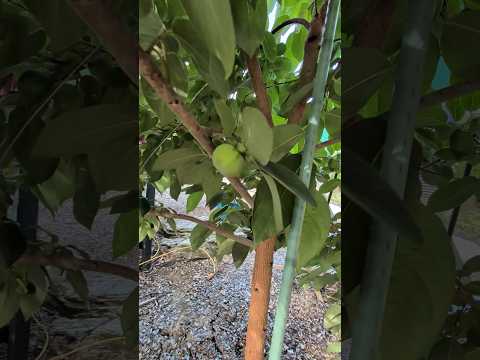
My Persimmon Tree FINALLY Produced! 👀
After three years of care, my persimmon tree has finally produced fruit! Join me as I share the journey, tips for growing persimmons, and what to expect as these fruits ripen in Connecticut.

Tomorrow Decides Who Wins the Lemon Tree 🍋
Explore the strategy behind winning a lemon tree in a competitive treasure hunt. Learn tips for caring for your own lemon plants and optimizing their growth.
0 comments
Comments (0)
We love hearing from our community. Share your thoughts, questions, or experience.
Have something to add?
Log in to post, react, share images, and join threads.
Newest First
All Comments
Showing 0-0 of 0
Start the conversation.
Questions and first-hand experience are welcome here.