
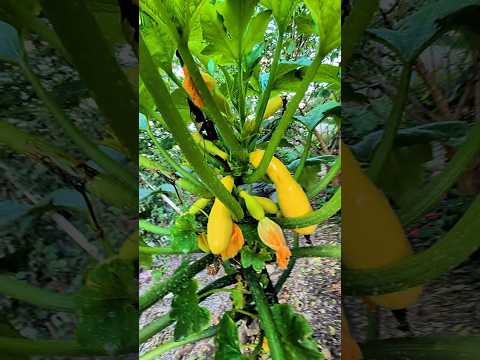
My Squash Tree Is Still Producing in October! 😳 #SquashTree #Gardening #FallGarden
Discover how to keep your squash tree thriving into the fall with effective treatments for powdery mildew and tips for maximizing your harvest before the cold sets in.
At a glance
Key Takeaways
Keep Your Squash Tree Thriving
With careful attention and management, your squash tree can continue to produce fruit into the fall.

Manage Powdery Mildew Effectively
Regular inspection and organic treatments can keep powdery mildew at bay.

Maximize Your Harvest
Prune wisely and fertilize to support ongoing fruit production.
As the leaves begin to change and the air turns crisp, many gardeners find themselves reflecting on their summer harvests and preparing for the colder months ahead. However, if you are among the fortunate few still harvesting squash from your garden, like my squash tree, you might be wondering how to keep that momentum going. In this article, we will explore effective strategies for managing your squash tree as we transition into October.
Why Is My Squash Tree Still Producing?
Squash plants, particularly varieties like zucchini and butternut, can continue to produce fruit well into the fall if the conditions are right. They thrive in warm weather and, with the right care, can be surprisingly resilient against the cooler temperatures that October brings. Factors such as soil quality, watering practices, and pest management play pivotal roles in the continued productivity of your squash tree.
Understanding Powdery Mildew
One common issue that gardeners face in late summer and fall is powdery mildew, a fungal disease that can affect squash plants. It appears as white, powdery spots on the leaves and can hinder photosynthesis, impacting fruit development. Here are some steps to effectively manage powdery mildew:
- Regular Inspection: Keep an eye on your squash tree for early signs of mildew. Early detection is crucial for effective management.
- Improve Air Circulation: Ensure your plants are spaced adequately to promote airflow, which helps reduce humidity around the leaves. Crowded plants are more susceptible to diseases.
- Fungicidal Treatments: Consider applying organic fungicides that are safe for edible plants. Regular treatments can keep mildew at bay. Look for products that contain potassium bicarbonate or neem oil.
- Homemade Solutions: A mixture of water, baking soda, and a few drops of liquid soap can be effective against mild cases of powdery mildew. Mix one tablespoon of baking soda with a gallon of water and spray it on affected leaves.
Maximizing Your Squash Harvest
With proper care, your squash tree can continue to produce until the first frost. Here are some tips to help you maximize your harvest:
1. Prune Wisely
Carefully prune any infected leaves to improve air circulation and focus the plant's energy on producing healthy fruit. Remove yellowing or damaged leaves to encourage new growth and reduce the risk of disease.
2. Fertilize Appropriately
Use a balanced fertilizer to provide essential nutrients as your squash tree continues to grow and produce. A fertilizer with equal parts nitrogen, phosphorus, and potassium (NPK) can help support overall plant health. Consider using organic options like compost or well-rotted manure for a nutrient boost.
3. Water Consistently
Maintain consistent moisture without overwatering. Deep watering encourages strong root systems and healthier plants. Aim to water your squash tree at the base rather than overhead to minimize leaf wetness and reduce the risk of fungal diseases. A drip irrigation system can be beneficial for maintaining consistent soil moisture levels.
4. Protect from Frost
As temperatures drop, consider using row covers or cloths to protect your squash tree from unexpected frosts, which can damage the fruit. You can also use cloches or plastic tunnels to create a microclimate around your plants. Be sure to remove the covers during the day to allow sunlight to reach the plants.
Common Mistakes to Avoid
“Patience pays off!”
- Ignoring Signs of Stress: Always monitor your plants for signs of stress, including wilting or yellowing leaves. Addressing these issues quickly can prevent further damage.
- Overcrowding: Ensure your squash tree has room to grow; overcrowded plants are more susceptible to disease. Follow spacing recommendations for the variety you are growing.
- Neglecting Pest Control: Keep an eye out for pests such as squash bugs and cucumber beetles that can damage your plants. Implementing integrated pest management (IPM) techniques can help control pest populations without relying solely on chemical pesticides.
Conclusion
With the right care, your squash tree can keep producing into the fall, offering you a bountiful harvest just as the weather turns. By managing powdery mildew and taking steps to protect your plants, you can enjoy fresh squash well into the cooler months. Remember, gardening is a journey, and each season brings new challenges and opportunities. Happy gardening!
Photos from this idea
Helpful products for this project
These products were matched to the materials, tools, and care steps discussed in the article.
- Just Good Soil Essential Nutrient Protocol - 3-Step Soil Food System for Organic & Regenerative Gardening, Organic Plant Food & Soil Enhancer for Home Gardening - Sprout_01, Rise_02 & Replenish_03 - View Product: COMPLETE 3-STEP SOIL FOOD SYSTEM: Includes Sprout_01 Soil Life Kickstarter...
- Plant Cleaning Wipes by Southside Plants - Gentle, Plant-Based Wipes for Shiny Leaves and Better Photosynthesis - Unscented, Extra Thick Waffle Weave Leaf Wipe for Indoor & Outdoor Plants - 80 Ct - View Product: Clean Leaves for Healthy, Happy Plants & Air - Removing dust, dirt, pollution, and...
- FANDAMEI 300 PCS Plant Support Clips, Plastic Garden Plant Ties, Tomato Clips Trellis for Tomato Cucumber Flower Squash Vine, 1” Inner Diameter for Climbing Plants - View Product: Large Quantity & High Quality Tomato Clips: Total 300 pcs plant support clips...
- BN-LINK 5-Pack 10 Gallon Grow Bags, Heavy Duty Aeration Fabric Pots with Handles, Thickened Nonwoven Plant Bags for Vegetables, Flowers, Fruits - View Product: 【Durable & Eco-Friendly Material】: Crafted from 300g BPA-free non-woven fabric...
- Neem Bliss (16 Fl Oz) - Pure Neem Oil Concentrate - 100% Cold Pressed Neem Oil - All-Natural Neem Oil Concentrate - Pure Neem Oil Extract - Unrefined Neem Oil for Hair - Neem Seed Oil Concentrate - View Product: 100% Pure Neem Oil Extract - Plantonix Neem Bliss is pure, unrefined neem oil...
Source: Watch the original YouTube Short.
Keep exploring
Explore More Gardening Tips!
Check out our other articles for more insights on plant care and gardening techniques.Read MoreKeep growing
Suggested reading

My Backyard Tomato Factory Is Out of Control 🍅
Discover how to maximize your tomato harvest with effective trellising and care strategies. This guide covers everything from plant support to common mistakes, ensuring a bountiful yield.
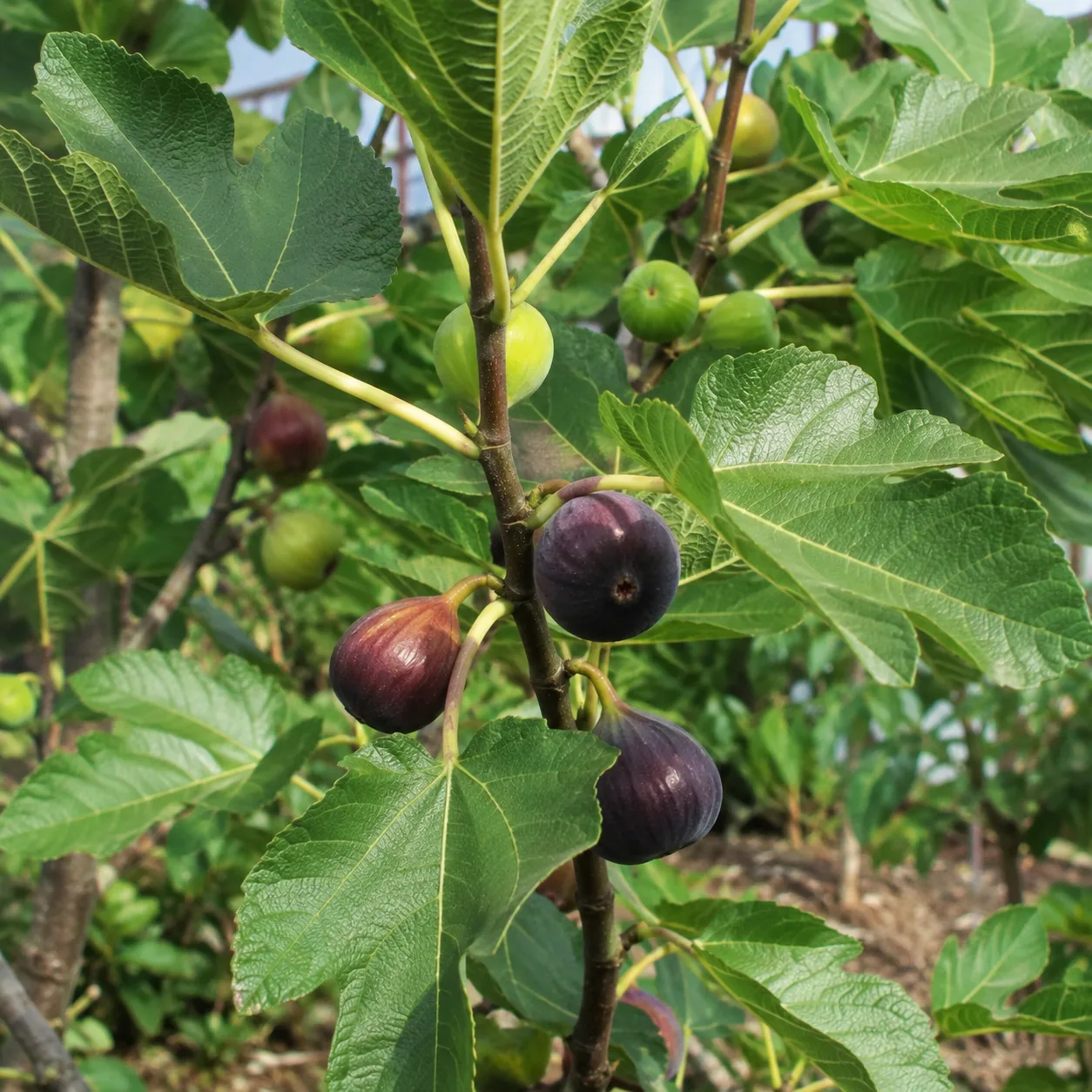
How to Grow Figs: From Planting to a Sweet Harvest
Learn how to successfully grow a healthy fig tree from planting to harvest, including watering, pruning, fertilizing, winter protection, and propagation.
0 comments
Comments (0)
We love hearing from our community. Share your thoughts, questions, or experience.
Have something to add?
Log in to post, react, share images, and join threads.
Newest First
All Comments
Showing 0-0 of 0
Start the conversation.
Questions and first-hand experience are welcome here.