
How We Protect Our Wall of Tomatoes From Disease

Discover effective strategies to safeguard your tomato plants from diseases, ensuring a healthy and bountiful harvest.

Introduction
Tomatoes are a staple in many gardens, but they are also susceptible to various diseases, especially when planted closely together. In this guide, we will explore practical methods to protect your tomato plants from disease, ensuring a thriving garden.
Why It Matters
As your tomato plants grow, the risk of disease increases, particularly in crowded conditions where airflow is restricted. Disease can spread rapidly, jeopardizing your entire crop. Implementing protective measures is essential to maintain healthy plants and a fruitful harvest.
Understanding Tomato Diseases
Common diseases that affect tomato plants include:
- Blight: Often caused by fungal pathogens, leading to wilting and decay.
- Powdery Mildew: A fungal disease that manifests as a white powdery substance on leaves.
- Fusarium Wilt: A soil-borne fungus that causes yellowing and wilting of leaves.
Recognizing these diseases early can help in taking swift action to protect your plants.
Practical Protective Measures
Here are effective steps to shield your tomato plants from disease:
- Improve Airflow: Space your plants adequately to allow air circulation. This helps prevent the growth of mold and mildew.
- Use Horticultural Oil: Regularly spray your tomato plants with horticultural oil. This can help suffocate pests and reduce the risk of disease. Be sure to follow the product directions carefully.
- Neem Oil Application: When necessary, neem oil can be applied as a natural fungicide. Again, adhere strictly to label instructions, especially concerning application during extreme heat.
- Monitor Conditions: Keep an eye on humidity and temperature levels in your garden. Excess moisture can promote disease, so watering early in the day is advisable.
Common Mistakes to Avoid
When protecting your tomatoes, it's essential to avoid these pitfalls:
- Neglecting to Space Plants: Crowded plants are more prone to disease.
- Inconsistent Treatment: Regular application of protective sprays is crucial for effectiveness.
- Ignoring Weather Conditions: Spraying during high temperatures can harm plants. Always check the forecast before treatment.
Maintenance and Next Steps
Continuously assess your plants for any signs of distress. Early intervention is key to preventing the spread of disease. If you notice any unusual symptoms, take action immediately.
Conclusion
By implementing these protective measures, you can safeguard your tomato plants from diseases and enjoy a robust harvest. Remember that vigilance and early action are your best allies in maintaining a healthy garden.
FAQs
- How often should I spray horticultural oil? It's best to spray every 2-4 weeks, depending on the severity of pest and disease pressure.
- Can I mix horticultural oil and neem oil? Avoid mixing different products unless specified by the manufacturer.
- What should I do if I notice disease on my plants? Remove affected leaves immediately and consider applying a fungicide if necessary.
Products mentioned in this video
Matched junecity.studio affiliate resources from the video context.
- MEPEREZ Premium Pruning Shears For Gardening, Work 3 Times Easier, Pruners Heady Duty, Sharp Garden Clippers Cuting Florist Flower, Hedge, Herb, Rose, Indoor Live Plants, Arthritis Weak Hand Snips - View Product: 🎁STRONG CONSTRUCTION, DURABLE, SHARP FOR A LONG TIME: Made of premium materials...
- PASAMIC 2 Gallon Battery Powered Sprayer, Rechargeable Electric Sprayer with 2 Speeds & 4 Nozzles, Battery Indicator, Retractable Wand, Adjustable Straps & Storage Bag for Lawn Garden - View Product: Powerful Motor & Long-Lasting Battery: Upgraded motor ensures strong, continuous...
Source: Watch the original YouTube Short.
Keep exploring
Find more Junecity guides
Browse practical gardening, outdoor living, and DIY articles.Browse the blogKeep growing
Suggested reading
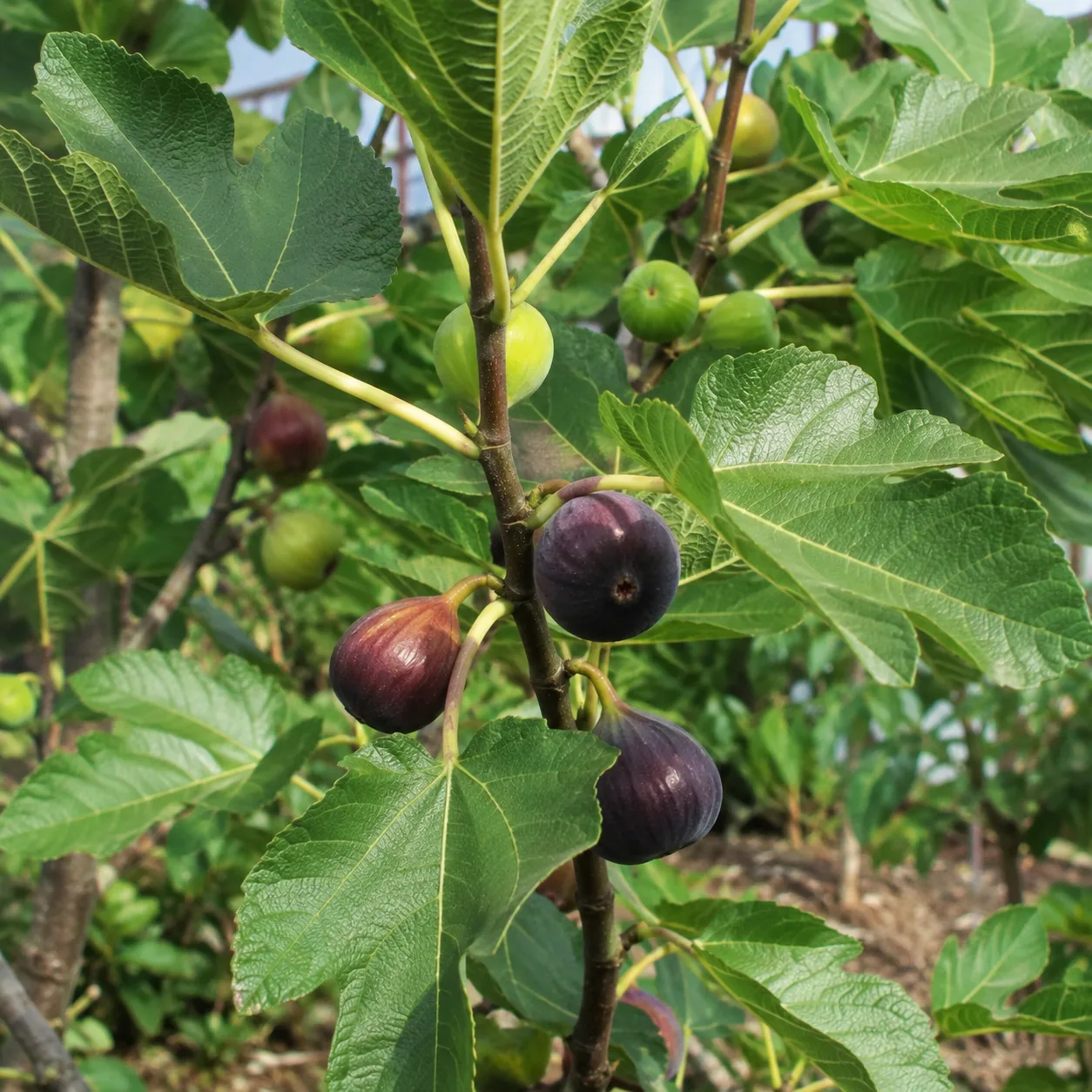
How to Grow Figs: From Planting to a Sweet Harvest
Learn how to successfully grow a healthy fig tree from planting to harvest, including watering, pruning, fertilizing, winter protection, and propagation.

These Tomatoes Are Trying to Touch the Moon! 🍅🌙
Discover how to build an impressive 8-foot tower for your climbing tomato plants and maximize your garden's yield with practical tips and tricks.
0 comments
Comments (0)
We love hearing from our community. Share your thoughts, questions, or experience.
Have something to add?
Log in to post, react, share images, and join threads.
Newest First
All Comments
Showing 0-0 of 0
Start the conversation.
Questions and first-hand experience are welcome here.