
My Chicago Hardy Fig Is Still Producing! 😳

Discover how to successfully grow Chicago Hardy figs in colder climates, including tips on care, protection from frost, and maximizing your harvest.
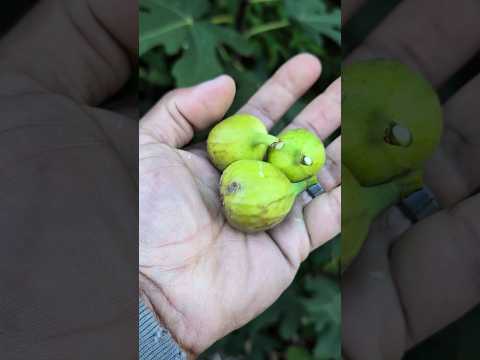

At a glance
Key Takeaways

Choosing the Right Location
Select a sunny spot for optimal growth.

Protecting from Frost
Use mulch and wrapping techniques to safeguard your tree.

Importance of Pruning
Regular pruning encourages better fruit production.
Growing figs in a colder climate may seem impossible, but the Chicago Hardy fig tree proves otherwise. This article will explore the ins and outs of cultivating this hardy variety, ensuring you can enjoy fresh figs even in regions with harsh winters.
Why Figs in Cold Climates?
Figs are often associated with warmer climates, but the Chicago Hardy fig has adapted to withstand colder temperatures. This variety is especially suitable for gardeners in USDA zones 5-10, making it a feasible option for those who might think they can’t grow figs. The key to success lies in understanding the tree's needs and how to protect it from frost.
Getting Started with Chicago Hardy Figs
Before planting your Chicago Hardy fig, consider the following:
- Location: Choose a sunny spot with well-drained soil. Figs thrive in full sun, so aim for at least 6 hours of sunlight daily. Avoid shaded areas as they can hinder fruit production.
- Soil Preparation: Amend your soil with organic matter to improve drainage and fertility. A mix of compost and well-rotted manure can work wonders. Figs prefer slightly acidic to neutral soil (pH 6.0 to 7.0), so testing your soil's pH can help you make necessary adjustments.
- Planting Time: Early spring is the best time to plant your fig tree, after the last frost has passed. This timing allows the tree to establish its roots before the hot summer months.
Care and Maintenance
Once your fig tree is in the ground, proper care is essential to ensure a bountiful harvest. Here are some tips:
Watering
Figs require consistent moisture, especially during the growing season. However, be cautious not to overwater, as figs do not like soggy roots. Water deeply once a week, allowing the soil to dry slightly between waterings. During extremely hot weather, you may need to increase the frequency of watering. Always check the soil moisture level before watering to avoid root rot.
Fertilizing
Feed your fig tree with a balanced fertilizer in early spring. A slow-release fertilizer specifically formulated for fruit trees can help promote healthy growth. Look for fertilizers high in potassium and phosphorus, as these nutrients encourage fruiting. Avoid over-fertilizing, which can lead to excessive leaf growth at the expense of fruit development.
Pruning
Pruning is crucial for maintaining the shape of your fig tree and encouraging fruit production. In late winter or early spring, remove any dead or crossing branches to improve air circulation. Thin out the center of the tree to enhance light penetration. This practice not only helps with fruit development but also reduces the risk of fungal diseases. Aim to maintain an open shape that allows good airflow around the branches.
Protecting Your Fig Tree from Frost
Even the Chicago Hardy fig may need some protection during extreme cold snaps. Here are strategies to help your tree survive:
- Mulching: Apply a thick layer of mulch (about 3-4 inches) around the base of the tree to insulate the roots. Organic mulch, such as straw or wood chips, helps retain moisture and suppress weeds.
- Wrapping: In severe winters, consider wrapping the tree with burlap or frost cloth to shield it from harsh winds and freezing temperatures. This is particularly important for younger trees that may not be as resilient.
- Moving Containers: If your fig tree is in a pot, move it indoors or to a sheltered area during particularly cold spells. Placing it against a south-facing wall can provide extra warmth.
Maximizing Your Harvest
To ensure a productive harvest, consider the following:
- Choosing the Right Varieties: While Chicago Hardy is a great option, consider planting other varieties that are also known for their cold tolerance, such as 'Brown Turkey' or 'Celeste'. This diversity can help mitigate the risk of crop failure due to unexpected weather conditions.
- Spacing: Adequate spacing between trees will promote healthy growth. Aim for at least 10-15 feet between each tree. This spacing allows for good airflow and reduces competition for nutrients.
- Patience: Figs can take a few years to start producing fruit. With proper care, you will be rewarded with a bountiful harvest. Typically, you may see your first fruits in the second or third year after planting.
Common Mistakes to Avoid
To help you navigate your fig-growing journey, here are some common mistakes to avoid:
- Overwatering: Ensure your tree is not sitting in waterlogged soil. Always check the drainage of your planting area.
- Neglecting Pruning: Regular pruning will help your fig tree produce fruit more effectively. Don’t be afraid to cut back branches; figs respond well to pruning.
- Ignoring Pests: Keep an eye out for pests like spider mites and scale. Use organic pest control methods to manage infestations. Additionally, maintain overall tree health to make it less susceptible to pests.
Conclusion
With the right care and attention, your Chicago Hardy fig tree can thrive even in colder climates. By following the tips outlined in this article, you can enjoy delicious figs straight from your backyard. Happy gardening! Remember, growing figs is not just about the fruit; it’s also about the joy of nurturing a plant and watching it flourish.
Photos from this idea
Helpful products for this project
These products were matched to the materials, tools, and care steps discussed in the article.
- Plant Covers Freeze Protection Kit, 10 x 30Ft Frost Cloth and 6Pcs Fiberglass Garden Hoops 1oz/yd² Floating Row Cover with Greenhouse Hoops Frost Blanket for Winter Garden Covers for Raised Beds - View on Amazon: 【Best Winter Plant Covers Freeze Protection Kit】This garden bed cover kit contains all gardening tools to build a...
- 4-in-1 Soil Moisture Meter Digital Plant Temperature/Soil Moisture/PH Meter/Sunlight Intensity Backlight LCD Display Soil Test Meter for Gardening, Farming and Outdoor Plants - View Product: 【4 in 1 function】This is a 4-in-1 multifunctional soil tester.Our soil tester fastly to measure soil moisture, pH,...
- Plant Cleaning Wipes by Southside Plants - Gentle, Plant-Based Wipes for Shiny Leaves and Better Photosynthesis - Unscented, Extra Thick Waffle Weave Leaf Wipe for Indoor & Outdoor Plants - 80 Ct - View Product: Clean Leaves for Healthy, Happy Plants & Air - Removing dust, dirt, pollution, and water spots from your houseplants...
- Barrina T5 Grow Lights for Indoor Plants, Full Spectrum, 2FT, 8 Packs | 80W (8 x 10W) LED Grow Light, Linkable Plant Lamp for Indoor Growing, Seed Starting, Vegetables and Greens, Pinkish White - View Product: Full Spectrum (Pinkish White Color): Barrina T5 grow lights 2ft provide indoor plants with full-spectrum sunlight...
- Just Good Soil Essential Nutrient Protocol - 3-Step Soil Food System for Organic & Regenerative Gardening, Organic Plant Food & Soil Enhancer for Home Gardening - Sprout_01, Rise_02 & Replenish_03 - View Product: COMPLETE 3-STEP SOIL FOOD SYSTEM: Includes Sprout_01 Soil Life Kickstarter, Rise_02 Liquid Garden Booster, and...
Source: Watch the original YouTube Short.
Keep exploring
Ready to Grow Your Own Figs?
Visit our projects page for more gardening tips and resources.Explore ProjectsShop this guide
Affiliate Picks
Tools & supplies I use and recommend


As an affiliate, junecity.studio may earn from qualifying purchases at no additional cost to you.
Keep growing
Suggested reading

I Waited Almost a YEAR for This Lemon 🍋😳
After nearly a year of careful nurturing, the moment has finally arrived to harvest my Ponderosa lemon. Join me as I share the journey of growing this fragrant fruit and the joy it brings to my greenhouse.
I’m Selling Cuttings From My Giant Golden Pothos
Explore the process of propagating and selling cuttings from your Golden Pothos. Learn tips for successful propagation, care, and how to ensure your cuttings thrive.
0 comments
Comments (0)
We love hearing from our community. Share your thoughts, questions, or experience.
Have something to add?
Log in to post, react, share images, and join threads.
Newest First
All Comments
Showing 0-0 of 0
Start the conversation.
Questions and first-hand experience are welcome here.