
Can This 36W Grow Light Keep My Tropical Plants Growing Through Winter?

Can a 36W SANSI grow light bulb keep your tropical plants growing through winter? I cover placement, real coverage, and honest expectations.
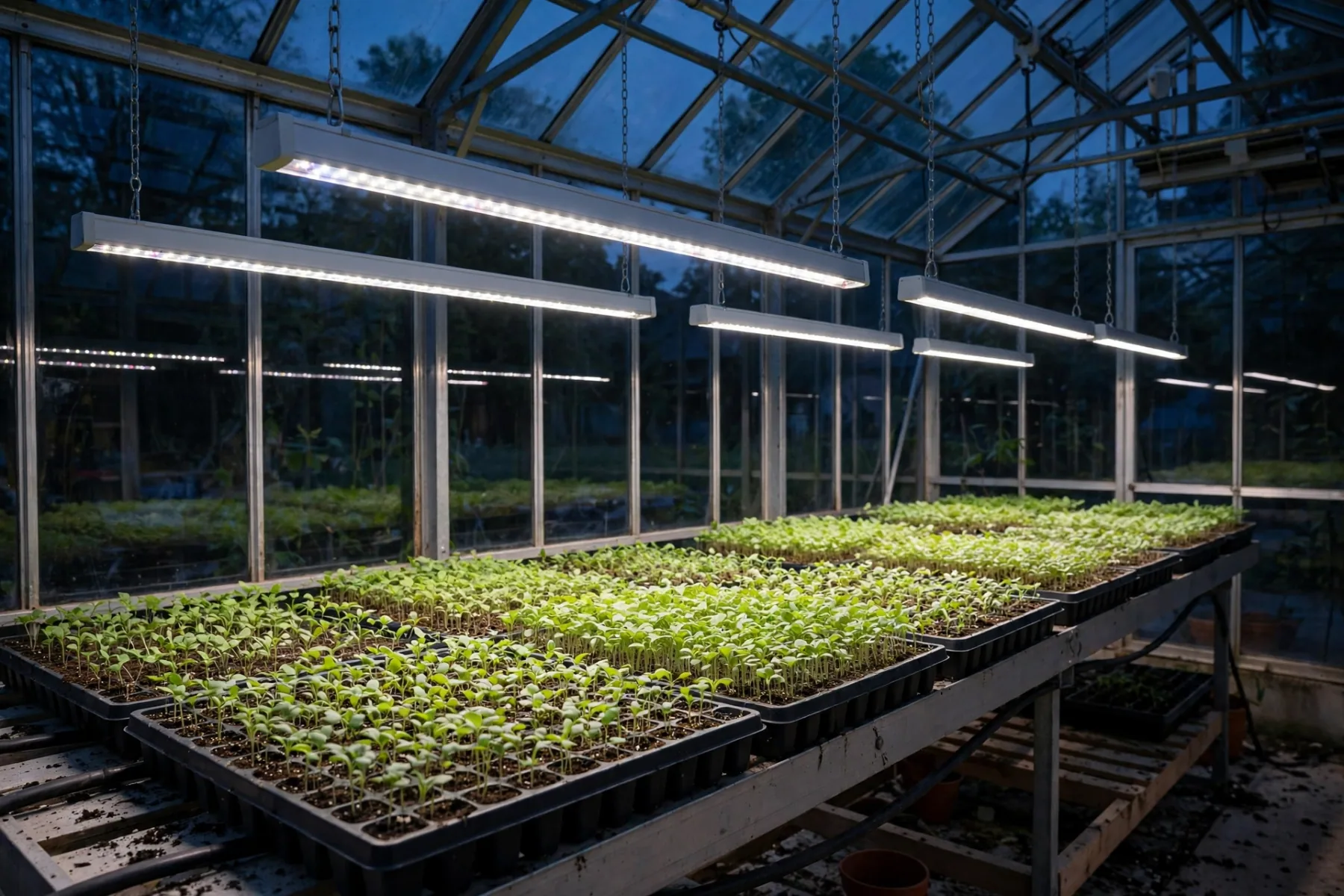
Every October I face the same problem. My tropical plants come inside for the winter, and within weeks the light falls off a cliff. A window that looked bright in July feels like a cave by November, and my plants tell me about it: stretching stems, pale leaves, growth that just stalls out.
So this year I’m adding supplemental light, and the question I keep asking myself is a simple one: can one 36-watt bulb actually keep my tropical plants growing through a Connecticut winter? The bulb I’m working with is the SANSI 36W grow light bulb. It’s a full-spectrum LED in a standard screw-in base, which is exactly why it caught my eye. No new fixture to buy, no wiring to run, just a socket and a timer. But before I hang it, I want to be straight about what a single 36-watt bulb can and can’t do.
🌱 What I use
SANSI 36W Grow Light Bulb — the full-spectrum bulb I’m hanging over my indoor tropicals this winter.
https://www.amazon.com/dp/B07BRKG7X1?tag=andreferrei04-20
What 36 watts actually buys you
Let’s be honest about the physics. Thirty-six watts is modest power. This is a spotlight, not a floodlight. One bulb can genuinely supplement a small cluster of plants sitting directly under it. It cannot light up a room, a wide windowsill, or a whole shelf of plants. If your tropicals are spread across a big area, one bulb won’t reach them all, and that’s not a failure of the bulb, it’s just math.
What 36 watts does buy you is targeted, usable light exactly where your plants need it, from something that screws into a lamp socket you already own. For a few prized plants parked in a dark corner, that’s a real upgrade over nothing.
Placement: close, direct, and on a timer
Grow light bulbs do their best work close to the canopy. I’m hanging mine roughly a foot or two above the tops of the plants, pointed straight down at them, not off to the side. Light falls off fast with distance, so a bulb three feet away is doing a fraction of the work it does at eighteen inches.
- Distance: close to the canopy, roughly 12 to 24 inches above the leaves. Watch for any sign of leaf stress and raise it if you see it.
- Coverage: think one to a few pots directly underneath the bulb, not a whole table.
- Duration: I’m running mine on a timer for about 12 to 14 hours a day, roughly matching the day length my plants would want.
- Position: directly overhead. Side light makes plants lean; overhead light keeps them compact.
What I won’t claim
Here’s the honest part. I have not run a side-by-side grow test with light meters and control groups, and I’m not going to pretend I have. I can’t give you measured numbers or promise a specific growth rate. What I can tell you is the reasoning: tropicals stall in winter mostly because light disappears, and a full-spectrum bulb parked close overhead directly addresses that problem for the plants under it. That’s the mechanism. The rest is watching your own plants and adjusting.
Setting realistic expectations
This bulb should keep my indoor tropicals from declining: less stretching, better leaf color, maybe some slow new growth through the darkest months. What it will not do is replicate July. New leaves may come slower and smaller, and that’s winter, not failure. If your goal is “my plants come out of March looking alive instead of leggy and miserable,” a bulb like this is aimed exactly at that goal.
How I’m setting mine up
My plan is simple. I’m picking my most light-hungry tropicals, the ones that sulk the hardest every winter, and grouping them under the bulb near my brightest window so the bulb supplements daylight instead of replacing it entirely. The bulb goes on a timer, and I’ll check the plants weekly. Stretching stems mean more light or a closer bulb. Pale, washed-out patches mean back it off a little. The plants will tell me what they need.
The bottom line
Can one 36W grow light bulb keep tropical plants growing through winter? For a small group of plants directly under it, with honest expectations, I believe it’s one of the simplest upgrades you can make: a screw-in bulb, a socket, and a timer. It’s not a greenhouse and it’s not the sun. But it’s a real light, aimed at real plants, through the darkest months of the year, and that’s exactly what my tropicals have been missing.
Keep exploring
Find more Junecity guides
Browse practical gardening, outdoor living, and DIY articles.Browse the blogKeep growing
Suggested reading
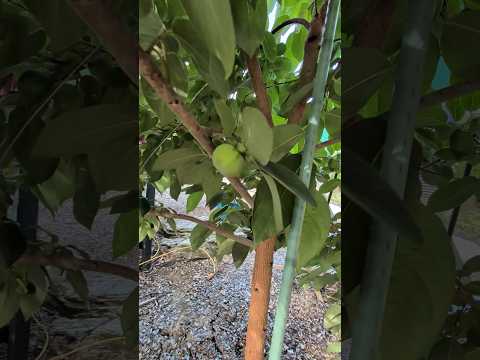
My Persimmon Tree FINALLY Produced! 👀
After three years of care, my persimmon tree has finally produced fruit! Join me as I share the journey, tips for growing persimmons, and what to expect as these fruits ripen in Connecticut.
Find the Clues. Win the Lemon Tree. 🍋
Join the Junecity.studio Treasure Hunt and learn how to care for your very own Meyer lemon seedling. Discover tips, tricks, and the best practices to grow and nurture this delightful citrus tree!
0 comments
Comments (0)
We love hearing from our community. Share your thoughts, questions, or experience.
Have something to add?
Log in to post, react, share images, and join threads.
Newest First
All Comments
Showing 0-0 of 0
Start the conversation.
Questions and first-hand experience are welcome here.