
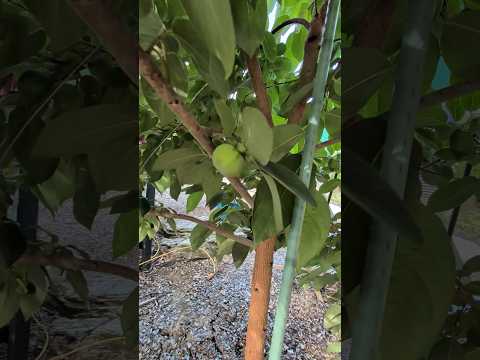
The Birds Found My Nectarines First 😤

Discover effective strategies for protecting your nectarines from hungry birds. This guide covers everything from picking techniques to preventive measures to ensure a bountiful harvest.


At a glance
Key Takeaways

Timing is Crucial
Pick nectarines as soon as they start to turn color to prevent bird damage.

Use Physical Barriers
Netting and other protective covers can deter birds effectively.

Consider Companion Planting
Certain plants can help distract birds from your nectarines.
As the summer sun warms the garden, it brings not only the promise of ripe nectarines but also the unwelcome attention of birds eager to feast on your fruit. If you've ever witnessed your hard-earned nectarines being devoured before you had a chance to enjoy them, you know how frustrating it can be. In this guide, we'll explore practical steps to protect your nectarines, ensuring that you can savor their sweetness without sharing too much with our feathered friends.
Why Protecting Your Nectarines Matters
Nectarines are a delicious addition to any backyard orchard, but their sweetness attracts birds like a magnet. Without proper protection, you risk losing your fruit before it even ripens. By implementing a few simple strategies, you can enjoy a successful harvest and keep your nectarines safe.
Key Takeaways
- Timing is Crucial: Pick nectarines as soon as they start to turn color to prevent bird damage.
- Use Physical Barriers: Netting and other protective covers can deter birds effectively.
- Consider Companion Planting: Certain plants can help distract birds from your nectarines.
Identifying the Problem
Birds can be a significant nuisance for fruit growers, particularly in the late summer when nectarines begin to ripen. They can peck holes in the fruit, making it unappetizing and unusable. Understanding which birds are causing the damage can help you decide on the best protective measures. Common culprits include robins, sparrows, and starlings, all of which are attracted to the bright colors and sweet scent of ripe nectarines. Knowing the habits and preferences of these birds can guide your protective strategy.
Steps to Protect Your Nectarines
1. Monitor Ripening Fruit
Keep a close eye on your nectarines as they start to change color. Once they begin to ripen, it's time to take action. You can even mark the trees to keep track of which fruits are nearing readiness. Regularly check for any signs of bird activity or pecking, as early intervention is key to preventing damage. If you notice birds circling your trees, it’s a signal to implement your protective measures immediately.
2. Implement Physical Barriers
Using bird netting is one of the most effective ways to protect your nectarines. Drape the netting over your trees, ensuring that it is secured at the base to prevent birds from getting underneath. This will create a physical barrier that birds cannot penetrate. Choose netting with small mesh holes to prevent birds from getting caught or trapped, as this can lead to injury or death for the birds and could also damage your tree.
3. Use Scare Tactics
Birds can be easily scared away by shiny objects or movement. Hanging reflective tape, old CDs, or even wind chimes near your trees can help deter them from approaching. These items can create visual disturbances that make birds uncomfortable. Additionally, consider using decoys, such as plastic owls or hawks, to create the illusion of a predator nearby. Move these around regularly to maintain their effectiveness, as birds can quickly adapt to stationary threats.
4. Consider Companion Planting
Some gardeners have found success in planting certain flowers or herbs near their fruit trees to distract birds. For example, sunflowers or marigolds can draw birds' attention away from your nectarines. Additionally, planting herbs such as basil or mint can create an aromatic barrier that may deter birds while attracting beneficial insects that can help pollinate your fruit trees. Make sure to choose plants that thrive in the same conditions as your nectarines to maximize the effectiveness of this strategy.
5. Harvest Early
If you notice that birds are particularly aggressive, consider harvesting your nectarines a bit earlier than usual. While they may not be fully ripe, they can continue to ripen off the tree and still be delicious. Use a gentle touch when picking to avoid bruising the fruit. Placing harvested nectarines in a cool, shaded area can help them finish ripening without the risk of bird damage. This proactive approach allows you to enjoy your nectarines without the stress of competing with hungry birds.
Common Mistakes to Avoid
1. Ignoring Early Signs
Don’t wait until you see visible damage to take action. Start monitoring as soon as the fruit begins to ripen. Early intervention is crucial for protecting your nectarines from bird damage.
2. Using Inadequate Netting
Ensure that your netting is of good quality and properly secured. A loose net can allow birds to get through. Check for holes or tears regularly, and replace any damaged sections to maintain effective protection.
3. Overlooking Surrounding Areas
Birds may be drawn to nearby trees or shrubs. Make sure to check surrounding areas for potential distractions. If neighboring gardens or trees are attracting birds, consider coordinating with your neighbors to implement bird deterrent strategies together.
Next Steps for Your Garden
After successfully protecting your nectarines, consider other aspects of your garden that may need attention. Regular maintenance, including pruning and pest control, will help ensure that your entire garden thrives. Keep an eye on soil health, as nutrient-rich soil can promote better fruit quality. Incorporate compost or organic fertilizers to enhance growth and resilience against pests.
Additionally, consider implementing a regular watering schedule that meets the needs of your nectarines. Consistent moisture is essential for healthy fruit development, especially during dry spells. Mulching around the base of your trees can also help retain soil moisture and suppress weeds, creating a more favorable environment for your nectarines to flourish.
Conclusion
Protecting your nectarines from birds doesn't have to be a daunting task. By implementing some straightforward strategies and staying vigilant, you can enjoy a fruitful harvest without the frustration of sharing your nectarines with birds. Remember to monitor your trees regularly, use appropriate barriers, and consider companion planting to create a supportive environment for your fruit trees. Happy gardening!
Photos from this idea
Helpful products for this project
These products were matched to the materials, tools, and care steps discussed in the article.
- Bird Netting for Garden, 26 x 49FT Heavy Duty Anti Bird Netting Mesh with Ties and Landscape Staples for Vegetable, Fruit Trees & Other Plants, Lasting Against Birds Squirrels and Poultry, Black - View Product: HDPE Material: Different from traditional nylon and polypropylene (PP) materials...
- Just Good Soil Essential Nutrient Protocol - 3-Step Soil Food System for Organic & Regenerative Gardening, Organic Plant Food & Soil Enhancer for Home Gardening - Sprout_01, Rise_02 & Replenish_03 - View Product: COMPLETE 3-STEP SOIL FOOD SYSTEM: Includes Sprout_01 Soil Life Kickstarter...
- Just Good Soil Essential Nutrient Protocol - 3-Step Soil Food System for Organic & Regenerative Gardening, Organic Plant Food & Soil Enhancer for Home Gardening - Sprout_01, Rise_02 & Replenish_03 - View Product: COMPLETE 3-STEP SOIL FOOD SYSTEM: Includes Sprout_01 Soil Life Kickstarter...
- NAYE Grafting Gardening Knife,2-5/8" Curved Straight Blades Garden Knife for Budding Pruning,with Grafting Tape Plant Labels/Tree Tags - View Product: Razor sharp curved/straight two blade pocket grafting knife.
Source: Watch the original YouTube Short.
Keep exploring
Ready to Protect Your Nectarines?
Explore more tips and tricks for successful gardening on our blog.Visit Our Blog
Keep growing
Suggested reading
My Persimmon Tree FINALLY Produced! 👀
After three years of care, my persimmon tree has finally produced fruit! Join me as I share the journey, tips for growing persimmons, and what to expect as these fruits ripen in Connecticut.

My 5-Foot Squash Tree Is Still Loaded!
Discover the secrets to growing a thriving squash tree that keeps producing even as the garden slows down. Learn how to maximize growth and yield while troubleshooting common issues.
0 comments
Comments (0)
We love hearing from our community. Share your thoughts, questions, or experience.
Have something to add?
Log in to post, react, share images, and join threads.
Newest First
All Comments
Showing 0-0 of 0
Start the conversation.
Questions and first-hand experience are welcome here.