
This Is Your Sign to Start a Garden

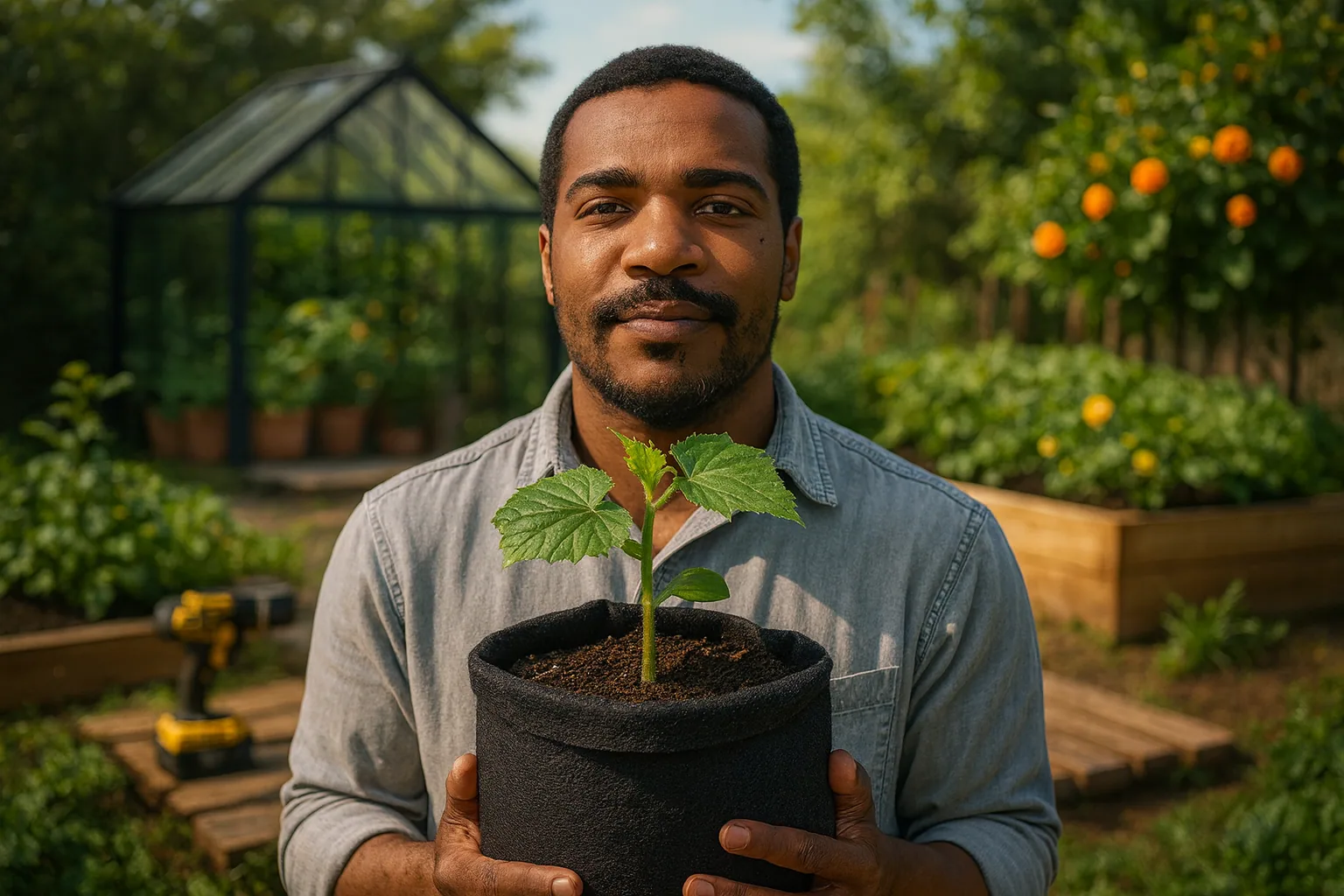
Still on the fence about starting a garden? Let this be your sign. Fresh vegetables, beautiful flowers, and the satisfaction of growing your own food—it all starts with one plant. Start today!

At a glance
Key Takeaways
Start Small
Begin with a few easy-to-grow plants to build confidence.

Choose the Right Location
Select a spot that gets plenty of sunlight for optimal growth.

Water Wisely
Monitor soil moisture and water accordingly to avoid overwatering.
Learn and Adapt
Gardening is a learning experience; don’t be afraid to make mistakes.
Gardening is not just a hobby; it’s a fulfilling journey that connects you with nature and provides fresh produce for your table. If you’ve been contemplating whether to start your own garden, consider this your sign to take the leap. In this guide, we’ll explore everything you need to know to get started, from choosing the right plants to the tools you'll need to create a thriving garden.
Why Start a Garden?
Gardening offers numerous benefits including:
- Fresh Produce: Enjoy homegrown vegetables, fruits, and herbs that taste better than store-bought. The satisfaction of harvesting your own food is unparalleled.
- Physical Activity: Gardening is a great way to get exercise while enjoying the outdoors. It can involve lifting, digging, and bending—all of which contribute to a healthier lifestyle.
- Mental Wellbeing: Spending time in nature can reduce stress and improve your mood. Gardening has been shown to have therapeutic effects, helping to alleviate anxiety and depression.
- Learning Opportunity: Gardening teaches patience, responsibility, and the science of plant growth. You’ll learn about ecosystems, soil health, and the life cycle of plants.
- Environmental Benefits: A garden can help promote biodiversity, support pollinators, and reduce your carbon footprint by growing your own food.
Choosing Your Plants
When starting a garden, it’s essential to choose plants that are suitable for your level of experience and your local climate. Here are some excellent options for beginners:
- Herbs: Basil, parsley, and cilantro are easy to grow and can enhance your cooking. They can also be grown in small spaces or even indoors.
- Vegetables: Lettuce, radishes, and tomatoes are generally forgiving for novice gardeners. Start with varieties that are known to thrive in your region.
- Flowers: Marigolds and sunflowers can brighten your garden and attract pollinators. Flowering plants can also provide a beautiful aesthetic to your garden.
- Native Plants: Consider incorporating native plants into your garden. They are adapted to your local environment and require less maintenance.
Preparing Your Garden Space
Before planting, you need to prepare your garden space:
- Select a Location: Choose a spot that receives at least 6-8 hours of sunlight a day. Most vegetables and flowers thrive in full sun.
- Clear the Area: Remove weeds, rocks, and debris from your chosen garden plot. A clean slate will give your plants the best chance to thrive.
- Test the Soil: Check pH levels and nutrient content to ensure optimal growing conditions. You can purchase a soil test kit or send a sample to a local extension service.
- Amend the Soil: Add compost or organic matter to improve soil health and fertility. Well-amended soil retains moisture and provides essential nutrients to plants.
- Decide on Garden Type: Consider whether you want a traditional in-ground garden, raised beds, or container gardening. Each type has its benefits and considerations.
Essential Tools and Materials for Gardening
Equipping yourself with the right tools can make gardening much more manageable:
- Hand Tools: A trowel, pruners, and a weeder are must-haves for any gardener. These tools help with planting, maintenance, and harvesting.
- Watering Can or Hose: Ensure your plants stay hydrated, especially in dry spells. A good watering system is crucial for plant health.
- Grow Bags: Consider using grow bags for easy mobility and drainage. They are excellent for small spaces and can be moved to optimize sunlight exposure.
- Gloves: Protect your hands from thorns, dirt, and chemicals. Gardening gloves are essential for keeping your hands safe and clean.
- Soil Test Kit: Invest in a soil test kit to monitor nutrient levels and pH. Understanding your soil composition is vital for successful gardening.
- Mulch: Using mulch can help retain soil moisture, suppress weeds, and improve soil quality over time as it breaks down.
Planting Techniques: Seeds vs. Seedlings
Deciding whether to start from seeds or seedlings can impact your gardening journey:
- Seeds: Starting from seeds is cost-effective and allows for a wider variety of plants. It can also be more satisfying to watch the plants grow from the very beginning.
- Seedlings: Purchasing seedlings can save time and effort, especially in shorter growing seasons. This is a great option for beginners who want immediate results.
- Timing: Consider the right timing for planting seeds or seedlings based on your local climate and the specific needs of the plants.
Caring for Your Garden
Once your garden is planted, ongoing care is essential:
- Watering: Regular watering is crucial, especially during dry periods. Consider using a drip irrigation system for efficiency, which delivers water directly to the roots.
- Fertilizing: Use organic fertilizers to provide nutrients throughout the growing season. Understand the specific needs of your plants to choose the right fertilizer.
- Pest Control: Monitor for pests and diseases, using organic methods whenever possible. Introduce beneficial insects like ladybugs to help control pest populations.
- Weeding: Regularly check for weeds that compete with your plants for nutrients and water. Hand-pulling or using a hoe can help keep your garden clean.
- Pruning: Prune plants to encourage growth and remove any dead or diseased branches. This helps maintain healthy plants and promotes better air circulation.
Troubleshooting Common Issues
Even the best gardeners face challenges. Here are some common issues and solutions:
- Yellowing Leaves: This could indicate overwatering or nutrient deficiency. Check your soil moisture and consider fertilizing with a balanced nutrient mix.
- Stunted Growth: Poor soil quality or insufficient light may be to blame. Test your soil and ensure plants are receiving adequate sunlight.
- Pests: Keep an eye out for common pests like aphids or slugs. Use barriers or organic pesticides to protect your plants.
- Diseases: Fungal diseases can be common. Ensure good air circulation and avoid overhead watering to prevent issues.
Conclusion: Your First Steps to Gardening Success
Starting a garden may seem daunting, but with the right approach and a bit of patience, it can be a rewarding experience. Remember to start small, learn as you go, and enjoy the process. Your garden awaits! Embrace the journey, and you’ll find joy in every step—from planting the first seed to harvesting your homegrown produce.
Photos from this idea

Helpful products for this project
These products were matched to the materials, tools, and care steps discussed in the article.
- VIVOSUN LumaLight 100W LED Grow Light, Full Spectrum Plant Light, Smart Dimmable & High PPFD for Indoor Plants Seedling Vegetables Bloom, Fits 2×2/2×4 Grow Tents - View Product: Optimized Full Spectrum: With white, blue, red and far-red LEDs (3000K, 5000K...
- BN-LINK Durable Seedling Heat Mat for Seed Starting 10" x 20.75", Waterproof Warming Mat Plant Heating Pad for Seed Germination, Indoor Growing, Hydroponic, Greenhouse, ETL Listed - View Product: IDEAL GERMINATION TEMPERATURE: The BN-LINK seedling heat mat helps maintain...
- BN-LINK 5-Pack 10 Gallon Grow Bags, Heavy Duty Aeration Fabric Pots with Handles, Thickened Nonwoven Plant Bags for Vegetables, Flowers, Fruits - View Product: 【Durable & Eco-Friendly Material】: Crafted from 300g BPA-free non-woven fabric...
- Just Good Soil Essential Nutrient Protocol - 3-Step Soil Food System for Organic & Regenerative Gardening, Organic Plant Food & Soil Enhancer for Home Gardening - Sprout_01, Rise_02 & Replenish_03 - View Product: COMPLETE 3-STEP SOIL FOOD SYSTEM: Includes Sprout_01 Soil Life Kickstarter...
- Just Good Soil Essential Nutrient Protocol - 3-Step Soil Food System for Organic & Regenerative Gardening, Organic Plant Food & Soil Enhancer for Home Gardening - Sprout_01, Rise_02 & Replenish_03 - View Product: COMPLETE 3-STEP SOIL FOOD SYSTEM: Includes Sprout_01 Soil Life Kickstarter...
Source: Watch the original YouTube Short.
Keep growing
Suggested reading
My Persimmon Tree FINALLY Produced! 👀
After three years of care, my persimmon tree has finally produced fruit! Join me as I share the journey, tips for growing persimmons, and what to expect as these fruits ripen in Connecticut.

The Garden Didn’t Get the Memo That Summer Is Over 😂🍅🌶️
Even as September rolls in, your garden keeps delivering a bountiful harvest. Discover tips for managing late-season crops and ensuring your vegetable garden thrives well into fall.
0 comments
Comments (0)
We love hearing from our community. Share your thoughts, questions, or experience.
Have something to add?
Log in to post, react, share images, and join threads.
Newest First
All Comments
Showing 0-0 of 0
Start the conversation.
Questions and first-hand experience are welcome here.