
Why Your Blueberries Aren’t Growing: The Secret Is in the Soil

Unlock the secrets to thriving blueberry bushes by understanding the critical role of soil health, pH balance, and proper care.
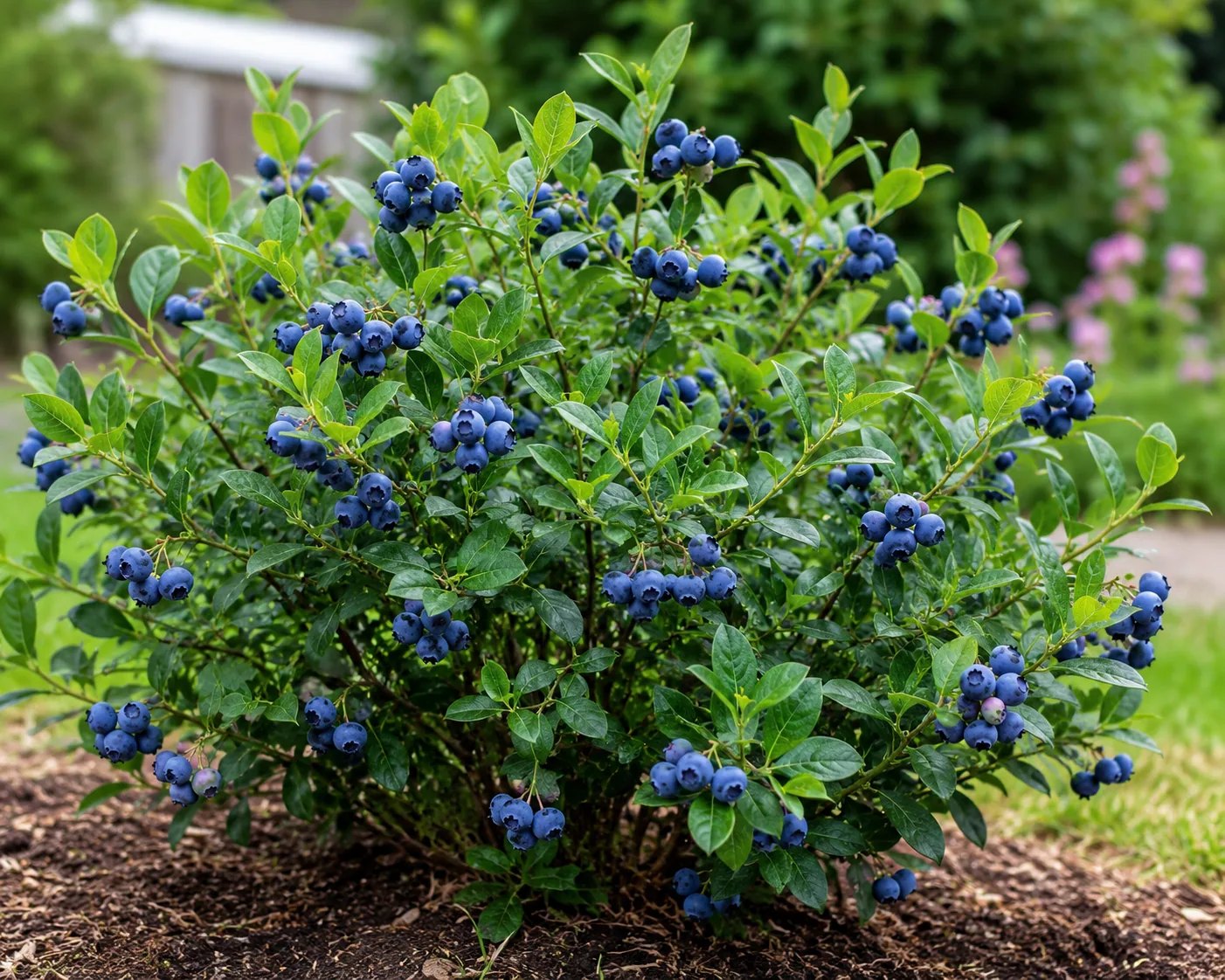

At a glance
Key Takeaways

Acidic Soil is Key
Blueberries thrive in acidic soil with a pH between 4.5 and 5.5.

Consistent Moisture
Maintain consistent moisture without waterlogging the soil.

Regular Pruning
Pruning is essential for maintaining bush health and productivity.
Understanding Blueberry Requirements
Blueberries are not just a delicious fruit; they also require specific soil conditions to thrive. Understanding their needs is the first step towards a fruitful harvest. Blueberries prefer acidic soil with a pH between 4.5 and 5.5. This acidity is crucial for nutrient absorption, particularly for iron, which is vital for healthy growth. The right soil environment can make a significant difference in the growth and yield of your blueberry plants.
Soil Composition
The ideal soil for blueberries should be well-draining yet able to retain moisture. A mix of peat moss, pine bark, and compost can create a suitable environment. This composition not only provides the necessary acidity but also ensures proper drainage. Pine bark helps to aerate the soil while also retaining moisture, which is essential for blueberries. You might also consider adding some sand or perlite to improve drainage further.
Checking Soil pH
Regularly testing your soil's pH is essential. You can use a simple soil test kit to monitor acidity levels. If the pH is too high, consider adding sulfur or acidic fertilizers to lower it. You can apply elemental sulfur, which is a slow-release option, or use ammonium sulfate for a quicker effect. Aim to retest your soil every couple of years to ensure it remains within the ideal range.
Improving Soil Structure
Beyond just pH, the texture and structure of your soil are crucial for blueberry health. Compact soil can restrict root growth, so it's essential to amend your soil with organic matter regularly. Incorporating compost not only enhances soil structure but also adds beneficial microorganisms that can aid in nutrient uptake. Mulching around your blueberry bushes with pine needles or wood chips can help maintain soil moisture and suppress weeds while also gradually acidifying the soil as it decomposes.
Watering and Drainage
Blueberries need consistent moisture, especially during the fruiting season. However, overwatering can lead to root rot. It's important to maintain a balance. A drip irrigation system can be beneficial, providing moisture directly to the roots without waterlogging the soil. Monitor the moisture levels regularly; the soil should feel moist but not soggy. If you notice wilting leaves, it may be a sign that your plants are either overwatered or underwatered.
Watering Techniques
When watering, aim for deep, infrequent watering rather than shallow, frequent watering. This encourages the roots to grow deeper into the soil, making your plants more resilient. During dry spells, blueberries may require more frequent watering—up to 1-2 inches of water per week is ideal. Use mulch to help retain soil moisture and reduce the need for frequent watering.
Fertilizing Your Blueberries
Using the right fertilizer can enhance growth and fruit production. Organic fertilizers that are high in nitrogen are ideal for blueberries. Look for products specifically formulated for acid-loving plants. These fertilizers often contain ammonium sulfate or other nitrogen sources that help maintain the soil's acidity.
Feeding Schedule
- Early Spring: Apply fertilizer just before new growth starts. This jumpstarts the plants as they come out of dormancy.
- Late Spring: A second application can help support fruit development. This is especially important as the berries begin to form.
- Fall: A light feeding can help prepare the plants for winter. Avoid heavy fertilization late in the season, as it may encourage new growth that could be damaged by frost.
Signs of Nutrient Deficiency
Be on the lookout for signs of nutrient deficiencies, such as yellowing leaves, which can indicate a lack of nitrogen or iron. If you suspect a deficiency, consider conducting a soil test to determine the specific nutrients your soil may be lacking. Adjust your fertilization practices accordingly and ensure that you are providing balanced nutrition throughout the growing season.
Pruning Techniques
Pruning is essential for maintaining the health and productivity of blueberry bushes. Aim to remove any dead or weak branches in late winter to promote better air circulation and sunlight exposure. This practice encourages new growth and increases fruit yield. Pruning also helps to shape the plant, making it easier to harvest the fruit.
How to Prune Blueberries
Begin by removing any branches that are dead, damaged, or crossing over each other. This will help to open up the center of the bush and allow sunlight to penetrate. Next, focus on thinning out some of the older branches. Blueberries produce fruit on wood that is one to three years old, so removing older wood will encourage new growth. Aim to keep the bush open and airy, which reduces the risk of fungal diseases.
Timing Your Pruning
Late winter to early spring is the best time for pruning, just before the buds begin to swell. Avoid pruning in the fall, as this can stimulate new growth that may not harden off before winter. Regular pruning not only enhances the overall health of the bush but also leads to larger fruit and better yields in the following seasons.
Pollination Factors
Blueberries are self-pollinating, but planting multiple varieties can enhance fruit set and increase yields. Ensure that your garden has a mix of blueberries for optimal cross-pollination. Different varieties bloom at various times, so selecting varieties that flower simultaneously will maximize your harvest.
Attracting Pollinators
To further improve pollination, consider planting flowers nearby that attract bees and other pollinators. Lavender, bee balm, and other flowering plants can create a pollinator-friendly environment that boosts blueberry production. Be mindful of using pesticides, as they can harm beneficial insects. Opt for organic pest control methods whenever possible to protect your pollinators.
Common Mistakes to Avoid
- Ignoring Soil Quality: Always test and amend your soil before planting. Neglecting soil quality can lead to poor growth and low yields.
- Overwatering: Ensure proper drainage to prevent root diseases. Stagnant water can lead to root rot, which is detrimental to blueberry plants.
- Insufficient Pruning: Regular pruning is vital for maintaining bush health and productivity. Failing to prune can result in overcrowded branches and lower fruit quality.
Conclusion
Growing healthy blueberry bushes requires understanding their specific environmental needs, especially regarding soil health. By focusing on pH balance, proper watering, and fertilization, you can ensure a bountiful harvest of sweet blueberries. With patience and proper care, your blueberry bushes will thrive, providing delicious fruit for years to come.
Keep exploring
Ready to Grow Your Blueberries?
Explore our range of products designed to help you cultivate a thriving blueberry garden.Shop Now
Keep growing
Suggested reading
This Peach Had No Business Being This Good 🍑😳
Discover the delightful journey of growing peaches in your home garden. Learn the tips and tricks to cultivate the sweetest peaches that will elevate your gardening experience.

Find the Clues. Win the Lemon Tree. 🍋
Join the Junecity.studio Treasure Hunt and learn how to care for your very own Meyer lemon seedling. Discover tips, tricks, and the best practices to grow and nurture this delightful citrus tree!
0 comments
Comments (0)
We love hearing from our community. Share your thoughts, questions, or experience.
Have something to add?
Log in to post, react, share images, and join threads.
Newest First
All Comments
Showing 0-0 of 0
Start the conversation.
Questions and first-hand experience are welcome here.